Sky Sports F1 Schedule: Bahrain And Saudi Arabia GPs To Be Cancelled Amid Middle East War

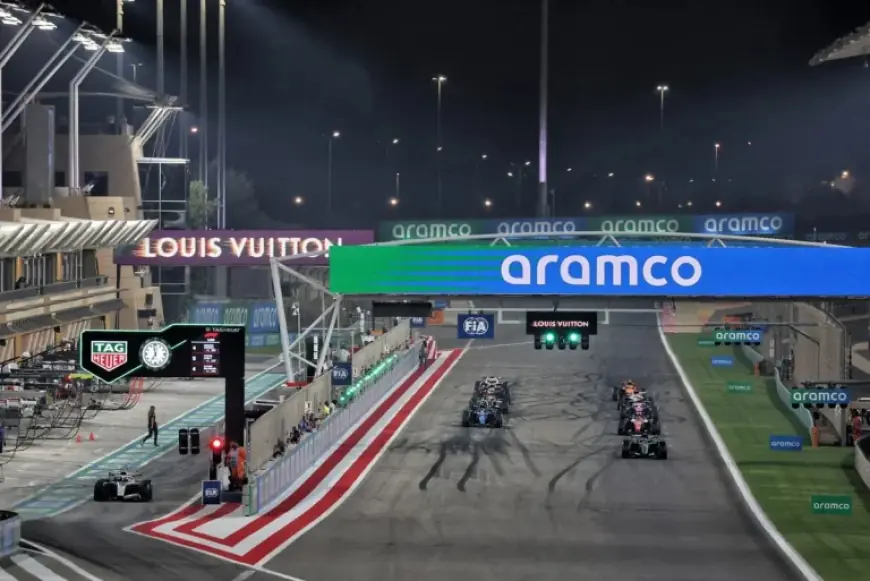
The Sky Sports F1 Schedule shows a major disruption: the Bahrain and Saudi Arabia Grands Prix that were scheduled for next month are set to be cancelled because of the war in the Middle East, and a formal decision is expected before the end of the weekend. The cancellations would reduce the season to 22 races and leave a prolonged gap in the calendar.
Why The Races Are Being Called Off
Organisers concluded that holding the two Gulf rounds would put personnel at unacceptable risk while the conflict between US/Israel and Iran continues. Freight would need to start moving to the region within days, and with no sign of de-escalation the logistical and safety calculus tipped toward cancellation.
Officials judged the venues too risky to stage major events: the capital of Bahrain, Manama, has already been struck by missiles, and Jeddah is similarly considered unsafe. The context of past attacks adds to the concern — Iranian-backed Houti rebels in Yemen struck an oil facility near the Jeddah track four years ago — reinforcing the view that running the races now would endanger staff and competitors.
Impact On The Sky Sports F1 Schedule And The 2026 Season
If cancelled, the two Gulf events will not be replaced, meaning the 2026 season will drop from 24 to 22 Grands Prix. The decision will create a lengthy pause in on-track action: the season will now have a multi-week break between the Japanese Grand Prix on March 29 and the Miami round on May 3, leaving teams and personnel without race activity for several weeks.
Organisers examined alternative venues — Portimao in Portugal, Imola in Italy and Istanbul Park in Turkey were considered — but determined that there was insufficient time to organise new events and little prospect of securing meaningful hosting fees. Proposals such as a double-header in Japan were also examined but judged impractical for logistical reasons.
The financial consequences are significant. Bahrain and Saudi Arabia are among the highest-paying races on the calendar, and their loss will cost the sport more than £100m in hosting fees. That shortfall will be distributed across the sport, with teams and commercial stakeholders each taking multi-million-pound hits depending on prize money allocation. Some costs will be offset by slightly reduced travel and event expenses from skipping two rounds, but the overall commercial impact remains material.
Planning has moved toward accepting an extended break in the season. It was agreed that if the Gulf races could not safely proceed, the most viable option was to pause the calendar rather than attempt last-minute replacements that would deliver little financial or logistical benefit.
At present, Bahrain had been scheduled in April with the Bahrain race listed for 12 April and Jeddah the following weekend. A formal announcement on the cancellations is expected before the end of the coming weekend, after which the revised calendar and immediate next steps for teams and broadcasters will be clarified.
Teams, organisers and commercial partners will now prepare for the revised running order of the season and the financial adjustments that follow the removal of two high-value rounds from the calendar.