White Noise Sleep Aids Face New Scrutiny as Research Flags Possible Downsides

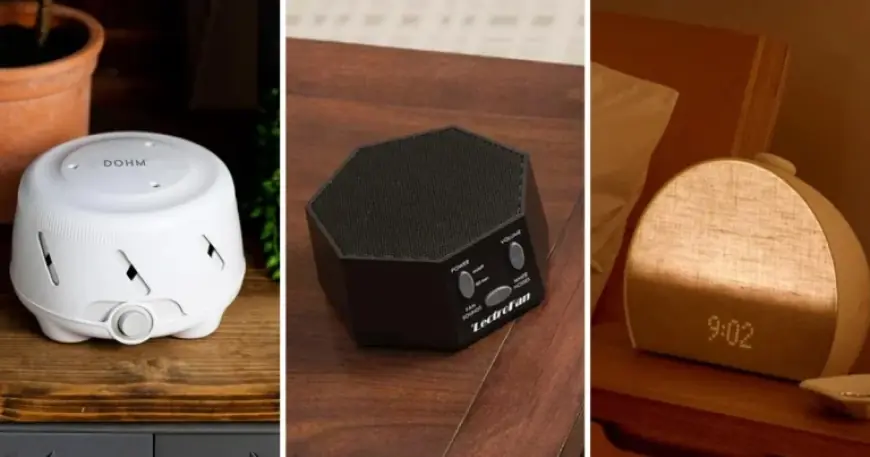
white noise is widely used to help people fall asleep and stay asleep, but new research and recent expert discussion are sharpening warnings that constant background sound may not be as harmless—or as helpful—as many assume.
What The Latest Research Is Warning About
A recent study highlighted in coverage of sleep research warned that continuously using sounds to fall asleep may reduce overall sleep quality. In a laboratory setting, researchers monitored the sleep of 25 healthy adults under different sound conditions, alternating between earplugs and environmental sounds such as airplane noise and pink noise.
The study’s results ran counter to common expectations: the use of background sound increased light sleep but drastically reduced REM sleep. REM sleep was described as the deepest stage of rest and as essential for brain development, memory formation, and emotional regulation.
The researchers acknowledged key limits: the study involved a small group, and the sound levels were somewhat higher than what people typically use at home. Even with those caveats, the authors urged caution about the widespread habit of running sound machines continuously throughout the night.
In parallel, an analysis framed the issue as a broader “trial” for sleep aids, suggesting that if people are trying to drown out city noise by playing white noise at night, the approach may aggravate the problem rather than solve it. That same discussion emphasized that a new, thorough study—though limited in duration—points to potential drawbacks when noise is used as an overnight solution.
Why People Use White Noise And How It’s Supposed To Work
Sound machines and apps have become a common tool for people who struggle with sleep, and the market for these products has grown sharply. Their appeal is straightforward: constant sound is intended to help people fall asleep and avoid being woken by sudden environmental disruptions, such as car horns or loud trucks.
Several mechanisms are often discussed for why this might help. One idea is that constant sound can feel inherently lulling or hypnotic—similar to the belief that rain sounds promote sleep. Another is masking: when a room is quiet, a sudden outside noise can seem much louder by contrast, but a steady background sound can shrink that difference and potentially reduce awakenings.
There is also the concept of conditioning. In that view, the sound itself isn’t inherently sleep-promoting; instead, using it consistently before bed trains the brain to associate the noise with sleep, turning it into a cue to relax.
Recent discussion has also distinguished between “colors” of noise. White noise is described as having the same loudness across all frequencies, making it even and aggressive. Pink noise is described as more intense in the bass region and less intense at higher pitches, with a character likened to a waterfall—booming and more natural than the artificiality of white noise.
Practical Takeaways As Guidance Shifts
Even as the research prompts caution, some sleep experts still describe scenarios where a white noise machine may help—particularly for people kept awake by environmental sounds. One sleep scientist said that if someone has difficulty sleeping because of various sounds, whether constant or sporadic, a white noise machine may help smooth out that noise.
At the same time, the study warning about overnight background sound put particular emphasis on the risks of using these devices continuously. In that account, earplugs were presented as a clearly superior option for protecting rest when the issue is environmental noise from the street or neighbors.
The findings also raised concerns in parenting, where sound machines are often used to soothe newborns. An auditory neuroscientist compared continuous exposure to a blank, static-like stimulus to an experience that contributes nothing to development, arguing that caution is warranted in how long children are exposed to constant sound overnight.
For families looking to reduce reliance on overnight background audio, the same discussion pointed to passive measures such as thick blackout curtains—which block light and absorb some outside noise—and improving a room’s sound insulation as alternatives to running sound machines all night.
With research still limited in scale and conditions varying widely from real homes, the debate is likely to continue. For now, the newest findings are pushing the conversation beyond whether white noise helps people nod off—and toward what it may be doing to sleep stages over the course of a full night.