Twisted Yoga Review — A Wild Exposé Of A Tantric Sex Cult

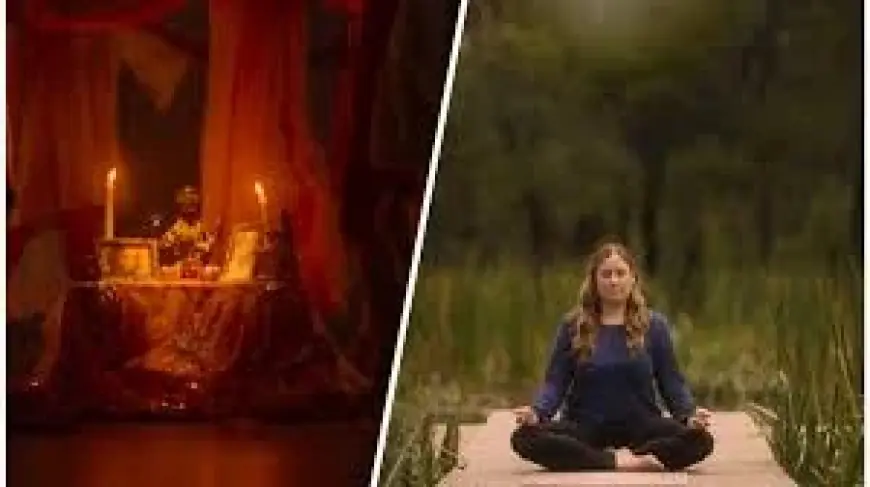
Twisted Yoga is a three-part documentary that follows women who say they were drawn into a tantric yoga movement promising spiritual growth and community, only to encounter manipulation, sexual initiation and exploitation. The series centers survivors’ accounts and explores how seekers of wellbeing became entangled in practices framed as spiritual rites.
What Twisted Yoga Shows
The documentary depicts a chain of events participants describe as surreal and disturbing: invitations to an exclusive retreat referred to as “the villa, ” scenes set in a grim building in Romania where women cavort in micro-bikinis and take part in mass orgies, and ritualized behavior that includes drinking each other’s urine. Viewers are shown journeys from studio openings in London to meetings with a spiritual leader in Paris, and then transport to apartments where women say they were expected to engage in hours-long sexual encounters with an elderly man presented as a form of “transfiguration. “
Survivors’ Accounts And The Psychological Picture
The series follows former members from across Europe who describe being attracted to tantra for guidance, community and spiritual purpose. One subject, identified as Ashleigh, is described as an Australian who moved to London in her 20s, reconnected with a friend and joined a studio that specialized in tantra. Participants describe tantra in terms of communion and an “extreme expansion of the field of consciousness, ” language the film uses to show why seekers found the movement compelling.
Some interviewees recount being told they were manipulated by demons when they resisted sexual advances, and others describe taking part in a so-called “sexual initiation” with the movement’s founder, Gregorian Bivolaru. One contributor says she was later taken to Prague to work unpaid on a camgirl site while being told she was saving clients’ souls by connecting them to a higher sexual energy. The filmmakers present these experiences as psychological—the series’ creative choice was to place survivors’ subjective journeys at the center so viewers can understand how intelligent, articulate people became immersed in the belief system.
Legal Status, Filmmaking Choices And Why The Series Matters
The legal case around the yoga organization is described as still unfolding. Gregorian Bivolaru, identified in the film as the movement’s founder and referred to by members as “the guru, ” is currently in custody while French authorities investigate whether there is enough evidence to bring the case to trial under a law that addresses coercive control of a group. The inquiry is characterized in the documentary as legally complex and difficult to prosecute.
Director Rowan Deacon frames the project less as a conventional true-crime investigation and more as an exploration of how psychological dynamics and the search for spiritual improvement left people vulnerable to exploitation. Executive producer Suzanne Lavery and the contributors worked to translate survivors’ experiences to the screen, with the filmmakers aiming to avoid judgment and instead foster empathy for those who were drawn in.
The series presents a broader cautionary picture: that the promise of evolution, love and community can be manipulated into a system that exploits desire for self-improvement. With the legal process unresolved, the documentary serves both as testimony from former members and as a journalistic intervention while questions about accountability remain open.