Is Netanyahu Dead: Israel Faces Political Test As Hopes Of Regime Change In Iran Fade

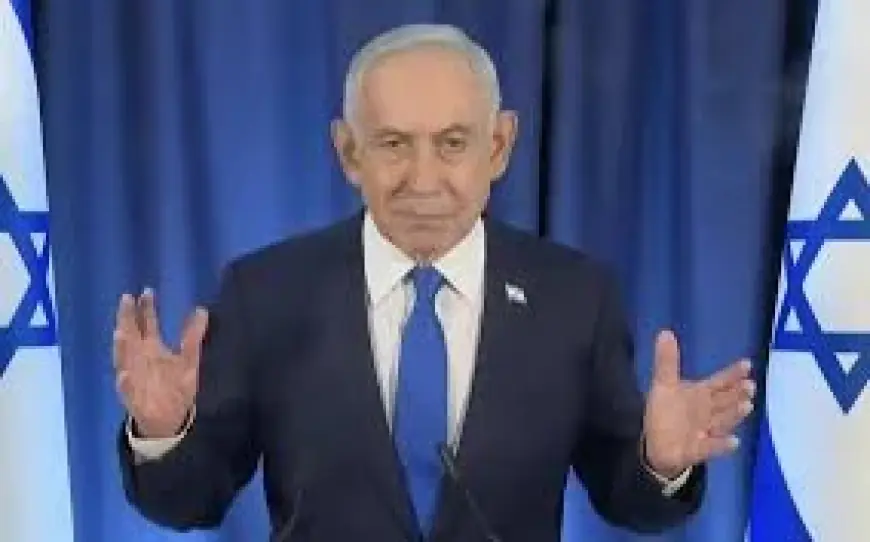
is netanyahu dead has become a charged search in the wake of shifting expectations over the Israel–Iran war, as Israel’s premier confronts political scrutiny at home after signaling the conflict may finish without toppling Tehran’s leadership. The recalibration follows a campaign of strikes and dramatic regional fallout that many senior figures now describe as having altered the balance of power in the Middle East.
Is Netanyahu Dead? The Question and Political Stakes
The phrase raising alarm in public discourse reflects deeper uncertainty about the prime minister’s immediate political standing. He had long cast the conflict as essential to Israel’s survival and has framed the campaign as a decisive confrontation with Iran; that rhetorical posture is now colliding with signs that regime change in Tehran may no longer be the likely outcome. Political opponents and supporters alike are parsing whether the campaign’s gains — military and diplomatic — are sufficient to sustain domestic backing if the Iranian government remains intact.
How Leaders Describe the Campaign and Its Outcomes
The prime minister has described the bombing campaign as having already shifted the balance of power in Israel’s favor, saying the Middle East is not the same after the operations. Military leaders have used similarly existential language, calling the actions an effort to secure the country’s future. Former security advisers and analysts have characterized the campaign as an opportunity to change regional dynamics, though some now acknowledge the war may conclude while Iran’s regime endures.
At the same time, the conflict has seen deliberate high-level strikes that struck at Iran’s leadership. An air strike that assassinated Iran’s Supreme Leader, Ayatollah Ali Khamanei, and public appeals by Israel’s leader for Iranians to rise up have been cited by officials as pivotal moments. Even so, the prime minister has signaled the possibility that the war could end without Tehran’s removal, prompting debate over how long the strategic advantages will last absent regime change.
Regional Fallout: Mines, Strikes and Casualties
The wider theater of the conflict has seen consequential moves beyond aerial strikes. US officials have said Iran began laying mines in the Strait of Hormuz, a passage that accounts for a substantial share of global oil shipments, and the closure of parts of the waterway has been linked with sharp increases in oil prices. Military warnings and exchanges have produced injuries on Israeli territory; emergency services report two people were hurt in the country’s north, including a 34-year-old woman hospitalized with shrapnel wounds.
Violence has also impacted partners and third-party forces in the region. A French soldier was confirmed killed in an attack in Erbil, in Iraq’s autonomous Kurdistan region, and other coalition troops were reported wounded in related incidents. These developments have been cited by officials as part of the broader turbulence tied to the campaign and its aftermath.
What Comes Next: Political Tests and Uncertain Durability
With the most visible objective of regime change now less certain, the prime minister faces a central political question over whether narratives of victory and altered regional balance will sustain support. Military spokespeople have emphasized that significant damage was done to Iran’s weapons and infrastructure, describing some effects as permanent and others as semi-permanent. Yet the central strategic debate for Israel is whether those effects will prevent future threats or simply delay them.
is netanyahu dead remains a resonant search phrase amid these debates, but the confirmed developments in hand are concrete: major strikes that have reshaped military calculations, disruption of critical shipping lanes, and casualties across the region. Political consequences at home will hinge on how long the electorate and allied governments judge those outcomes sufficient without the overthrow of Tehran’s leadership. Observers warn that the next steps — diplomatic pressure, economic strains, and potential further military action — will determine whether the present equilibrium endures or gives way to renewed confrontation.
For now, the trajectory is defined by what leaders have chosen to emphasize: claims of strategic change even as the prospect of regime change fades, and a mounting political test for the government tasked with selling those results to a wary public.