Aurora Borealis Forecast Across 9 U.S. States Tonight Triggers Wide Northern Lights Watch

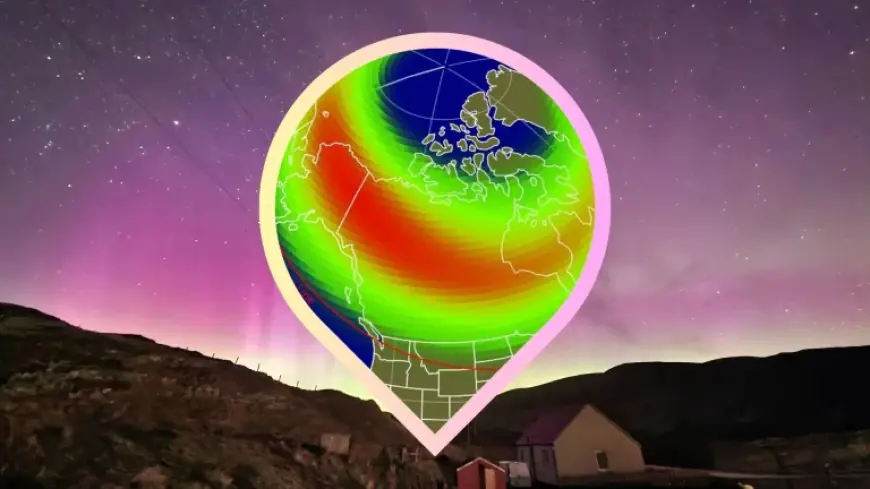
The aurora borealis forecast is putting a broad slice of the northern U. S. on alert tonight and tomorrow as a fast-moving stream of solar wind is expected to pass Earth, a setup that could make the northern lights visible from Alaska to Maine if conditions line up.
Auroras Possible Tonight and Tomorrow as Fast Solar Wind Stream Arrives
A high-speed solar wind stream is due to arrive tonight, with the potential to trigger minor (G1) geomagnetic storm conditions. The most likely window for storm activity is March 13–14, with elevated geomagnetic conditions potentially lingering into March 15 while the solar wind continues to buffet Earth’s magnetic field.
Forecasters caution that visibility is never guaranteed: auroras can be difficult to spot and highly sensitive to real-time changes. Forecast maps can shift, and even strong outlooks can fizzle if key ingredients fail to align.
Aurora Borealis Forecast: Where the View Line Reaches in the U. S. and Beyond
Based on the latest aurora forecast map, nine U. S. states appear fully or partially above the possible aurora view line. The outlook also extends beyond the U. S., with potential visibility across high-latitude regions including Alaska, northern Canada, northern Scotland, and northern Scandinavia.
Within that range, forecasters describe the best chances as tonight and Saturday night, when the solar wind stream is expected to be strongest. Activity may remain somewhat elevated into Sunday before gradually easing.
At the same time, the forecast comes with an important caveat: if conditions strengthen, the northern lights could reach farther south than expected. If conditions do not align, there may be no meaningful display even within areas favored by the forecast.
Timing and Viewing Conditions: When to Look and What Could Change
Clear skies remain a key factor, and timing will matter. With skies cooperating, viewers can begin looking for auroras as soon as it gets dark. Geomagnetic activity is forecast to become elevated around 11: 00 am ET and remain elevated into the night, creating the potential for nighttime viewing as darkness returns.
The outlook is most focused on March 13–14, with the possibility of elevated conditions lasting into March 15. That longer tail can be helpful for viewers who miss the first night, but it also underscores how dynamic the situation can be across successive evenings.
For anyone planning to watch, the best approach is to treat the forecast as a moving target: the view line can shift north or south, and the intensity can rise or fall quickly. The aurora borealis forecast sets the stage, but the final result depends on how the incoming solar wind interacts with Earth’s magnetic field overnight.