Love Story’s ‘Obsession’ vs. Lisa DePaulo: What John F Kennedy Jr Depiction Reveals

Episode 7, titled “Obsession, ” and former staffer Lisa DePaulo’s recollections both center on john f kennedy jr and his marriage to Carolyn Bessette. The comparison answers one question: how do the show’s creative choices on tone, cast focus and omissions line up with a colleague’s memories of him and the people closest to the couple?
Lisa DePaulo on John F Kennedy Jr: a colleague’s memory of tone and company
Lisa DePaulo, who worked with John F Kennedy Jr at his magazine, says the man she knew differs from the show’s figure, noting voice and manner changes in the series. She describes fear around relentless media attention, recalls the couple returning from a honeymoon JFK airport, and names friends who were present during illness and social gatherings. DePaulo emphasizes the warmth Carolyn offered to Anthony Radziwill, and she flags how certain friendships played out in real life rather than as presented on screen.
Love Story’s “Obsession” portrayal of Carolyn Bessette and John
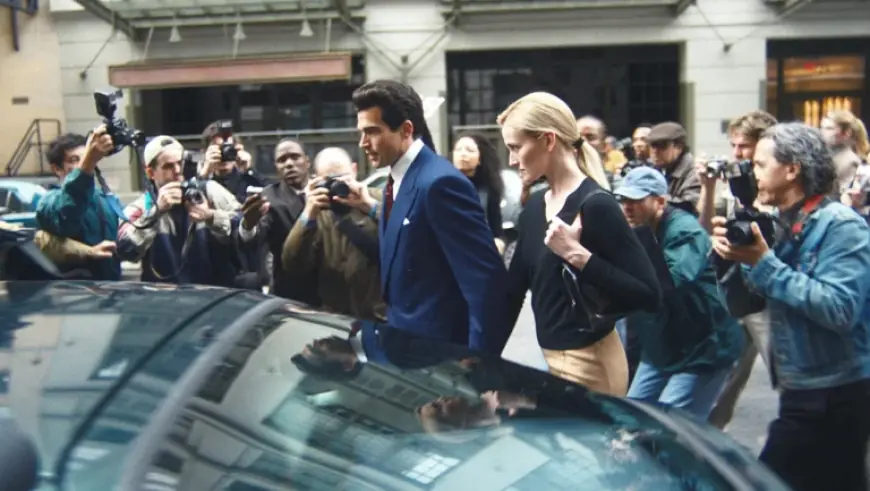
The episode frames its story through paparazzi pursuit and a tabloid-style obsession with Carolyn, staging scenes of a town car return from JFK airport and a honeymoon in Turkey. The show shifts John’s voice and manner—DePaulo says he looks and sounds less like the John she knew, and she notices changes in effeminacy and speech. The episode also dramatizes a relentless press chase, echoes a Princess Diana comparison and advances plot beats around Anthony Radziwill’s illness while omitting some real-world presences.
Where Love Story and Lisa DePaulo diverge on Carole Radziwill and Anthony Radziwill
Both the episode and DePaulo address Anthony Radziwill’s illness and Carolyn’s friendship with him, but they diverge sharply on who appears at his bedside. DePaulo highlights that Carole Radziwill, Anthony’s wife and one of Carolyn’s best friends, was a constant companion, yet the episode leaves Carole glaringly absent. That absence shifts screen focus away from a real-life figure DePaulo calls “a real character, ” and it alters the social texture around Anthony’s decline and the wedding party scenes at Caroline’s apartment.
Analysis: The series concentrates narrative tension on the couple and the glare of the press, while DePaulo’s recollection insists on a broader social cast and different emotional balances. The same criterion—presence and portrayal of key people—shows the show compressing or excising figures DePaulo treats as central.
Each side offers consistent facts about the same incidents: a honeymoon, a return through JFK airport, and Anthony Radziwill’s cancer returning. Yet the show adds stylized choices about John’s voice and Carolyn’s public exposure, while DePaulo stresses relational realities off camera. Applying the same standard of “who is shown and how” reveals the show’s priority of heightened drama over including every real-world character.
Analysis: Omitting Carole Radziwill during scenes of Anthony’s sickness tilts the viewer’s emotional reference points. Where DePaulo sees an intimate circle and a devoted spouse, the episode replaces that texture with a narrower gaze on Carolyn and John, and on the tabloid frenzy that follows them.
Finding: Placing Episode 7’s dramatization next to Lisa DePaulo’s memories establishes that the series favors compressed storytelling and sensational framing over the fuller social detail a colleague preserves. The next confirmed test of this finding is the episode that follows “Obsession”; DePaulo asked whether next week will show bedside scenes and the presence of missing figures. If the series continues to exclude Carole Radziwill while keeping the press-driven narrative center stage, the comparison suggests the adaptation consciously sacrifices supporting real-life characters to streamline its drama.