Deni Avdija Treatment Debate In Portland Sparks Pressure On Scoot Henderson’s Role

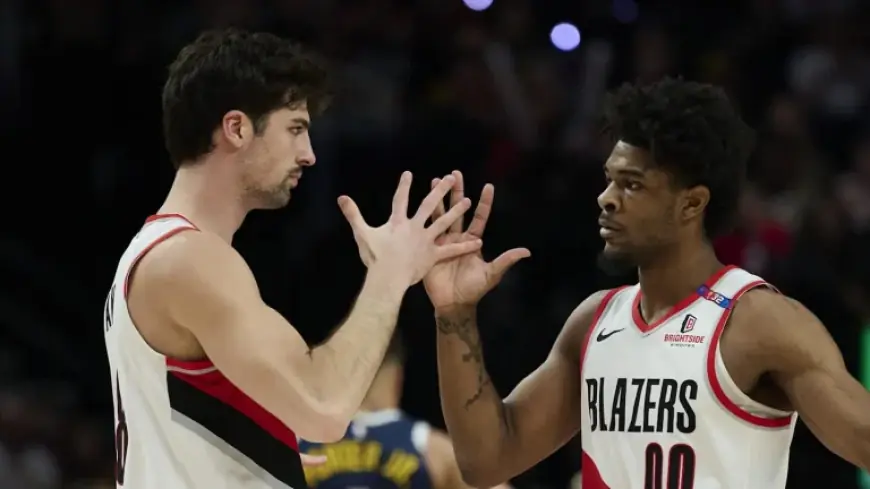
deni avdija has become the reference point for a widening debate about development standards in Portland, as scrutiny intensifies around Scoot Henderson’s third-season performance and the Trail Blazers’ approach to young players who are central to their rebuilding plans.
Why Deni Avdija Is Now Central To The Scoot Conversation
The discussion has been framed around what one outlet described as a double standard in how the Trail Blazers have developed Deni Avdija and Henderson. Both have been described as key to Portland reaching its “rebuilding ceiling, ” but the leeway they receive—particularly around turnovers—has not been treated the same.
Avdija has been portrayed as having an “ultimate leash, ” tied to a deliberate long-term approach while he embraces a more point-forward role. The argument is that the team has been willing to live with mistakes as part of a broader developmental plan. The immediate question posed in that analysis: why the same luxury has not been extended to Henderson, a former No. 3 overall pick.
That contrast has landed at a moment when Henderson’s role is being evaluated under more complicated conditions, including changes in leadership and pressure surrounding the franchise’s direction.
Turnovers, Efficiency, And A Shorter Rope For Henderson
Henderson’s turnover issues have been cited as a lingering problem since he entered the league. In his third year, one analysis noted he still averages 2. 8 turnovers per game. That has carried added weight because the team has been described as leading the league in turnovers at 17. 2 per game.
At the same time, the critique has not been limited to ball security. A separate report described Henderson as 12 games into his 2025-26 season after missing the first half due to a hamstring tear suffered right before training camp. With Tiago Splitter “now in charge, ” that story characterized the system as unfamiliar, adding that his recent stretch has not looked good since becoming Splitter’s choice starter.
With Deni Avdija and Shaedon Sharpe sidelined, Henderson has been described as struggling to adapt to an expanded opportunity. In one cited example, he played 20 minutes in a game against the Houston Rockets, made one field goal, and was described as largely non-existent throughout the game despite starting. The same account said the decision to start him appeared to backfire.
A third account laid out a statistical snapshot of his current-season sample: 11. 7 points, 4. 3 assists, and 2. 8 rebounds per game while shooting 36% from the field and 23. 4% from three-point range. That report noted the health caveat of him regaining speed after the hamstring tear, while also stating that inefficiency had been present in the two seasons before the injury.
Coaching Stakes And The Development Model Portland Chose
The “Deni Avdija treatment” argument hinges on the idea that Portland has already shown it can prioritize development over immediate results. Chauncey Billups was cited as giving Avdija a long developmental runway last season, including tolerating high-turnover games as part of learning to playmake more aggressively.
That approach was presented as a template: patience, meaningful in-game reps, and the willingness to accept mistakes while a player expands his responsibilities. One analysis said the approach “clearly worked, ” then questioned why it could not be applied similarly with Henderson.
Coaching context, however, has been portrayed as different now. Splitter has been described as auditioning for a long-term head coaching role, with the front office also facing pressure tied to whether incoming owner Tom Dundon might “clean house. ” In that environment, the margin for prolonged struggles may feel thinner, even if development remains the stated priority.
Rotation decisions have become part of the story. One report said Splitter has even started Kris Murray over Henderson at times, and that Portland has not centered the offense around Henderson even with key teammates sidelined—feeding questions about whether the organization is fully committed to handing him a larger share of responsibility.
What Changes Next As Portland Weighs Its Rebuild Priorities
In public commentary referenced in one report, Bill Simmons urged patience and argued against giving up on Henderson too quickly, while Zach Lowe countered with skepticism focused on results, saying, “It would be nice if more of the signs went into the basket. ” Elsewhere, a more measured evaluation suggested the discussion is shifting away from draft-position expectations and toward what Henderson earns through performance and minutes.
For Portland, the immediate tension is clear in the framing across the coverage: Avdija has been treated as a long-game project with room to fail forward, while Henderson’s struggles—turnovers, shooting, and inconsistent impact—have been met with a more complicated mix of opportunity and restraint.
What is known from the current reporting is that Henderson’s third season has not produced the clean breakthrough some expected, even as injuries and lineup changes have created openings. Whether Portland chooses to apply more of the Deni Avdija development model to Henderson—or tightens the rotation further—remains unsettled in the available accounts, but the pressure around that choice is now out in the open.