Tesla Model Y vs. Rivian R2: price, range, and utility diverge

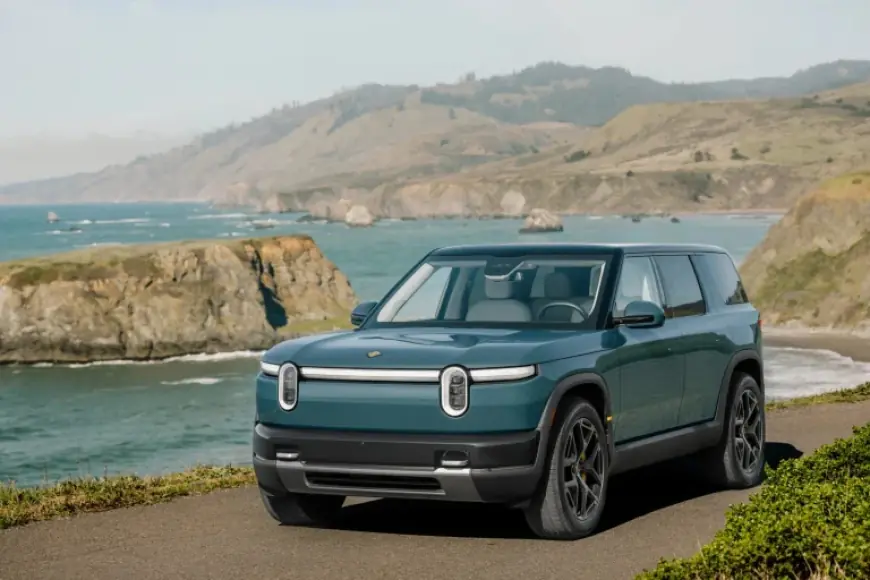
Rivian has finally put hard numbers on the R2, a smaller and cheaper alternative to its R1S, and the comparison with the tesla model y now turns on what Rivian chose to emphasize: off-road geometry, interior utility, and multiple range claims across trims. What does placing the R2’s specific specs and trim roadmap beside the tesla model y framing reveal about how Rivian is trying to compete for mainstream EV buyers?
Rivian R2: SXSW reveal, trim pricing, and a deliberate “subtraction” design
Rivian presented the R2 on Thursday morning at SXSW in Austin, Texas, positioning it as a more attainable take on the brand’s adventure-focused R1S. The base Standard trim is listed at $48, 490 and is described as available in 2027. The higher-end Performance trim with Launch Package is listed at $57, 990, with deliveries described as beginning this spring.
Jeff Hammond, Rivian’s head of design, described the R2’s philosophy as “subtraction, ” aimed at removing features without making the vehicle read as a cheaper version of the R1. In physical footprint, Rivian described the R2 as a mid-sized vehicle at 185. 9 inches long with a 115. 6-inch wheelbase, and nearly 2, 000 pounds lighter than the R1. Rivian also leaned heavily on off-road readiness: 9. 6 inches of ground clearance, a 25-degree approach angle, and a 26-degree departure angle.
On power and range, Rivian highlighted multiple targets. The Performance trim is described at 656 horsepower and up to 330 miles of EPA-estimated range, along with 0–60 in 3. 6 seconds. The Standard RWD Long Range is described as topping the range chart at an estimated 345 miles. Rivian also stated the R2 can charge on Tesla’s Supercharger network, with a 10% to 80% charge achievable in about 29 minutes.
Tesla Model Y: the benchmark reference Rivian targets through charging access
Within the R2’s reveal, Tesla enters the story in one concrete way: Rivian says the R2 can use Tesla’s Supercharger network. In the context of Rivian’s pitch, that charging compatibility functions as a competitive bridge between a Rivian positioned for “adventure-hungry buyers” and a more broadly established EV ecosystem.
Beyond that charging detail, the available context does not provide specifications, pricing, dimensions, or range figures for the Tesla Model Y itself. That limitation matters for the comparison: Rivian’s R2 reveal supplies a dense set of measurable claims, while Tesla is present as infrastructure and a market reference point rather than a spec-for-spec opponent in the same dataset.
Even so, the decision to foreground Supercharger access alongside detailed performance and utility numbers clarifies what Rivian appears to view as table stakes when it invites shoppers to weigh the R2 against the Tesla Model Y: convenience of charging, and a broad sense of usability beyond daily commuting.
Tesla Model Y vs. Rivian R2: how Rivian competes on utility, not just miles
Rivian’s R2 presentation stacks up its competitive argument through three parallel pillars: attainable pricing relative to its own lineup, concrete capability numbers, and cabin-and-cargo flexibility. By contrast, the Tesla side of the comparison in this context is narrower, anchored by the Supercharger network and the implied role of Tesla as the market target Rivian is “targeting. ” The result is a comparison where Rivian supplies the measurable product story and Tesla supplies the ecosystem advantage.
| Comparison point | Rivian R2 (confirmed in context) | Tesla Model Y (confirmed in context) |
|---|---|---|
| Charging network | Can charge on Tesla’s Supercharger network | Supercharger network referenced as the network in question |
| Base price | $48, 490 (Standard trim) | Not stated |
| Higher trim price | $57, 990 (Performance trim with Launch Package) | Not stated |
| Range claims | Up to 330 miles (Performance); 345 miles (Standard RWD Long Range) | Not stated |
| Utility and cargo | 5. 2-cubic-foot front trunk; 79. 4 cubic-feet cargo with seats folded; rear seats fold flat; drop-down rear glass (on Performance and Premium) | Not stated |
| Off-road geometry | 9. 6 inches ground clearance; 25-degree approach; 26-degree departure | Not stated |
Analysis: Because the context includes extensive R2 figures but no Tesla Model Y specifications, the most defensible “apples-to-apples” comparison available here is strategic rather than numerical. Rivian is attempting to neutralize a core Tesla advantage by advertising Supercharger access, then differentiate with adventure-ready geometry and packaging details like a 5. 2-cubic-foot front trunk, a 79. 4-cubic-foot maximum cargo area, and a flat-folding rear seat setup designed for sleeping.
That divergence reveals a clear product bet. Rivian is not framing the R2 as only a range-and-price contest; it is framing it as a vehicle built around how people use space and access gear, while still promising mainstream charging convenience. The R2’s trim roadmap reinforces that bet: a Standard trim described as arriving in 2027, and a pricier Performance Launch Package described as beginning deliveries this spring.
The comparison establishes one finding: Rivian’s R2 pitch targets Tesla’s ecosystem strength through Supercharger compatibility, then tries to win on specialized utility and off-road readiness that it quantifies in detail. The next confirmed test of that claim is the start of Performance deliveries this spring. If early buyers validate Rivian’s utility-focused choices while Supercharger access works as promised, the comparison suggests Rivian can compete with the tesla model y on convenience while differentiating on capability and cargo-first design.