Ira Bernstein sentencing and a Dateline episode highlight unresolved disputes over a second plot

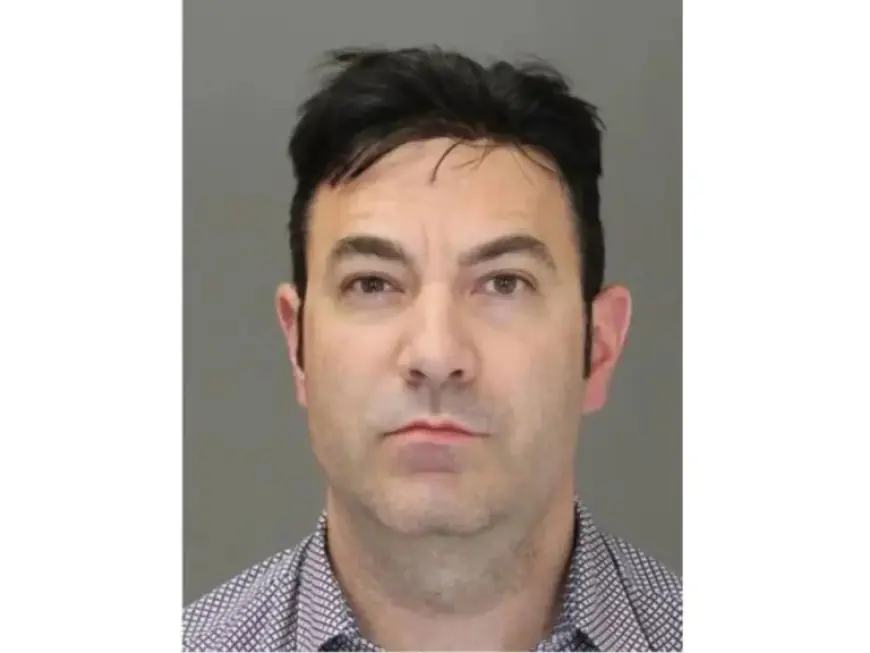
ira bernstein is the subject of a televised episode set to revisit a Rockland County murder-for-hire case while he simultaneously returns to prison on an evidence-tampering conviction. The record described in the context shows a recurring theme: prosecutors and a court describe a second alleged attempt to arrange his former wife’s killing, while Ira Bernstein publicly denies that he solicited harm even as he pleaded guilty to tampering with physical evidence.
Ira Bernstein, Kelly Gribeluk, and the “Take Two” broadcast promotion
A program titled “Take Two, ” Andrea Canning, is scheduled to air Friday, March 13 at 9: 00 p. m. ET. The episode description centers on a Rockland County case involving wealthy podiatrist Ira Bernstein and his girlfriend, Kelly Gribeluk, who were accused of plotting to hire a hit man to kill Bernstein’s wife, Susan Bernstein. The context states that they were arrested after the would-be assassin alerted police, and hidden cameras captured the deal that led to guilty pleas and prison.
That promotional framing includes a key claim that underscores why the case continues to draw attention: it describes “a shocking new chapter after their release, ” and says that one of them allegedly attempted to revive the murder plot again. The show is also described as including interviews with Bernstein and Gribeluk, along with police detectives and witnesses.
Still, the context also draws a line between a broadcast tease and formal case descriptions. The Rockland County District Attorney’s office is cited as stating there were two murder plots, dating years apart. That public position provides the spine of the narrative, yet it also sets up a tension that becomes harder to ignore once the sentencing details are placed alongside the promotional language: the latest court outcome is not described as a conviction for soliciting murder, but for tampering with physical evidence.
Rockland County charges and sentencing: prison time for evidence tampering
The context describes a first phase of the case as proceeding through the criminal courts years ago. In 2016, Ramapo police arrested Bernstein and charged him with conspiring to murder his wife. Bernstein pleaded guilty in 2017 and received a sentence of between five and 15 years in state prison, with release in 2021. Gribeluk, also charged, entered a guilty plea and received a prison sentence as well.
A second phase is described as occurring later. Prosecutors are stated to have said the second murder plot happened in 2022, and that Bernstein again sought to hire someone to kill Susan Bernstein. The most recent sentencing described in the context is tied to that later episode: earlier this month, Ira Bernstein, now 51, of Montebello, was sentenced to up to three years in state prison for tampering with physical evidence in the latest case, after entering a guilty plea last summer. Prosecutors said that charge stemmed from efforts to prevent an audio recording of the plot from being used against him.
Article 2 adds further detail about how the case was argued in court. It states that Bernstein was sentenced to up to three years behind bars for evidence tampering in what prosecutors described as his second attempt to pay someone to kill his wife. It also states that prosecutors said he was recorded asking a landscaper to carry out the murder, and that Bernstein and the Rockland District Attorney’s Office agreed to a deal in which he pleaded guilty to tampering with physical evidence for an attempt to get rid of a recording of the call.
Judge Robert Prisco is described as challenging the defense posture at sentencing, particularly after Bernstein’s lawyer denied the second alleged murder plot and claimed the landscaper initiated the talk. Prisco questioned why Bernstein did not go to authorities about the phone call and is quoted as saying, “I’m not talking about turning himself in, ” before imposing a sentence of one-and-a-half years to three years.
Susan Bernstein’s court statements vs Ira Bernstein’s denial: the unresolved core claim
The central gap is visible in two parallel accounts that the context does not reconcile. On one side, Susan Bernstein is described as telling the court that Ira Bernstein repeatedly said it was cheaper to have her killed than divorce her, and that he “did not learn a single thing” from his prior prison term. She also argued that “the possibility of yet another murder attempt is not speculative. ” On the other side, Bernstein is described as rejecting the allegations in court, saying, “I never asked or solicited him to hurt you in any way, ” referring to the landscaper, and insisting, “I never wanted to have you harmed and I said no to him. ”
What is confirmed in the context is narrower than either side’s broader narrative. The confirmed outcome is a guilty plea to evidence tampering and a prison sentence. The context also confirms prosecutors’ position that the alleged second plot involved a recorded request to a landscaper, and that the evidence-tampering charge related to an effort to prevent the audio from being used against him. Yet the context does not confirm the contents of the recording itself, beyond describing prosecutors’ characterization, nor does it confirm why the case resolved in a tampering plea rather than in a conviction for soliciting murder.
A documented pattern does emerge across both alleged attempts: in the first plot, a car salesman is described as going to Ramapo police; in the later matter, the landscaper is also described as alerting authorities. The context also states that the District Attorney’s office has said there were two plots years apart. At the same time, the public dispute over what Bernstein said or asked in the second episode remains active in the record presented here, because his courtroom denial is explicitly described alongside his plea agreement on the separate charge.
One additional thread remains partly unresolved in the context: Bernstein’s sister, Jaclyn Goldberg, is described as having been originally charged with conspiring to help destroy the tape, while prosecutors previously said her case was expected to be an adjournment contemplating dismissal. The context does not confirm whether that disposition occurred, or how it intersected with Bernstein’s eventual plea.
The next clarifying event described in the context is the scheduled airing of “Take Two” on March 13 at 9: 00 p. m. ET, which is expected to include interviews with Bernstein, Gribeluk, detectives, and witnesses. If the episode confirms, through the interviews or evidence presented within it, the specific basis for the “new chapter” described in the promotion, it would establish whether the broadcast adds verifiable detail to the already documented split between prosecutors’ allegations and Ira Bernstein’s denial.