Abba vs. Brotherhood of Man: How a Song Choice Shaped Two Paths

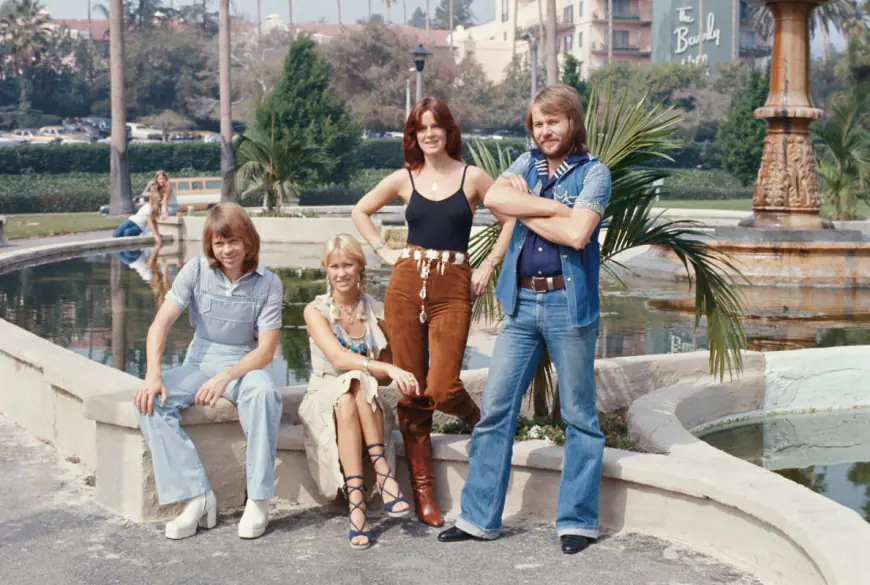
ABBA and the U. K. quartet Brotherhood of Man intersect over the same pop song, “Mamma Mia, ” in a story of near-misses and divergent outcomes. The comparison answers one question: did ABBA’s decision to keep and release “Mamma Mia” produce a larger cultural and commercial payoff than Brotherhood of Man’s choice to record a different single?
Abba’s March 12 recording at Metronome Studio and its immediate results
After the group’s 1974 Eurovision win with “Waterloo, ” ABBA were struggling: a tour that was not selling out, an album that was not catching fire, and whispers of being a one-hit wonder. Band members Björn Ulvaeus and Benny Andersson wrote what became “Mamma Mia” in Ulvaeus’ home library in Lidingo, with manager Stig Anderson contributing the title, and recorded it on March 12 (ET) at the Metronome Studio in Stockholm as the final track added to their third album. When ABBA released “Mamma Mia” as a single in the U. K., it went straight to the top, and the song charted in the top five in more than 10 European countries. In the U. S., the single peaked at No. 32 on the U. S. Hot 100 chart. Beyond single-charting, the song later spawned a jukebox musical that became the ninth longest-running Broadway show ever and a movie franchise starring Meryl Streep and Amanda Seyfried; the first film soundtrack reached No. 1 on the Hot 200, and its sequel’s soundtrack peaked at No. 3. ABBA also accumulated a run of 18 consecutive Top Ten singles in Great Britain.
Brotherhood of Man’s choice to prioritize “Save Your Kisses for Me” and its outcome
ABBA offered “Mamma Mia” to Brotherhood of Man after concluding the song might lack enough “ma-ma-magic, ” but the quartet declined to record it immediately because they wanted to finish “Save Your Kisses for Me. ” Martin Lee, one of Brotherhood of Man’s singers, said the group knew “Mamma Mia” was a potential smash but postponed it in favor of their own single. Brotherhood of Man went on to win Eurovision in 1976 with “Save Your Kisses for Me, ” establishing a clear, different trajectory for the group by choosing the Eurovision route and a different flagship single.
Comparing ABBA and Brotherhood of Man: chart performance, cultural reach and strategic choice
Applying the same criteria—decision over the song, immediate chart performance, and long-term cultural reach—sharpens the contrast between the two acts. On the decision criterion, ABBA kept “Mamma Mia” and recorded it as the last track on their upcoming third album; Brotherhood of Man prioritized their own single instead. On immediate charts, abba’s single reached No. 1 in the U. K. and top-five across more than 10 countries, while Brotherhood of Man secured a major competition victory by taking Eurovision in 1976 with a different song. On cultural reach, ABBA’s retention of “Mamma Mia” later translated into theatrical and cinematic franchises and high-performing soundtracks; Brotherhood of Man’s Eurovision win delivered a defining, competition-based milestone for that group.
| Criterion | ABBA | Brotherhood of Man |
|---|---|---|
| Song decision | Kept and recorded “Mamma Mia” on March 12 (ET) | Declined immediate recording to focus on “Save Your Kisses for Me” |
| Immediate chart outcome | U. K. single went straight to No. 1; top five in 10+ European countries; No. 32 on the U. S. Hot 100 | Won Eurovision 1976 with “Save Your Kisses for Me” |
| Long-term cultural reach | Spawned a jukebox musical (ninth longest-running on Broadway) and a film franchise; soundtracks reached No. 1 and No. 3 on the Hot 200 | Eurovision victory established the group’s signature achievement |
| Notable facts | Writers were Björn Ulvaeus and Benny Andersson; title added by Stig Anderson; ABBA later amassed 18 consecutive U. K. Top Ten singles | Martin Lee acknowledged knowing the song’s potential but choosing their own single instead |
Analysis: Side-by-side, the two choices reveal different strategic trade-offs. ABBA’s decision to retain “Mamma Mia” produced broad, multi-format returns—chart success, theatrical longevity and film soundtracks—while Brotherhood of Man converted a different single into a defining competition win. Each outcome validated the respective strategy: ABBA’s path favored a recorded-single then franchise trajectory; Brotherhood of Man’s path favored competition-led visibility.
Finding: The comparison establishes that keeping “Mamma Mia” delivered larger and more varied cultural returns for ABBA than the single would likely have delivered for Brotherhood of Man. The next confirmed event that tested that conclusion at the time was the release of ABBA’s third album, for which “Mamma Mia” was the final track added. If ABBA’s run of 18 consecutive Top Ten singles in Great Britain reflects sustained audience appeal, the comparison suggests that retaining signature material can amplify long-term cultural payoff.