Leeds United vs. Crown Prosecution Service: Jimmy Savile chants and the law

Leeds United and the Crown Prosecution Service have clashed over whether chanting about Jimmy Savile at matches should be prosecutable. This comparison asks one question: do the club’s calls to reclassify those chants as ‘tragedy chanting’ meet the legal criteria the FA and CPS use to decide what counts as a public order offence?
Leeds United: lobbying to make Jimmy Savile chants punishable
Leeds United has formally urged authorities to reclassify chants about Jimmy Savile as “tragedy chanting, ” which the club says would allow prosecution as a public order offence and enable football banning orders. Club officials say supporters are subjected to these taunts at every fixture, and the club has said it would support classifying the chants as a hate crime. The club also said it disapproves of retaliatory chants from its own fans.
Crown Prosecution Service and FA: the current legal definition and limits
The Crown Prosecution Service and the FA have relied on existing guidance that defines tragedy chanting as abuse tied to fatal incidents or stadium disasters affecting players, supporters or officials. Examples specified in that guidance include Hillsborough, Heysel, the Bradford City fire, the Munich air disaster and the death of Emiliano Sala. Tougher regulations introduced in 2023 enabled prosecution of some chants as public order offences, but the CPS has said singing about Savile does not currently constitute a criminal offence under that guidance.
Elland Road incidents and the 2013 report: where positions align and where they diverge
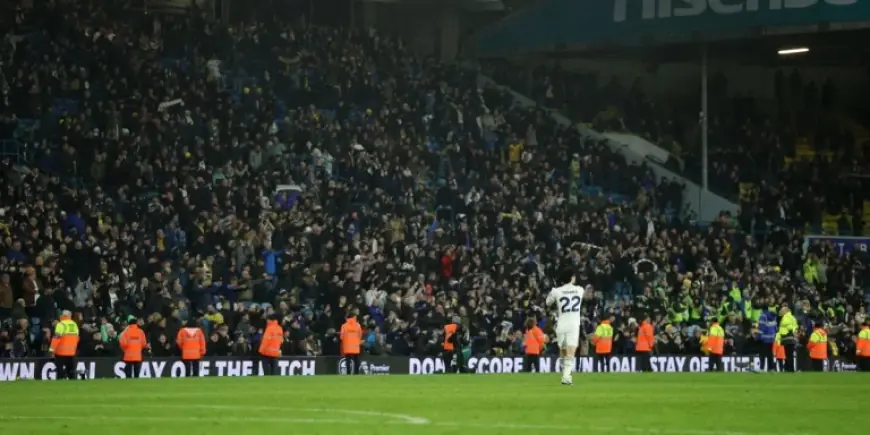
The issue resurfaced at an FA Cup fifth-round match at Elland Road when travelling fans referenced Jimmy Savile before kickoff and Leeds supporters responded with chants describing a sexual assault. That moment spotlights why Leeds argues for reclassification: a 2013 report by London’s Metropolitan Police and the National Society for the Prevention of Cruelty to Children found Savile committed at least 214 sex crimes, including 34 rapes between 1955 and 2009, and that 450 people alleged they had been abused. Savile was also found to have abused victims at 28 hospitals, including Leeds General Infirmary and Broadmoor, with victims aged between five and 75.
Both sides claim a remit grounded in victim protection and public order. Leeds frames reclassification as a tool to protect victims and stop persistent taunting at matches; the CPS and FA frame their position on whether chants fall within an existing legal category tied to specific kinds of tragedies. That produces alignment on the goal of reducing harm but divergence on whether current legal categories already cover these chants.
Manager Daniel Farke has weighed in from the team side, saying he does not mind “cheeky chants” but that fans must not “cross that line, ” and that it is up to authorities to deal with the matter. The FA has consulted with the UK Football Policing Unit, which has liaised with the CPS and been informed the singing does not currently amount to a criminal offence under present guidance.
Analysis: applying the same criteria—legal scope, enforceability, and moral offensiveness—reveals a clear fault line. On legal scope, the CPS and FA rely on a narrow, precedent-based definition tied to fatalities and stadium disasters; Leeds asks for an expanded scope to include non-football-related but deeply traumatic abuse linked to a local figure. On enforceability, 2023 regulations created mechanisms for prosecution where guidance applies, but those mechanisms do not reach Savile-related chants under current CPS guidance. On moral offensiveness, the club points to the scale and locations of Savile’s crimes documented in the 2013 report to argue the chants are exceptional; the CPS treats offensiveness as insufficient without a direct connection to football incidents.
Finding: this comparison establishes that legal classification, not unanimity over morality, is the decisive hurdle. The next confirmed data point that will test this finding is the Crown Prosecution Service’s settled guidance defining tragedy chanting and the scope of the 2023 regulations. If the CPS maintains its present definition, Leeds United’s push cannot trigger prosecutions under existing public order rules; if the CPS expands the definition to encompass chants referencing Jimmy Savile, then those chants would fall within the 2023 prosecutorial framework and could lead to football banning orders.