Scarpetta Show reviews collide with a browser wall for readers

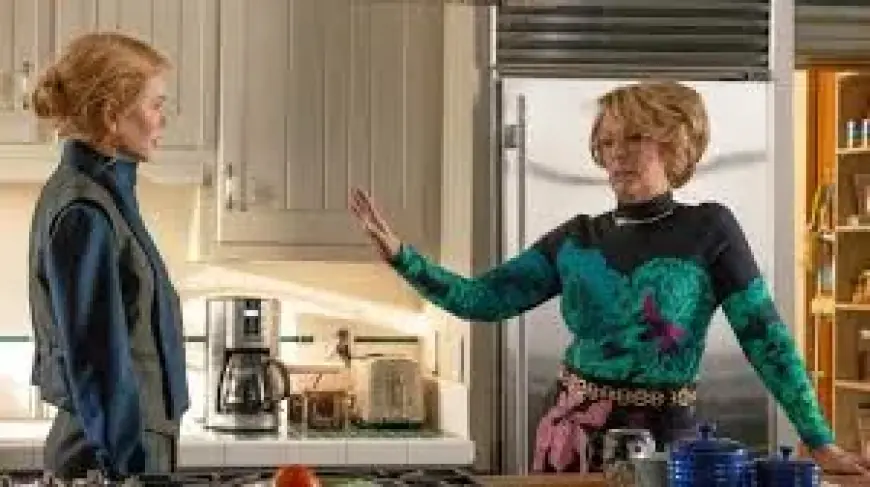
The scarpetta show conversation is easy to find, until a reader lands on a page that will not load the story at all. Instead of a review, the screen displays a notice that a browser is not supported. The message points to a simpler reality behind media buzz: sometimes the obstacle is not the mystery on screen, but the technology needed to read about it.
usatoday. com and the “browser is not supported” message
The only accessible material in the provided coverage is not a review or a plot detail. It is a site notice stating that usatoday. com “wants to ensure the best experience for all of our readers, ” and that the site was built to “take advantage of the latest technology, ” making it “faster and easier to use. ”
For readers arriving with older software, the page stops there. The message says, “Unfortunately, your browser is not supported, ” and asks the visitor to download one of the listed browsers “for the best experience. ” No article text appears in the provided context beyond that notice.
Scarpetta Show headlines promise reviews, but the story text is blocked
The broader angle suggested by the provided headlines is clear: there is active review coverage of “Scarpetta, ” framed in three different ways. The headlines describe it as “a captivating murder mystery — and a high-wire balancing act, ” as well as “a forensics genius” finally getting a series. A third headline frames it as “star-studded airport bookstore fluff. ”
Yet the supporting article content tied to those headlines is not available in the provided context. What remains is the practical disruption: a reader looking for any of those takes runs into the browser support notice instead of the analysis. In that moment, the coverage becomes less about whether a series succeeds artistically and more about whether the page can be accessed at all.
The scarpetta show moment, reduced to a technical requirement
In the provided text, the site positions the change as a trade: modern technology in exchange for speed and ease of use. The cost is compatibility. The page does not offer an excerpt, a summary, or an alternative reading mode within the provided material; it offers only the instruction to switch browsers.
That leaves the scarpetta show discussion hovering behind a simple gate. The reader is told what the site aims to deliver—“the best experience”—and what they must do next to get it. Until that step happens, the promised reviews remain just headlines, and the only narrative the reader can actually see is the one the page itself delivers: access first, story later.