Jimmy Savile chants vs CPS rules: why prosecuting them remains stalled

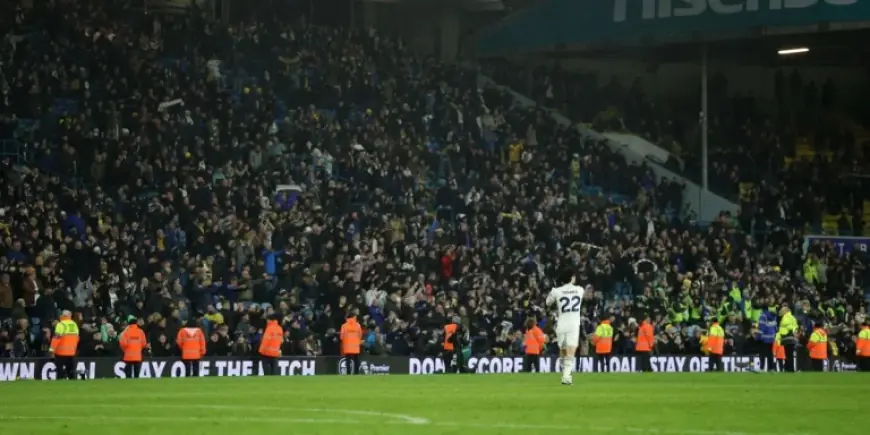
Jimmy Savile chants have become a recurring feature at Elland Road and other grounds, and Leeds United is pressing authorities to reclassify those songs as prosecutable “tragedy chanting” or hate crimes. The comparison in this article asks: do current legal definitions or enforcement choices explain why chants about Savile remain largely unpunished?
Leeds United: the club urging Jimmy Savile chants be reclassified
Leeds United says its supporters endure taunts about Jimmy Savile at fixtures, including an FA Cup fifth-round tie at Elland Road when Norwich City fans started chants before kickoff, and the club now wants those chants treated as “tragedy chanting” and as hate crimes. The club has argued that opposing fans direct the taunts at every match and has also criticised retaliatory chants from home supporters; it frames reclassification as a route to prosecution and football banning orders.
Crown Prosecution Service and FA: why chants fall outside current law
The Crown Prosecution Service defines tragedy chanting as abuse tied to fatal incidents or stadium disasters, citing examples such as Hillsborough, Heysel, the Bradford City fire, the Munich air disaster and the death of Emiliano Sala, and has advised that references to Jimmy Savile lack the direct football connection required under existing guidance. The FA consulted with the UK Football Policing Unit and the CPS, and was informed that singing about Savile does not currently constitute a criminal offence, even though tougher regulations introduced in 2023 enabled prosecution of some chants as public order offences when those chants directly relate to football tragedies.
Leeds United vs Crown Prosecution Service: prosecutability, recognition of harm, enforcement gaps
Measure one — frequency and normalization: chants about Jimmy Savile repeat at Elland Road and were heard at the Norwich City fixture, and this recurrence is the basis for Leeds United’s push. Measure two — legal fit: the CPS guidance requires a clear link to football disasters for “tragedy chanting, ” so while the 2023 regulations created avenues for prosecution, references to Savile remain beyond their stated scope because they are not tied to a stadium disaster or fatal incident. Measure three — recognition of harm: the scale of Savile’s crimes, as documented in a 2013 Metropolitan Police and National Society for the Prevention of Cruelty to Children report, found at least 214 sex crimes, including 34 rapes, with 450 people alleging abuse and incidents at 28 hospitals including Leeds General Infirmary and Broadmoor; those facts underpin Leeds United’s argument that chants inflict harm on victims and the club’s community.
Putting these measures side by side reveals a clear divergence. Leeds United treats the chants as actionable harm that should be folded into the legal category used for football-related tragedies, while the CPS and the FA treat the same words as outside that category because they lack a specified football nexus. That divergence is not about whether harm exists — the 2013 report and the history of renaming sites and removing memorials show the severity of Savile’s crimes — but about how the law ties prosecutability to particular kinds of incidents.
Analysis: the comparison shows that legal definitions, not merely policing will, currently block criminal sanctions for Jimmy Savile chants. Leeds United can campaign and seek policy change, but under present CPS guidance and the FA’s reading of it, singing about Savile sits outside the prosecutions enabled by the 2023 rules unless guidance changes or prosecutors interpret the regulations more broadly.
Finding: this side-by-side comparison establishes that reclassification of chants by the Crown Prosecution Service is the pivotal step needed to convert Leeds United’s complaints into enforceable prosecutions. The next confirmed test will be whether police or the CPS bring a prosecution under the 2023 regulations for a Jimmy Savile chant incident. If the CPS maintains its current guidance that singing about Savile is not a criminal offence, the comparison suggests those chants will remain unprosecuted and persistent at matches; if the CPS revises its guidance to include such chants, enforcement and deterrence are likely to follow.