Judge Blocks DOJ Subpoenas Against Jerome Powell, Court Finds Pretext

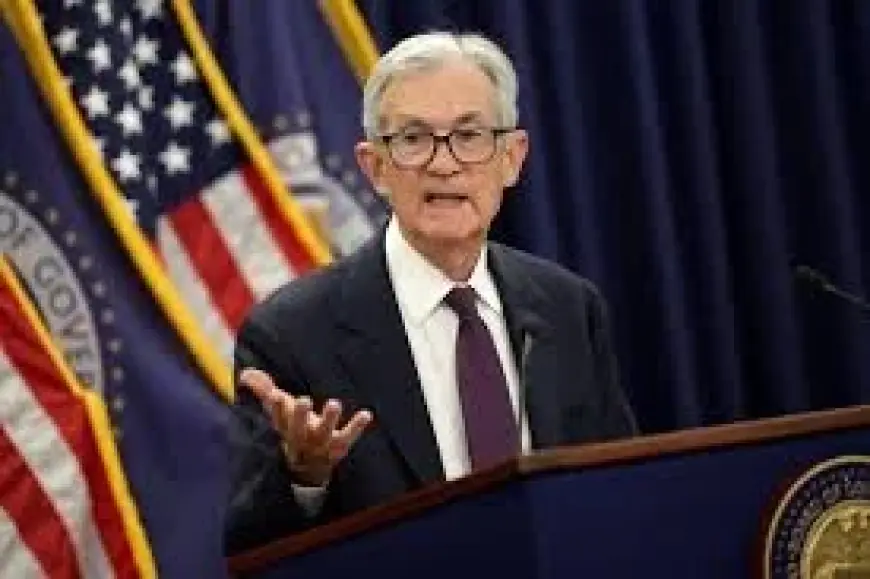
A U. S. federal judge blocked subpoenas that the Justice Department served on Jerome powell, a decision that the court tied to competing accounts of the probe’s purpose. The record shows the subpoenas were framed as part of an inquiry into the Federal Reserve’s renovation, while the judge described evidence implying the investigation sought to pressure the Fed on interest-rate policy.
Chief Judge James Boasberg’s Findings on the Subpoenas
Confirmed: A U. S. federal judge said he was blocking subpoenas that the Justice Department served on the Federal Reserve chair. The judge wrote that a “mountain of evidence” suggests the probe was intended to pressure the Fed chair to lower rates or to resign. Chief Judge James Boasberg also wrote that the Government had “produced essentially zero evidence to suspect Chair Powell of a crime, ” and that the justifications presented were “so thin and unsubstantiated” the Court could only conclude they were pretextual. These written findings are part of the judge’s decision to block the subpoenas.
Jerome Powell Disclosure on Jan. 11 and the Probe’s Stated Purpose
Confirmed: Jerome powell disclosed the probe on Jan. 11 and framed it as a threat to Fed independence. Powell described the inquiry as part of the Trump administration’s attempts to pressure the Federal Reserve to cut rates. Documented: The subpoenas at issue were described in the record as tied to what was purported to be an investigation into the management of the central bank’s renovation. That stated subject matter is the formal basis the Justice Department presented for seeking materials from the Fed.
Justice Department Subpoenas, Renovation Claims, and the Court’s Contradiction
Documented: The court record presents two conflicting threads. One thread is the Government’s articulated subject for the subpoenas: a probe about the Federal Reserve’s renovation management. The other thread is the judge’s assessment that evidence in the record indicates a different motive—pressuring the Fed on monetary policy. The judge’s language that the Government had “essentially zero evidence” of criminal suspicion and that justifications were “pretextual” creates a documented contradiction between the stated investigative aim and what the court concluded the record showed.
Confirmed: The judge explicitly linked the apparent motive to attempts to influence Fed actions, noting a pattern in the materials he reviewed that, in his view, supported that conclusion. Open question: The context does not confirm what specific evidence the Justice Department presented in its filings beyond what the court characterized as thin and unsubstantiated. What remains unclear is whether additional materials exist that the judge did not credit or that might alter his assessment.
Confirmed: Powell had publicly framed the probe as a threat to the central bank’s independence, while the court described the Government’s justifications as pretextual. Documented: Those two facts together underpin the central tension—the contrast between the probe’s formal description and the court’s determination about motive.
What Would Resolve the Discrepancy in the Record
Open question: The context does not confirm whether the Justice Department possesses concrete evidence linking the Fed chair to criminal conduct beyond what the court reviewed. If the Government were to produce evidence that ties Chair Powell to wrongdoing, it would establish a non-pretextual basis for the subpoenas. For now, the record the judge cited confirms a blocked set of subpoenas, a stated investigative subject tied to the Fed’s renovation, and a judicial finding that the materials before the court suggested an intent to influence monetary policy rather than to investigate a crime.