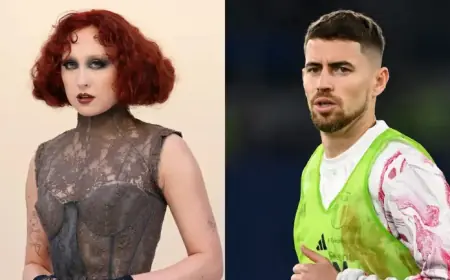
Bow Wow and B2K’s Boys 4 Life Tour Signals a Sharper Nostalgia-First Concert Playbook

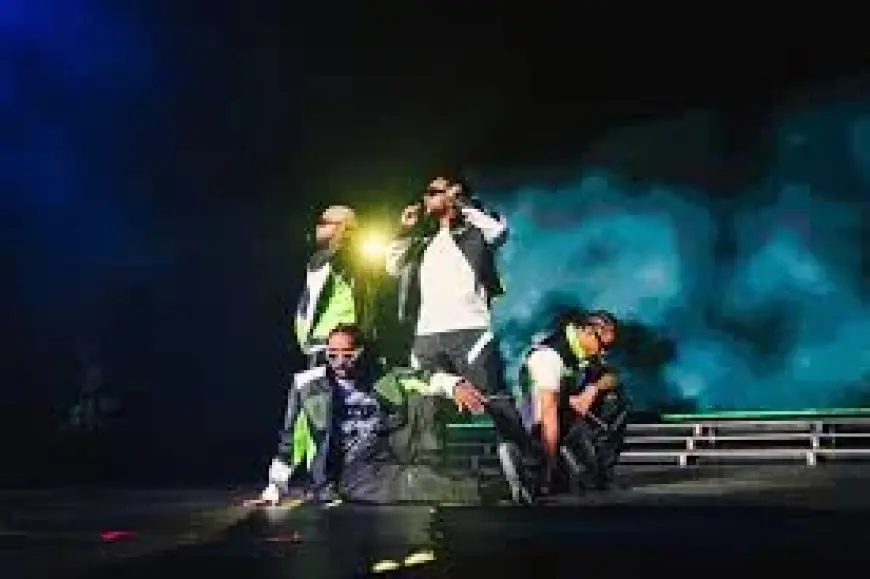
bow wow is co-headlining the Boys 4 Life Tour with B2K, a 28-city run that has already delivered a packed, high-volume stop at Washington, D. C. ’s Capital One Arena on Sunday, March 8. The confirmed tone of the show and the broader tour package points to a clear direction: nostalgia touring is becoming more tightly paced, more lineup-driven, and more focused on the songs audiences already know by heart.
B2K, Bow Wow, and the March 8 Capital One Arena stop
The current state is concrete and loud: the Boys 4 Life Tour has B2K and Bow Wow at the top of a multi-artist bill, and the tenth stop landed at Capital One Arena in Washington, D. C. on March 8. B2K’s lineup is identified as Omarion, J-Boog, Lil’ Fizz, and Raz-B, and the group is described as officially reunited after putting past differences aside, with confirmed new music on the way. The production is also framed as a 25th anniversary celebration and as a marker of more than two decades since B2K and Bow Wow first shared a stage at 2002’s Scream Tour II.
Onstage, the show leaned heavily into recognition. B2K’s set highlighted “Why I Love You, ” “Gots Ta Be, ” and “Bump Bump Bump, ” with “Bump Bump Bump” specifically identified as having hit No. 1 on the Billboard Hot 100 in February 2003. At the March 8 stop, the crowd response is described as fans singing along line by line, and the night is characterized by excitement at seeing the group together again, with both collective and individual moments designed to give each member a spotlight.
Even the timeline for the tour itself reinforces how organized this revival is. The concert series was originally announced in November 2025, runs across 28 cities, and is slated to wrap up on Sunday, April 19 in Hampton, Va. That end date functions as the next confirmed milestone on the calendar, and it gives the entire package a defined arc rather than an open-ended run.
Black Promoters Collective’s lineup strategy and the “hits-only” pacing
Two drivers stand out in the context: the breadth of the lineup and the deliberate pacing. The tour is powered by Black Promoters Collective and features a deep bench of recognizable names tied to throwback hits, including Pretty Ricky, Amerie, Waka Flocka, B5, Yung Joc, Dem Franchize Boyz, and Crime Mob. At the Capital One Arena show on March 8, the night is described as “hits-only, ” with “no filler” and tight transitions that kept energy high from set to set rather than treating opening performances as downtime.
Specific on-the-ground signals from Washington, D. C. reinforce why this structure works. The audience mix is described as spanning “every age range, ” including teens with parents, grown fans reliving middle school, couples on date night, and groups dressed for the era. In that environment, crowd participation becomes part of the production value. Waka Flocka Flame’s crowd engagement is singled out as a reason the arena stayed energized between acts, and Crime Mob’s “Knuck If You Buck” is presented as a moment that immediately changed the room’s intensity.
Bow Wow’s section of the show is portrayed as a catalog test that passed in real time. His set is described as moving quickly through familiar records, with the crowd ready for the next track as soon as one ended. The same cause-and-effect shows up again when B2K takes the stage, framed as the “payoff” with the loudest arena reaction and full-lyrics participation, not just hooks.
March 8 fan response and B2K’s new music as forward signals
The direction of travel suggested by the March 8 stop is a nostalgia tour model that behaves less like a reunion curiosity and more like a repeatable live format. Across social media, reaction to B2K’s performance is described as overwhelmingly positive, with comments praising choreography, vocals, and the feeling of being transported back to their teen years. In practical terms, that kind of response functions as confirmation that the show is hitting its intended emotional target: time travel anchored to specific songs and a shared memory of an era.
B2K’s confirmed new music adds a second forward signal. The tour is not framed only as a celebration of past material; it is also attached to an active next step for the group. Paired with a set built around known records like “Bump Bump Bump, ” this creates a trajectory where catalog strength and new output can coexist in the same touring cycle, rather than requiring a hard pivot from nostalgia to reinvention.
If the “hits-only” structure continues… the Boys 4 Life Tour format points toward multi-act, era-specific bills that prioritize pace and recognition, especially when crowd participation is treated as a core feature rather than a byproduct. The March 8 description repeatedly emphasizes that momentum never dipped between acts, suggesting that tight sequencing and familiar instrumentals can keep arenas engaged before headliners appear.
Should B2K’s confirmed new music become a bigger part of the live set… the balance of the tour could shift from pure time capsule to a hybrid, where reunion energy helps introduce new material without losing the singalong foundation. The context does not resolve how much new music will be performed, or when it will arrive, but the confirmation that it is on the way makes that programming decision a key variable.
The next confirmed signal is the tour’s scheduled finish on Sunday, April 19 in Hampton, Va., which will show how this co-headlining package lands at the end of a 28-city run. What the context does not resolve is how B2K’s new music will be released or integrated, yet the March 8 Capital One Arena stop already outlines a trajectory: nostalgia is not just the theme, it is the organizing principle of the live experience.