Colon Cancer diagnosis from Mel Schilling exposes gaps in what remains public

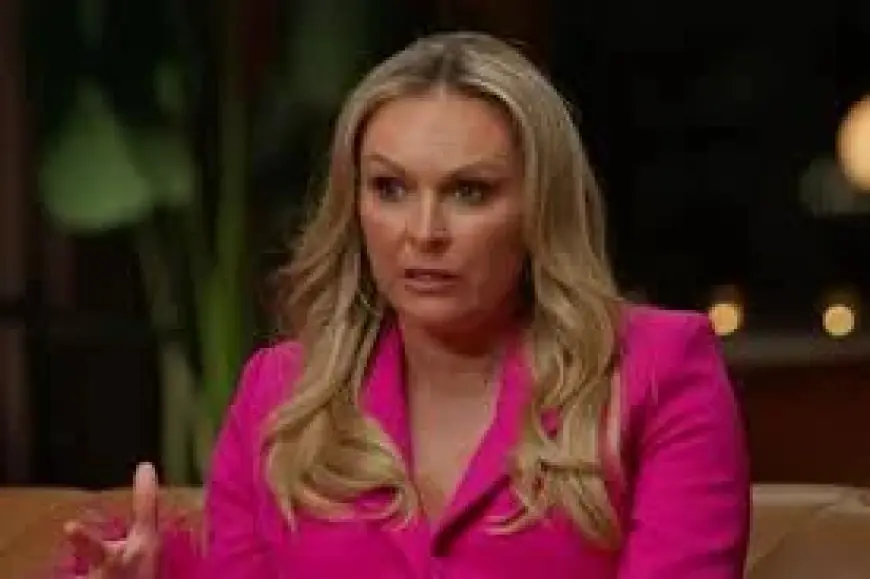
Mel Schilling, a Married at First Sight dating coach, has said her colon cancer has spread to her brain and that she does not know how long she has left to live. Yet the record also shows overlapping timelines, shifting program arrangements, and limited detail on key medical decisions, leaving unanswered questions about what changed between treatment optimism and the declaration that no further options remain.
Mel Schilling’s colon cancer timeline and her stated treatment path
Schilling, 54, disclosed that she was diagnosed with colon cancer in December 2023. In her social media posts, she described an initial period of treatment and escalating spread: first to her lungs and later to the left side of her brain. She wrote that she had undergone 16 rounds of chemotherapy while continuing to film Married at First Sight.
Her account also includes an inflection point tied to a planned research option. Schilling said she had been told she was eligible for a “groundbreaking clinical trial specific to my gene type, ” and that it was due to start “this month” in one version of the account, while another version describes it as due to start in March 2026. The context does not confirm whether these statements refer to the same trial, a rescheduled start date, or separate opportunities.
Schilling described a sudden deterioration “last Christmas, ” when she began experiencing “blinding headaches and numbness down my right side. ” After tests, she wrote, she was told the cancer had spread to the left side of her brain. She said she received radiotherapy sessions afterward, but that her oncology team had now told her “there is nothing further they can do. ” She added that simple tasks had become “incredibly difficult, ” and that she was relying on family support.
Instagram posts, radiotherapy, and the moment treatment options narrowed
The sharpest tension in Schilling’s account is the contrast between two documented elements: eligibility for a clinical trial described as tailored to her gene type, and the later message from her oncology team that no further treatment options remain. Both appear in her own narrative, but the context does not confirm what clinical threshold or medical finding closed the pathway from trial eligibility to “nothing further. ”
Schilling’s description places radiotherapy after brain metastasis was identified, followed by the determination that additional options were exhausted. What remains unclear is whether the radiotherapy was intended as a bridge to the clinical trial, an alternative once trial participation became impossible, or a final intervention attempted after a change in her condition. The context does not confirm trial enrollment, trial screening status, or whether her symptoms and subsequent findings affected eligibility.
There is also a gap around timing. One account says the trial was “due to start this month, ” while another states March 2026. Without a stated date for the Instagram posts beyond “Thursday” and “Friday, ” the context does not confirm the precise month being referenced, or whether the two descriptions reflect different reporting windows of the same disclosure. Still, both accounts document the same key pivot: worsening neurological symptoms, tests, radiotherapy, then the message that there was nothing more her oncology team could do.
Married at First Sight casting decisions and statements from Channel 4, CPL, and Nine Entertainment
Alongside medical disclosures, the context documents program-level decisions that underline how quickly Schilling’s situation appears to have forced changes. She announced “last month” that she was stepping away from the Australian version of Married at First Sight to prioritize family and health. A separate statement says John Aiken, described as a Married at First Sight Australia expert, would step in to replace her for the remainder of the latest UK series, which is currently being filmed.
Channel 4 described Schilling as “a hugely valued and much-loved” colleague, adding that her “wisdom, warmth, humour and kindness” were widely felt across the production and viewership. CPL, the production company that makes the UK version, said Schilling was “greatly loved and respected” and that its thoughts were with her and her family.
Nine Entertainment also issued a statement saying it was “deeply saddened” by her news, calling her “family” and naming her husband, Gareth, and her daughter, Maddie. Yet these expressions of support do not address the open questions created by Schilling’s own description of medical options: what exactly ended the possibility of further treatment, and whether the clinical trial remained viable as her condition changed.
One additional element sits beside Schilling’s disclosure: the context notes audience performance for the program in Australia, citing ratings data that placed it as the number one program overall and across demographics, with an audience of almost 3 million across TV and on-demand viewing. That data point underscores the scale of public attention around the show even as Schilling steps back for health reasons, but it does not clarify how production timelines aligned with her treatment and recent decline.
Schilling also used her post to urge others to seek medical attention if “something doesn’t feel right, ” framing it as a potentially life-saving choice. That message, combined with her account of symptoms emerging “over Christmas, ” anchors the sequence of events she presents, even as some specifics remain unconfirmed in the context.
The evidence that would resolve the central gap is straightforward but absent here: confirmation of whether the clinical trial Schilling referenced was the same in both accounts, and whether her brain involvement or functional decline affected eligibility or timing. If it is confirmed that trial participation became impossible due to changes documented after “last Christmas, ” it would establish a clear link between her symptoms, subsequent tests, and the moment her oncology team concluded that no further options remained.