Kharg Island left untouched by strikes, risks for markets rise

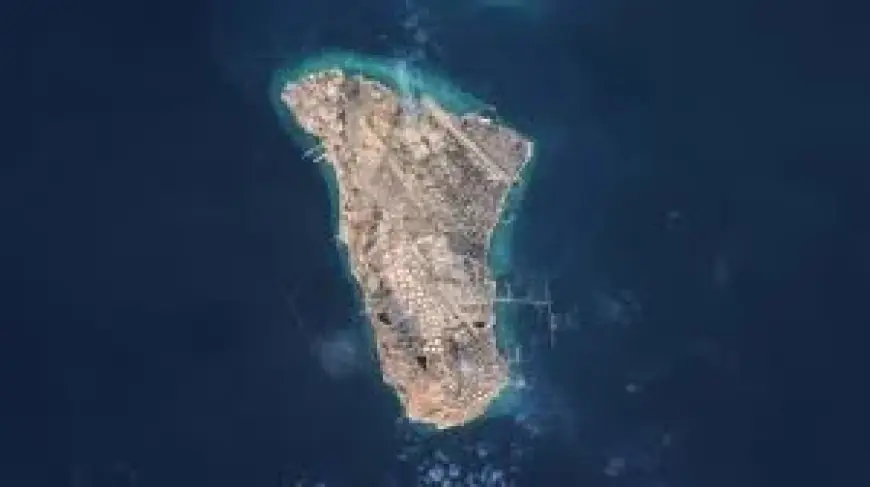
The export terminal on kharg island, which channels 90% of Iran’s oil exports, has so far been spared during the US-Israel bombing campaign, leaving a fragile market equilibrium intact. That restraint prevents an immediate loss of Iran’s daily crude exports but also concentrates the risk: analysts warn that any attack or seizure of the site would likely send oil prices sharply higher and disrupt global flows.
Kharg Island’s export role
Kharg Island sits 27 miles from Iran’s mainland and is a five-mile-long coral island where pipelines from central and western oilfields terminate; the terminal handles between 1. 3 million and 1. 6 million barrels a day in normal times. The figures point to why Neil Quilliam of Chatham House calls the island “too vital for global energy markets”: removing that throughput would amount to taking the entirety of Iran’s daily crude exports offline, and JP Morgan found Iran raised volumes to about 3 million barrels a day in mid-February and holds roughly 18 million barrels in storage on Kharg as a backup.
US-Israel bombing campaign limits
The United States has struck roughly 5, 000 targets in and around Iran but has avoided hitting Iran’s oil infrastructure, even though Israel’s air force did strike two refineries and two depots on a recent Saturday. That pattern suggests a deliberate calculation: striking Kharg would not only remove active exports but would risk a sustained global market tailspin by effectively closing a major export node while the Strait of Hormuz is already functionally closed to tanker traffic because of fear of retaliation.
JP Morgan oil warnings
JP Morgan’s data that Iran boosted flows to about 3 million barrels a day and stores 18 million barrels on Kharg underscores how concentrated supply sits on the island. The figures point to why market commentators say oil prices already trade nearly $20 per barrel higher on fear-driven closures; Neil Quilliam warned of a jump from roughly $120 a barrel toward $150 if Kharg were attacked. Lynette Nusbacher cautions that Kharg’s complex infrastructure could take years to repair, meaning a damage scenario would not be a short-lived price spike but a prolonged supply shock.
For now, military advisers are debating options. The US defence secretary, Pete Hegseth, has not ruled out attacking Iran with ground forces, and a former Pentagon adviser, Michael Rubin, discussed seizing the island as a way to cripple Iran’s ability to sell oil. A media report also hinted that White House officials had considered seizing Kharg, but there is no confirmed decision to move on the terminal and there are not large numbers of US troops in the region; that gap leaves the policy choice unresolved.
If the White House or allied forces decide to attack or seize kharg island, the data and expert warnings suggest a substantial and sustained rise in global oil prices as a direct consequence. The central open question the context leaves is whether US or allied planners will escalate to targeting Kharg itself; that single decision will determine whether current price effects remain driven by fear or become a structural loss of export capacity.