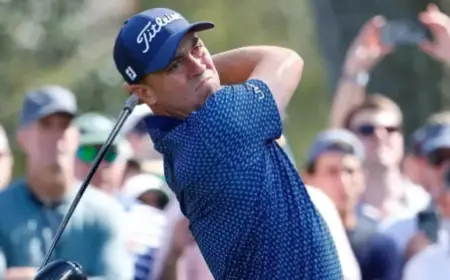
Tyler Conklin signing with Lions points to a depth-first tight end plan

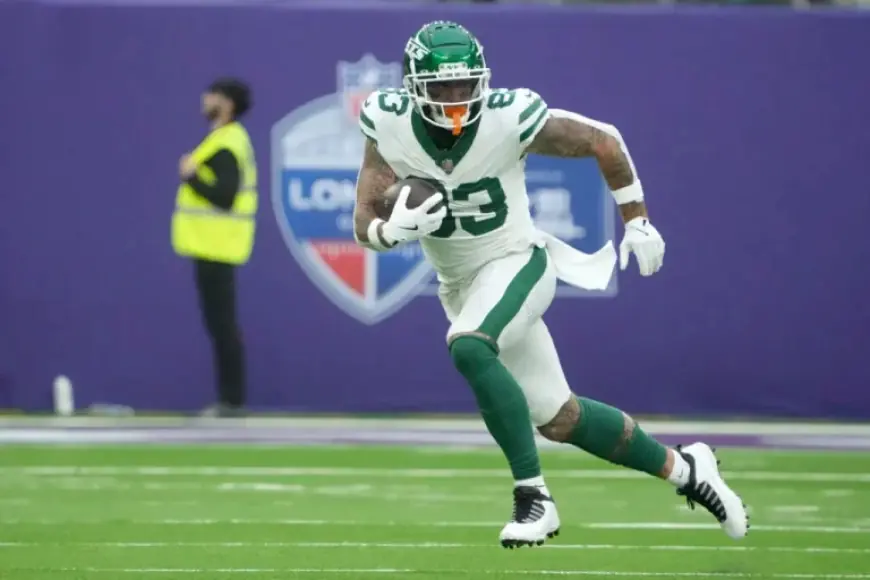
tyler conklin is signing a one-year deal with the Detroit Lions, adding veteran depth to the team’s tight end group. The move signals a clear near-term direction: Detroit is stacking experienced options behind starter Sam LaPorta while he rehabs from a back injury, and setting up a defined competition for snaps and roles.
Detroit Lions add Tyler Conklin on a one-year deal
The Lions are signing tight end Tyler Conklin to a one-year contract, a deal communicated through his agency and agent Mike McCartney. Detroit is adding him after his most recent season with the Los Angeles Chargers, where he played 13 games and made five starts. His production in that stretch was limited to seven catches for 101 yards, and he was a healthy scratch a handful of times.
Even with that recent dip, the Lions are bringing in a player with a long track record of availability and usage: Conklin is an eight-year veteran with 127 career game appearances and 69 total starts. That workload history is a concrete indicator of what Detroit is buying here—someone who has been in regular rotation for multiple seasons, even if his most recent year did not match his prior output.
Drew Petzing, Sam LaPorta, and Brock Wright shape the immediate need
Detroit’s current roster situation and coaching connections help explain why this signing fits now. Conklin overlapped in Minnesota with Lions offensive coordinator Drew Petzing in 2018 and 2019, when Petzing served as an assistant quarterbacks coach and wide receivers coach. That prior overlap is one of the few specific signals in the available information about how Conklin might be deployed or evaluated quickly in a new environment.
On the depth chart, Conklin arrives with a clear set of potential outcomes already outlined. In Detroit, he could compete with Brock Wright for the Lions’ TE2 spot, and he also offers insurance while starter Sam LaPorta continues to rehab from a back injury. A second data point reinforces the same pressure points: Conklin is expected to compete for backup snaps with Brock Wright, who is dealing with a neck issue, behind Sam LaPorta.
There is also a local angle that can matter in roster decisions when the margins are tight. Conklin grew up in Chesterfield, Michigan, and attended Central Michigan University. The context does not tie those roots to a specific football role, but it does establish that Detroit is adding a veteran who returns to his home state.
Tyler Conklin’s performance signals: rebound potential and role clarity
The most visible trajectory in the context is a bet on bounce-back performance paired with practical, role-based utility. Before the Chargers season where he posted seven catches for 101 yards, Conklin produced at least 50 catches and 449 receiving yards in four straight seasons—three with the Jets and one with the Vikings. Another measure of that earlier production appears in a three-year receiving total of 1, 622 yards with the Jets. Those data points create a direct contrast with his most recent year and outline why a “change of scenery” is framed as a potential benefit.
The Lions are also adding a tight end whose profile is not limited to receiving volume. Conklin has been described as having strong hands and a good history of grading out well in pass protection, including a 66 or higher pass blocking grade in five of his eight seasons and in each of his last three years. That is a specific, repeatable signal of the type of snap-to-snap utility that can keep a tight end active on game day, even if targets fluctuate.
Based on context data:
- Most recent season (Chargers): 13 games, five starts, seven catches, 101 yards; healthy scratch a handful of times
- Prior receiving baseline: at least 50 catches and 449 yards in four straight seasons (Jets and Vikings)
- Experience: eight-year veteran, 127 career games, 69 starts
- Blocking indicator: 66 or higher pass-blocking grade in five of eight seasons, including each of the last three
If the current trajectory continues… Detroit’s tight end rotation looks set to prioritize reliability and flexibility. The specific combination of LaPorta’s ongoing rehab from a back injury, Wright’s neck issue, and Conklin’s extensive start history suggests a near-term emphasis on having multiple playable options ready. In that setup, the most immediate trend is competition: Conklin pushing for the TE2 role or carving out situational work, with his pass protection grades offering a pathway to snaps even without high target volume.
Should a key context factor shift… the tight end depth chart could settle faster than expected. A change in LaPorta’s rehab timeline or Wright’s availability would directly influence how quickly Conklin transitions from “depth signing” to “necessary weekly contributor, ” since the context explicitly frames him as insurance and a competitor for backup snaps. In that scenario, the Lions’ evaluation may lean heavily on his recent pass-protection performance indicators and prior multi-season receiving floor, rather than his Chargers stat line alone.
The next confirmed milestone in the context is simply the completion and operationalization of the one-year agreement, which positions Conklin to enter a competition for role and snaps behind Sam LaPorta. What the context does not resolve is how Detroit will allocate targets and in-game responsibilities among LaPorta, Brock Wright, and tyler conklin once availability and health variables stabilize. Still, the details already provided point to a depth-first approach: Detroit is adding an experienced tight end with documented blocking consistency and prior receiving production, even after a down year.