Ric Grenell’s departure reshapes a Kennedy Center in mid-overhaul

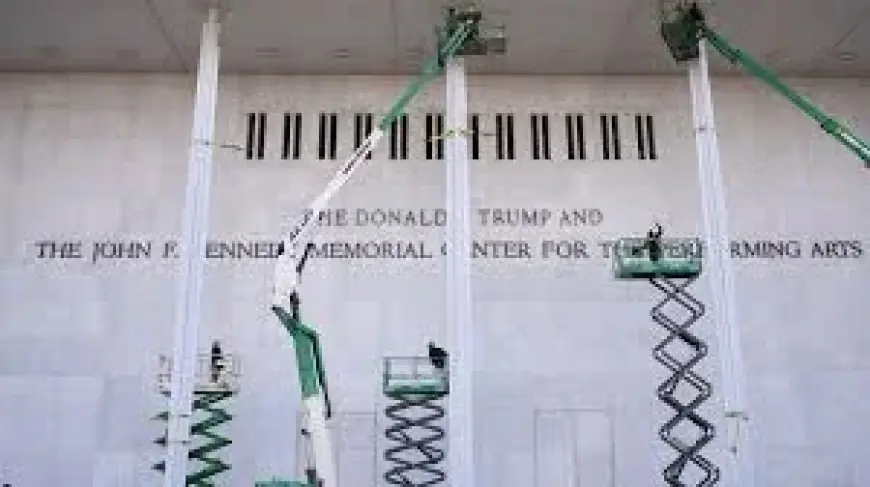
In Washington, ric grenell is preparing to leave one of the capital’s most symbolic cultural jobs: president of the Kennedy Center. His expected step-down lands after a period of far-reaching changes at the venue that led many artists to abandon it, and just as the institution readies for a major closure and renovation.
Ric Grenell and a Kennedy Center that artists walked away from
Richard Grenell, described as a longtime Republican foreign policy adviser and an ally of President Donald Trump, oversaw a period of sweeping change at the Kennedy Center. The changes were not abstract. They had an immediate, visible consequence: many artists abandoned the iconic performing arts venue during his tenure.
That public-facing reaction became part of the story of the institution itself. The Kennedy Center is not only a building and a calendar of performances; it is also the community that chooses to appear on its stages. Under Grenell, the center’s transformation pushed that community in a direction that included departures, leaving the venue altered not just by leadership decisions but by who decided not to be there.
Now, as ric grenell prepares to step aside, the Kennedy Center stands at a hinge moment. It is heading toward a summer closure for a two-year renovation, meaning the next phase will be shaped by both construction timelines and leadership transition at the same time.
White House board meeting Monday sets the transition in motion
The change is expected to be announced at a board meeting scheduled for Monday at the White House. Matt Floca, the vice president of facilities operations, is expected to succeed Grenell as president. The timing places a leadership decision alongside the venue’s practical needs, with facilities operations already a central part of the center’s immediate future.
Grenell’s exit comes after he played a central role in Trump’s push to dramatically overhaul the Kennedy Center soon after Trump returned to office. Within a month of the administration beginning, Trump ousted the Kennedy Center’s leadership, filled the board of trustees with his supporters, and announced he had been elected the board’s chair.
More recently, Trump attached his name to the building. That step added another layer to an institution already in flux: a physical landmark now carrying a political imprint at the same time it is preparing to shut its doors for renovation and, simultaneously, change its top executive.
Trump’s overhaul and the two-year renovation converge at the Kennedy Center
The Kennedy Center’s upcoming closure this summer for a two-year renovation sets a hard boundary for what happens next: audiences, artists, and staff face an extended pause in the building’s normal rhythm. Against that backdrop, the leadership transition is not only about who occupies an office title, but about who steers an institution during a period when the building itself will be unavailable.
Trump’s early moves to reshape the Kennedy Center—removing leadership, remaking the board of trustees, and taking the role of board chair—reordered the institution’s governing structure. Grenell’s tenure, defined in part by far-reaching changes that drove artists away, became intertwined with that governing overhaul. The expected succession by Matt Floca signals continuity in one sense: the next leader is already inside the institution, and his current role connects directly to the operational realities of a major renovation.
For now, the next confirmed moment is Monday’s board meeting at the White House, where the change is expected to be announced. The departure of ric grenell closes one chapter of a rapid institutional remaking, even as the Kennedy Center approaches a summer shutdown that will test how durable those changes are once the building itself goes dark for renovations.