Is Netanyahu Dead rumors spread as viral video deepfake claims accelerate

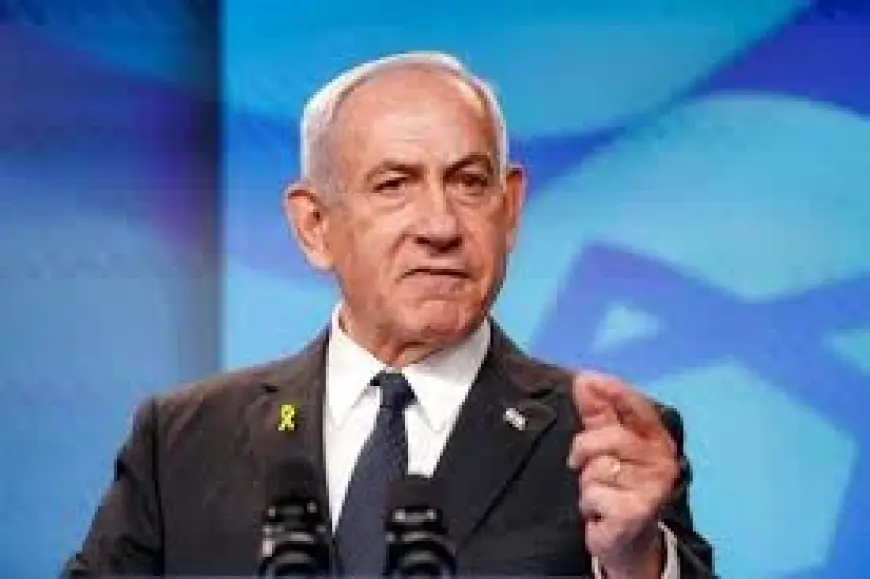
The phrase is netanyahu dead has resurfaced online as a short clip of Israeli Prime Minister Benjamin Netanyahu circulates with claims it was generated by artificial intelligence. The immediate trigger is a frame-by-frame fixation on Netanyahu’s hands during a 12 March address, where some viewers argue the video shows an “extra finger. ” The direction signaled by the current episode is a familiar one: rapid, conflict-driven information demand colliding with a growing readiness to label imperfect video as synthetic.
Benjamin Netanyahu’s 12 March clip and the “six fingers” claim
The present controversy centers on screenshots pulled from a clip of Netanyahu speaking during the ongoing Israel-Iran conflict. Users zoomed in on his left hand while he gestured mid-sentence and argued that one frame appears to show six digits. Comments shared alongside the clip frame the alleged anomaly as a “classic AI glitch, ” with some asserting that it “proves the speech is AI-generated. ” In at least one widely circulated post, the rumor is explicitly tied to mortality speculation, using the same loaded framing that continues to drive searches for is netanyahu dead.
The context includes a basic technical counterpoint: viewers who examined the footage frame by frame also pointed to ordinary motion blur, plus compression artefacts that can briefly make fingers appear doubled or merged in still images. That explanation aligns with a key constraint on the current state of the story: so far, no credible AI analysis has concluded that the video itself is AI-generated. The visible trend is not a confirmed deepfake, but a widening gap between what a single paused frame can suggest and what the full moving clip can show.
Israel-Iran conflict rumors and the speed of “replacement” theories
The rumor energy around the clip is also tied to earlier claims about Netanyahu’s status during the escalating Israel-Iran conflict in early March. An Iranian state-linked outlet asserted the Israeli leader may have been injured or killed in a strike, citing unnamed sources and an absence of recent footage. The claim was never verified and was rejected by Israeli officials as false. In the days that followed, Netanyahu continued issuing statements about Israel’s military operations and appeared in new videos released by his office.
That sequence matters because it reveals the conditions under which a single ambiguous visual detail can ignite broader narratives. The context shows two ingredients arriving together: heightened attention to leadership communications during a conflict and pre-existing speculation about whether the public is seeing authentic, current footage. Once those ingredients were in place, the “extra finger” frame functioned as a shareable hook, allowing conspiracy framing to travel faster than careful technical evaluation.
The pattern also echoes earlier online chatter about Jim Carrey. After Carrey appeared at the Cesar Awards in Paris in February, his “unrecognisable” appearance sparked claims he had been replaced by a “clone” or body double. The context notes the rumors faded after additional footage and interviews surfaced, and after representatives and event organizers dismissed the claims. In the current Netanyahu episode, the similarity is the mechanism: a high-visibility figure, a burst of attention, and a visual “tell” promoted as proof of replacement.
Olivier Rimmel and the drift from skepticism to AI verification claims
A second stream of scrutiny appears in claims of broader “inconsistencies” in the video. In that context, internet users highlight fingers appearing the same length at moments in the clip, and a moment where Netanyahu puts his hand behind a microphone and the image “gave the impression” of six fingers. Other alleged inconsistencies circulated in the same discussion include misaligned teeth, changing hair color, and a fleeting blink of ears. The key signal here is not the validity of each claim but the way online audiences rapidly reframe themselves as forensic reviewers when a clip becomes a focal point.
That drift toward pseudo-forensics is reinforced by a named intervention: Olivier Rimmel, described as a French technologist, created an app announcing that an evaluation is underway to determine whether the video is AI-generated. Rimmel wrote that, at that stage, “it’s not impossible for an AI to have produced this video. ” In trend terms, this is a step beyond casual commentary, because it introduces the appearance of a formal process, even while remaining non-conclusive.
If the current frame-by-frame policing continues… the context points toward a feedback loop where each new Netanyahu clip, especially during the Israel-Iran conflict, becomes a fresh opportunity for “artifact hunting” rather than straightforward message reception. The “extra finger” claim already demonstrates how compression artefacts and motion blur can be reinterpreted as intent, and the presence of a publicized “evaluation underway” can amplify the sense that every video is a candidate deepfake.
Should additional official videos keep appearing as they did after the early March injury-or-killed claim… the context suggests the rumor lane may narrow, as it did in the Jim Carrey episode when additional footage and interviews emerged. Even then, the present case shows how the phrase is netanyahu dead can persist as a searchable rallying point, because it bundles multiple suspicions—health, authenticity, and “replacement” narratives—into a single prompt that spreads easily.
The next concrete signal in the context is the ongoing evaluation referenced by Olivier Rimmel’s app announcement, alongside the continuing circulation of Netanyahu statements and videos released by his office. What the context does not resolve is whether any forthcoming assessment will reach a definitive conclusion about the clip’s authenticity, or whether the debate will remain driven by screenshots and perceived inconsistencies. For now, the visible trajectory is clear: imperfect video frames are being treated as evidence, and conflict-era attention is accelerating how quickly those interpretations harden into viral claims.