Torino – Parma draws live attention as early lead meets rapid response

torino – parma has already swung on two defining moments: a Torino breakthrough inside the opening minutes and Parma’s equalizer from a headed finish. The live pattern now points toward a game decided less by slow build-up and more by isolated errors, fitness setbacks, and fast reactions—signals already visible in how the first goals arrived.
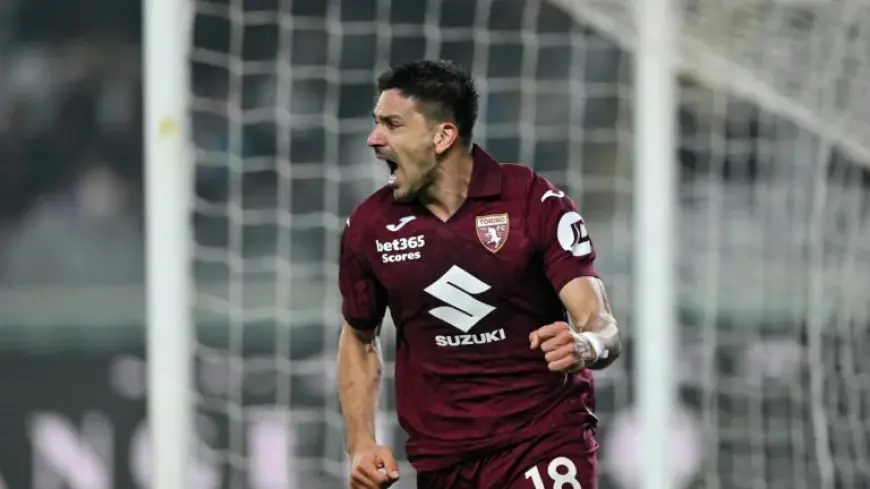
Torino – Parma turns on Simeone’s 3rd-minute strike and Pellegrino’s header
The confirmed state is a 1-1 live scoreline, with Torino first in front through Cholito Simeone after roughly three minutes, and Parma leveling through a header scored by Pellegrino. The opening goal carried an immediate subplot: Suzuki, back in goal after several months, allowed Simeone’s angled finish to slip through his legs, with responsibility attributed to the goalkeeper in the live descriptions. That sequence created a template for what has followed—moments, not long spells, deciding the scoreboard.
Beyond the goals, the live flow described Torino as circulating the ball with conviction and managing the game for long stretches, working from right to left before delivering crosses. One such action saw a cross by Obrador end with the ball reaching Coco, who took a rushed shot. Parma also showed a direct threat: Strefezza played a ball in behind Torino’s defense, yet it found none of his teammates, a missed chance that hints at how thin the margins have been in attack.
Fabio Maresca, Suzuki, and Cremaschi become the immediate drivers
Three specific forces in the context are shaping the trajectory of torino – parma in real time: the match officiating profile, the goalkeeper storyline, and a potential injury disruption. Torino-Parma is refereed by Fabio Maresca, with assistants Cecconi and Zingarelli; Mucera is the fourth official, while Ghersini is on VAR and Aureliano is AVAR. The context also notes a stark trend tied to Maresca: Parma has never won with him as referee, with a record across Serie A and B listed as five losses and one draw. That does not determine the present match, but it frames how Parma’s night is being watched for whether it can finally flip that pattern.
Suzuki’s return after several months is already central. The early mistake directly impacted the opening phase, and that kind of event can influence decision-making from both benches: attackers may test him more often, and defenders may adjust their risk tolerance when playing out or holding a line.
Then there is the most immediate variable: Benjamin Cremaschi’s left knee problem. He went down in pain, received medical attention, left the field, returned, then later came off in tears while still on his feet, replaced by Sasha Britschgi. In a game already shaped by sharp moments, an enforced substitution can shift matchups, spacing, and set-piece responsibilities without warning.
D’Aversa and Cuesta lineups show two-striker intent versus support play
Lineup choices underline the direction of play described in the live text. Torino, coached by D’Aversa, set up in a 3-4-2-1 and also appeared in a 3-4-1-2 listing, featuring Paleari; Coco, Ismajli, Ebosse; Pedersen, Ilkhan, Gineitis, Obrador; Vlasic; Adams, Simeone. Parma, coached by Cuesta, is shown in a 5-3-2 and a 3-5-1-1 listing with Suzuki; Delprato, Troilo, Circati; Cremaschi, Ordonez, Keita, Sorensen, Valeri; Strefezza; Pellegrino. The live notes also highlight D’Aversa using a “double center forward, ” while Cuesta positions Strefezza in support of Pellegrino—choices that align with Torino’s crossing and Parma’s attempt to find a runner behind the defense.
Based on context data
- 8: 49 pm ET: Torino takes the lead through Simeone after less than three minutes; Suzuki beaten at the near angle with the ball through his legs.
- 8: 57 pm ET: Cremaschi suffers a left-knee injury and exits in tears; Sasha Britschgi replaces him.
- Live state: 1-1 after Pellegrino scores the equalizer with a header.
If Suzuki’s confidence remains a factor, Torino’s next chances may come quickly
If Suzuki’s early error continues to influence the game, the context suggests a clear direction: Torino may keep targeting him with shots from awkward angles and deliveries that force fast decisions. The first goal came from a tight position and still produced a decisive mistake; Torino’s described activity across the width and willingness to cross through Obrador points toward repeated tests rather than waiting for a perfect opening. That scenario stays grounded in what has already happened: one direct error changed the scoreline immediately.
Should Cremaschi’s substitution reshape Parma’s structure, Parma’s next phase could hinge on whether Britschgi can replicate the work Cremaschi was providing in the listed shape. The context does not specify roles beyond the formations, but it does confirm an unplanned change triggered by injury. In a match where Parma’s attacking sequences include balls played in behind and a headed equalizer, small alterations in service and spacing could become decisive in the next key moment.
The next confirmed signal from the context is the match’s live progression immediately after the 1-1 equalizer and the already-made injury substitution, both of which set the stakes for the remaining phases. What the context does not resolve is the timing of the equalizer or how either coach adjusts from here with further substitutions or tactical switches. For now, the clearest trajectory is that single incidents—an early goalkeeping error and a forced change—are already steering how the rest of Torino-Parma is likely to be contested.