Suv crackdown looms as Khan weighs new London charge

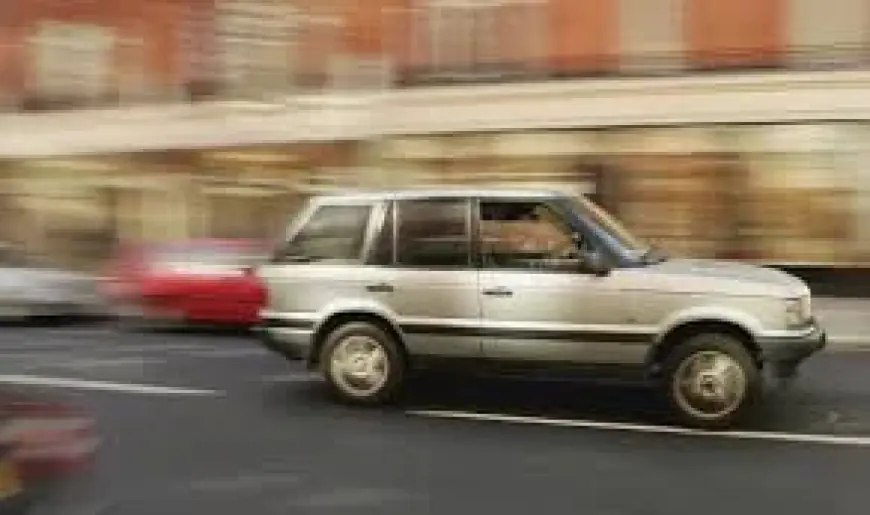
London mayor Sadiq Khan is considering new charges on suv drivers after Transport for London research said large SUVs create “intensifying risks” and City Hall figures show about 800, 000 SUVs in London in 2023. The proposal, published within a relaunched Vision Zero action plan that aims to eliminate death and serious injury by 2041, signals possible levies and tighter rules on oversized vehicles.
Sadiq Khan and Suv charges
The confirmed development is that the mayor is exploring additional charges targeted at large vehicles as part of a Vision Zero relaunch that lists 43 actions, including using AI to detect dangerous drivers, more 20mph limits and 1, 000 new pedestrian crossings. The pattern suggests City Hall is moving beyond speed and road design measures to use pricing as a lever, because the action plan links larger vehicles directly to increasing risk on streets where people walk and cycle.
TfL Vision Zero findings
Transport for London has contributed research framing large SUVs as creating “intensifying risks across London, ” and the mayor has cited statistics he described as showing much greater lethality for children struck by such vehicles. Sadiq Khan said, for example, that a child hit by a large SUV is 77% more likely to be killed and that those under nine are three times more likely to die; he has also asked the Metropolitan Police to consider scaling down use of an armoured vehicle. The figures point to why the policy conversation includes both public levies and scrutiny of official vehicle fleets.
City Hall, Clean Cities figures
Campaign group Clean Cities provided the numeric backdrop: about 800, 000 SUVs were in London in 2023, up from roughly 80, 000 in 2002, a tenfold increase. Vision Zero analysis adds that half of new cars are now too wide for minimum parking spaces, that large SUVs take up more road space and block sight lines needed to cross safely. The consequence is tangible: TfL and the mayor link bigger vehicles to hazards for pedestrians and cyclists, pressure on parking and congestion, and potential slowing of bus services on narrow streets.
City Hall Conservatives, through their transport spokesperson Thomas Turrell, described the idea as “ridiculous, ” arguing the plan reflects an ideological agenda rather than road safety priorities. At the same time, the Society of Motor Manufacturers and Traders, led by Mike Hawes, warned such measures could unfairly penalise drivers and noted manufacturers sell cars certified to safety and pedestrian protection standards. That contrast illustrates the political friction likely to follow any charge or restriction aimed at specific vehicle sizes.
For now, the next confirmed step is further analysis: TfL will carry out its own research this year and the mayor has said any policy would only be proposed after “detailed analysis. ” If TfL’s work validates the Vision Zero safety findings, the data suggests the city could move to define the largest suv models by weight and dimensions and then design targeted charges or restrictions tied to those thresholds.