June Marlow’s Death Signals End of an Era for Plymouth Entertainment

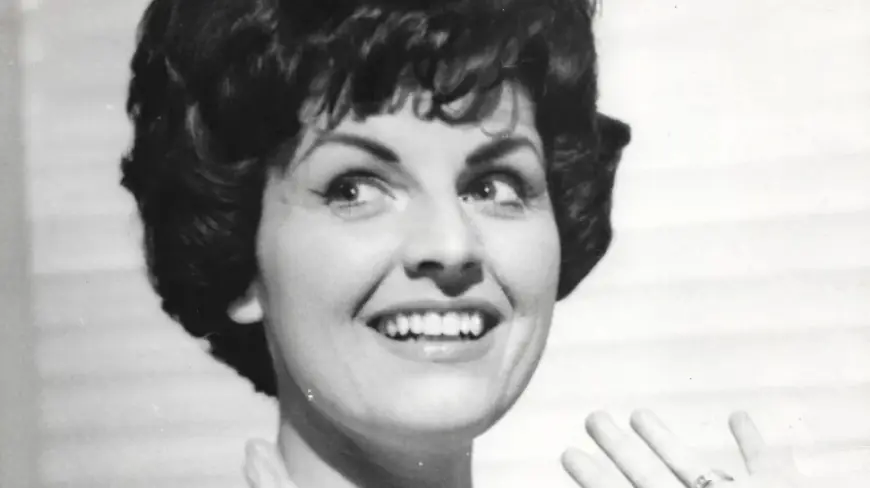
Jean Dike, the Plymouth-born performer who used the stage name june marlow, died on 22 February at age 95, surrounded by family in her Sutton Harbour flat. Her passing closes a life that combined early national recordings with steady television work, and it points toward renewed attention on her screen legacy and the role of home hospice care in her final weeks.
Jean Dike’s final weeks in Sutton Harbour and family care
Jean Dike spent her last weeks in the apartment she had called home for 35 years, overlooking Sutton Harbour, and died there on 22 February. Kate Van Dike, her daughter, relocated to provide round‑the‑clock care, and staff from St Luke’s Hospice Plymouth supported the household through those final days. Kate described the hospice visits as timely and tender, and her gratitude for that support is a specific element family members have highlighted since the death.
June Marlow’s television and recording milestones on and ITV
As june marlow, Jean recorded professionally at 13 with the Concert Orchestra and toured after an Opportunity Knocks appearance with Hughie Green. Her television credits, as cited in recent coverage, included productions such as The Pickwick Papers, Jamaica Inn and the children’s drama MI High, and later appearances on ITV’s Doc Martin. Her final television role came at age 87, when she played Ethel, a casualty patient who had tumbled and pierced her hand on a corroded nail.
St Luke’s Hospice Plymouth, Kate Van Dike and a family legacy
Coverage of Jean’s death highlights both a public career and a private life: she was a glamorous singing star, a character actress and a matriarch in a large, artistic family. Born Jean Moulder on 15 January 1931 and raised in Plymouth’s Barbican, she began performing publicly during the Second World War at about nine or 10 years old. Her marriage to Peter Van Dike lasted 40 years until his death in 1988, and her first child, Greg, was born when she was 19 in 1950. These particulars underline why family presence and hospice support became central elements of her final chapter.
Visible forces in the coverage include the emphasis on local roots — Plymouth’s Barbican and Sutton Harbour recur in the narrative — and on institutions that framed her life and death, namely the, ITV and St Luke’s Hospice Plymouth. Reported memories stress dignity, elegance and a steady commitment to performance from childhood impersonations to late‑life television work. That mix of sustained regional affection and a documented record of screen appearances shapes the immediate direction of public memory.
Scenario A: If public attention follows past tributes and broadcasting
If broadcasters or archives foreground her and ITV appearances, June Marlow’s screen presence could be reintroduced to new audiences. The context lists specific programmes and a final credited role at 87, so any decision to rebroadcast or compile highlights would directly raise her visibility and expose younger viewers to the recordings cited in the coverage.
Scenario B: Should focus remain on hospice and family care
Should media and community attention concentrate instead on the hospice‑at‑home model described in the context — with Kate Van Dike’s relocation and the care from St Luke’s Hospice Plymouth highlighted — the narrative that persists will be about end‑of‑life care for aging performers and family caregiving, rather than renewed screen exposure. The context places equal weight on both elements, making either path plausible.
What the context does not resolve is whether broadcasters will schedule tributes or archive releases that could change how widely Jean Dike’s television work is seen. The next confirmed signal that would shift this forecast would be an announced rebroadcast or curated archive release by the or ITV. For now, the confirmed milestones are her birth on 15 January 1931, a recording with the Concert Orchestra at 13, a final TV role at 87, and her death on 22 February — facts that will anchor how June Marlow is remembered and reassessed in the weeks ahead.