US Temporarily Eases Russian Oil Sanctions Despite Evidence of Windfall for Russia

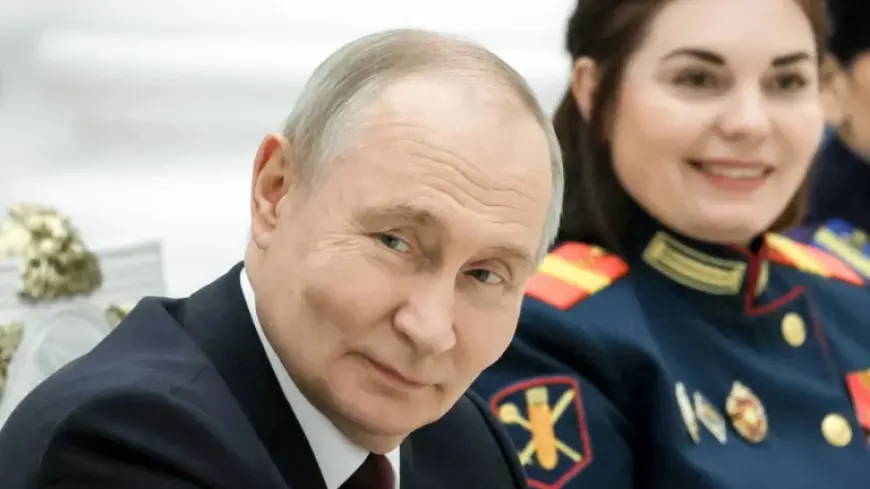
The Trump administration has authorised a temporary relaxation of Russian Oil Sanctions that allows stranded cargoes to be sold. This article examines the gap between Washington’s claim that the move is narrowly tailored and short term and documented facts showing Russia has already seen large extra oil revenues and new customers.
Scott Bessent and the Trump administration’s temporary authorisation
Confirmed: Scott Bessent, the US Treasury secretary, announced a temporary authorisation allowing countries to buy stranded Russian oil for 30 days. Confirmed: Bessent described the measure as “narrowly tailored” and “short term, ” saying it “applies only to oil already in transit” and “will not provide significant financial benefit to the Russian government, ” because most energy revenue is derived from taxes assessed at extraction.
Documented: The authorisation followed a sharp rise in fuel prices that US they were trying to counter; the same record notes that average US fuel prices had risen substantially in a month, prompting the administration to act. Open question: What remains unclear is how the authorised sales will interact with the tax and export arrangements that determine whether revenue flows to the Russian state or other actors.
Russian Oil Sanctions and Russia’s reported revenue gains
Documented: The record shows Russia has been pocketing as much as $150m a day in extra oil revenues amid the Iran crisis, after disruptions in global energy supplies pushed demand higher in buyers such as China and India. Documented: The lifting of restrictions on stranded cargoes gives Russia additional potential customers; individual countries have already signalled readiness to buy Russian oil that was previously constrained.
Confirmed: There were about 124 million barrels of Russian-origin oil on water as of Thursday, creating a stock of cargoes whose destination and sale terms matter to how revenue is allocated. Open question: The context does not confirm how sales of those specific cargoes will be taxed or whether the proceeds from their resale will translate into increased fiscal receipts for the Russian government.
Friedrich Merz and European objections to easing sanctions
Confirmed: German Chancellor Friedrich Merz publicly rebuked the US decision, saying easing the sanctions was wrong and calling for increased pressure on Moscow over the Ukraine war. Confirmed: Germany’s economics minister expressed concern that the measure could “continue to fill Putin’s war coffers” by allowing Russia to benefit financially from higher prices driven by the Middle East conflict.
Documented: Other European leaders also voiced opposition, arguing that disruption of shipping through the strait of Hormuz did not justify relaxing measures targeting Russian energy. Documented: Moscow framed the authorisation as an acknowledgement that global markets cannot remain stable without its oil, a claim echoed by a Russian economic official in the record. Open question: What remains unclear is whether the temporary authorisation will create lasting diplomatic splits within the transatlantic alliance or whether it will be strictly limited to the 30-day window described by US officials.
Confirmed: The central tension rests on two documented claims in the record — that the US has framed the authorisation as narrowly tailored and unlikely to benefit Russia financially, and that Russia is already capturing sizeable extra oil revenues and gaining customers. If it is confirmed that the temporarily authorised sales result in additional revenue collected at the point of extraction, it would establish that the measure provides significant financial benefit to the Russian government.