Rupert Murdoch dynasty film exposes family succession plan

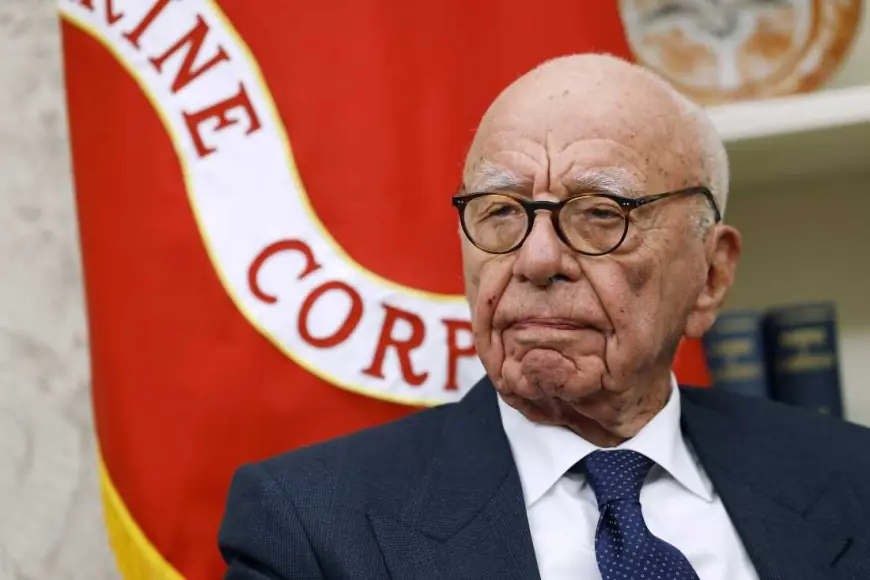
Netflix’s four-part documentary about the Murdoch family focuses on Rupert Murdoch and his children, tracing a history of media growth, scandal and a secret scheme called Project Family Harmony. The film shows how a plan by Rupert and Lachlan to alter a family trust could strip equal voting rights from Prudence, James and Elisabeth, and it frames those moves through comparisons to Succession.
Rupert Murdoch Project Family Harmony
The documentary confirms a secret plan—named Project Family Harmony—by Rupert and Lachlan to change a family trust, nullifying the siblings’ equal voting rights and giving Lachlan control after Rupert’s death. The pattern suggests the trust alteration is aimed at preserving a particular editorial direction: the film links Project Family Harmony directly to keeping the business operating “in the interests of conservative politics” and to blocking James from pulling the company leftwards.
Murdoch Children and Succession
Critics in the film repeatedly match Prudence, Lachlan, James and Elisabeth to characters from Jesse Armstrong’s TV series Succession; Jim Rutenberg’s quip—”To explain the Murdochs, you have to understand the television show Succession”—serves as the documentary’s framing device. The pattern suggests the comparison matters because the Succession template helps viewers read family manoeuvrings as strategic jockeying for control rather than pure personal drama, and the film repeatedly returns to the point that the siblings are overshadowed by their father.
News of the World Scandals
Archive material and interviews revisit the News of the World phone-hacking scandals, sexual-harassment allegations and the editorial shifts at the News of the World and the New York Post; Paul McMullan recounts editor Rebekah Brooks striding through the office and shouting, “This is shit. This is shit!” The pattern suggests these episodes are presented not as isolated wrongs but as part of the institutional environment that made Murdoch’s more combative, populist outlets politically consequential—an image reinforced when Hugh Grant calls Rupert “a proper danger to liberal democracies. “
Several concrete career moves are detailed: the film cites Murdoch’s endorsement of Ronald Reagan and links Reagan-era deregulation to Murdoch’s ability to launch the Fox network, and it notes a later U-turn when Donald Trump, once called a “fucking idiot” by Murdoch in the film, became a political force. The pattern suggests these strategic endorsements and reversals illustrate how Murdoch’s media decisions were tied to political influence rather than journalistic neutrality.
The documentary also includes personal anecdotes—Rupert cheating at family Monopoly, sitting on the tube observing what people read, and neglecting young children so much that James thought his father was going deaf—and it even relays a jaw-dropping claim that Rupert’s second wife killed a woman with her car, a story the film says has “seemingly no trace. ” The pattern suggests these vignettes are used to humanize and complicate the portrait of a man who remains the dominant figure in the narrative.
Notably, the family itself does not participate: the film proceeds “in the notable absence of any input from the family, ” relying on longtime Murdoch-profiling journalists, extensive archive material and a brief cameo from Hugh Grant. For now, the documentary frames the Murdoch succession more as a question of institutional control than as ordinary inheritance drama.
What remains open is whether Project Family Harmony will be implemented as the film describes; the documentary reveals the plan but offers no confirmation from the family about its legal status or outcome. If the trust changes are executed as shown, the film’s material suggests Lachlan would gain decisive voting control and the company’s political orientation would likely be preserved in a conservative direction.