Rupert Murdoch vs Succession: What the comparison reveals about power and family

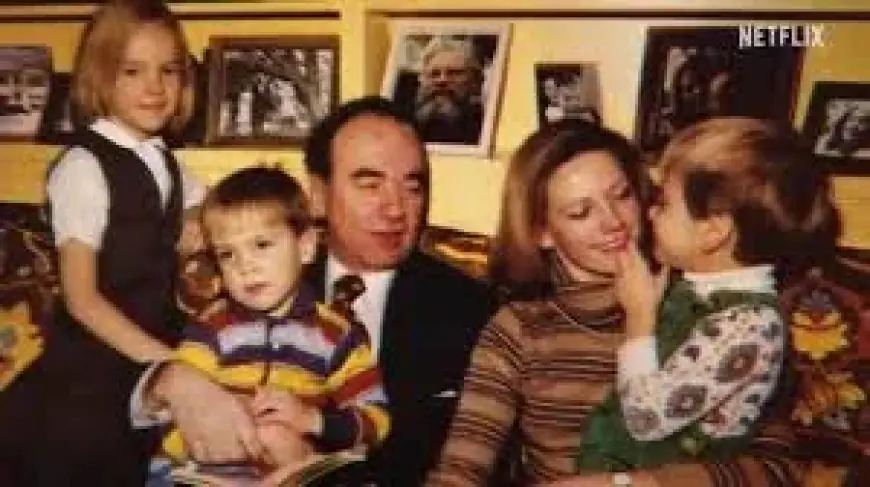
The four-part documentary and the drama Succession both turn to the same subject — the Murdoch family — to examine succession, influence and intra-family rivalry. This comparison asks which form better explains the stakes: does the documentary’s exhaustive archive and reportage illuminate rupert murdoch’s empire, or does Succession’s dramatized narrative sharpen the moral and personal dynamics?
Rupert Murdoch in the documentary: four-part sweep of empire and scandal
The documentary lays out a wide chronology of Rupert Murdoch’s rise, using extensive archive material and long‑time Murdoch‑profiling journalists in a four‑part format. It traces his transformation into a media behemoth and political kingmaker, citing his revamps of News of the World and the New York Post and an endorsement of Ronald Reagan that preceded a launch of the Fox network after deregulation. It also covers the phone‑hacking and sexual‑harassment scandals that enveloped News of the World and alumni, and includes on‑the‑record testimony from figures such as former News of the World reporter Paul McMullan recounting editor Rebekah Brooks’s behavior in the office. The film intercuts these archives with gentler anecdotes — stories of Murdoch cheating at Monopoly, riding the tube and noting what people read, and his children’s recollection that James thought his father was going deaf — while also running a jaw‑dropping, apparently untraced claim about Murdoch’s second wife.
Succession and Jesse Armstrong’s Logan Roy: a dramatized mirror for the Murdoch siblings
Early in the documentary, writer Jim Rutenberg quips that “to explain the Murdochs, you have to understand the television show Succession, ” and the film repeatedly aligns Jesse Armstrong’s Logan Roy and his warring children with Rupert Murdoch and his offspring. The documentary pairs the eldest siblings — Prudence, Lachlan, James and Elisabeth — with Succession counterparts, calling out Lachlan as the dutiful favourite, James as the problem child and Elisabeth as brilliant but overlooked. Succession is invoked as a narrative shorthand and a dramatic frame; its fictional clarity and dark comedy provide a contrast to the documentary’s sprawling material and to the film’s own non‑chronological editing choices.
Project Family Harmony and Succession: where documentary facts and fictional focus diverge
The clearest point of divergence is the documentary’s revelation of a secret plan, Project Family Harmony, in which Rupert and Lachlan sought to change a family trust to nullify equal voting rights and give Lachlan control after Rupert’s death. The documentary presents that plan as a concrete move to keep the business operating in conservative interests and to prevent James from pulling the company leftwards. In contrast, Succession concentrates narrative energy on interpersonal cruelty, power plays and moral bankruptcy, packaging themes into compact familial scenes. Applying the same criteria — clarity of succession mechanics, depiction of political influence, and emotional resonance — the documentary scores higher on documented mechanics (Project Family Harmony, archival scandals, named actors such as Paul McMullan and Rebekah Brooks) while the drama scores higher on moral clarity and character shaping (Logan Roy’s familial domination made legible through focused scenes).
Analysis: the documentary’s lack of family input and its sprawling archive make it an exhaustive chronicle rather than a tight moral fable; Succession’s fictional compressions make motives and consequences feel cleaner, even if invented. A cameo in the documentary from Hugh Grant labeling Murdoch “a proper danger to liberal democracies” frames the film’s political concern, while the secret trust plan provides the documentary’s most direct evidence of succession maneuvering.
Finding: The comparison establishes that the documentary explains the structural mechanics of succession and political influence, while Succession explains the emotional and moral logic of familial power. The next confirmed event that will test this finding is Rupert’s death and what happens to the family trust thereafter. If Project Family Harmony is implemented after Rupert’s death, the comparison suggests Lachlan’s control will be decisive; if the trust changes do not stick, the comparison suggests Succession’s warning about concentrated power will remain a compelling but incomplete lens.