Islamabad Airport: PAA Reassurance vs Media Claims of Airspace Closure

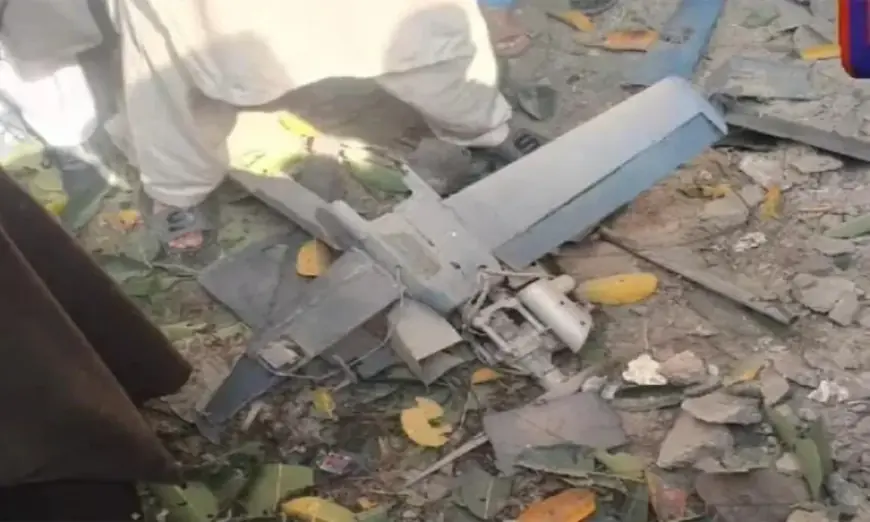
Pakistan Airports Authority statements about operations at Islamabad Airport and separate media accounts of a grounding after a drone sighting near Rawalpindi have diverged. Which account better reflects what happened to flights and public safety is the question this comparison answers.
Pakistan Airports Authority on Islamabad International Airport operations
Security that two rudimentary drones were intercepted and brought down at locations adjacent to Rawalpindi, and that no damage or casualties were reported. Agency messaging referenced a deleted post that described a “brief operational adjustment” at Islamabad International Airport, and later insisted that reports of a closure were baseless. The authority stated that flight operations were continuing without interruption and that all flights were operating schedule, and it advised the public not to pay attention to unverified or misleading reports.
Security agencies, drone sighting and the Red Zone sealing
Separate accounts described Islamabad’s airspace as having been closed or flights grounded for “operational reasons” after an unidentified drone was spotted in the capital’s airspace on Friday. security agencies assessed the threat and that the Red Zone area remained sealed after the sighting. Those accounts placed the incident in the context of regional instability involving the US and Iran, and they noted that security agencies were investigating the origin of the drone.
Comparison: Pakistan Airports Authority statements versus media closure claims for Islamabad Airport
On the criterion of immediate operational outcome, the Pakistan Airports Authority presented a continuous-operations narrative: flights operating schedule and earlier reports of closure called “baseless. ” By contrast, media accounts and statements that cited security agency assessments described a precautionary grounding or temporary closure for “operational reasons. ” Both sides refer to the same security trigger: a drone or drones near Rawalpindi and in the capital’s airspace. The PAA emphasized restoration and routine scheduling; other accounts emphasized precautionary interruption while security agencies assessed the threat.
On public messaging and clarity, the two narratives diverged. The authority’s later statement aimed to reassure travelers and to counter earlier circulating claims; the other accounts focused on the action taken by security agencies, including sealing the Red Zone and urging public caution. Both strands include named actors: Pakistan Airports Authority, security agencies, and officials who said the drone was under investigation.
Analysis: The divergence stems from different institutional priorities and emphasis. The Pakistan Airports Authority prioritized operational continuity for Islamabad Airport, framing the event as a resolved operational adjustment. Security agencies and some media emphasized immediate risk mitigation steps and area sealing while they investigated. Labeling these as competing accounts is analysis, not a settled fact; both present verifiable items—interception of drones, a deleted operational-adjustment post, and a subsequent PAA assertion that flights continued.
Factually, both sides agree on key elements: a drone sighting, interception actions near Rawalpindi, and an investigation into the drone’s origin. They differ on how prolonged or disruptive the impact on flights was and on which frame—the reassurance of ongoing schedules or the precautionary grounding—best describes the experience of travelers and officials at the time.
Finding: The comparison establishes that while operational adjustments occurred, the authoritative operational status ultimately presented by the Pakistan Airports Authority was that flights at Islamabad Airport were operating schedule. The next confirmed event that will test this finding is the outcome of the security agencies’ investigation into the drone origin and threat assessment. If the investigation confirms the drone poses only a limited risk and no further incidents follow, the comparison suggests Islamabad Airport operations will remain normal; if the investigation finds a sustained or external threat, the precautionary framing and area restrictions could reappear in official practice.