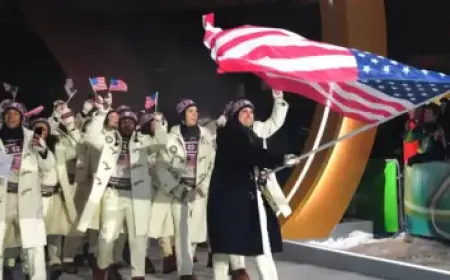
Chinese Taipei Chant Ejection Reveals Clash Between Name Policy and Fan Expression


China coach Ante Milicic urged his players to remain “calm and confident” ahead of a charged Women’s Asian Cup quarterfinal against Taiwan. That match and the ejection of former Taiwan coach Chen Kuei-jen for leading a “Taiwan Jiayu” chant expose a tension between the island competing as chinese taipei and crowd expressions that invoke “Taiwan. “
Ante Milicic and Chen Kuei-jen: Confirmed match actions and crowd incidents
Confirmed fact: Ante Milicic told his China squad to “remain calm and confident” before the quarterfinal in Perth, framing the fixture as a high-pressure encounter against a team he described as improved and capable of giving strong opposition. Confirmed fact: Taiwan’s coach Prasobchoke Chokemor emphasized focusing on football and noted his side performed well against Japan, holding them to a 0-0 first half and then winning two subsequent matches in the tournament.
Confirmed fact: During Taiwan’s last game, in Sydney against India, former Taiwan coach Chen Kuei-jen was ejected from the stadium for leading a “Taiwan Jiayu” or “Go Taiwan” chant. Confirmed fact: Chen’s removal prompted Taiwan’s foreign ministry to lodge a protest with the Asian Football Confederation over what it described as “unequal treatment. “
Chinese Taipei Naming Compromise vs ‘Taiwan’ Chant Enforcement
Documented fact: Taiwan compete under the name “Chinese Taipei” in international sports events, a setup the context describes as a political compromise with China that allows the island to take part in major competitions without presenting itself as a sovereign nation. Documented fact: China claims Taiwan as part of its territory, a political reality the context explicitly states.
What remains unclear is how stadium enforcement and event protocols intersect with that naming compromise. The context does not confirm the specific rule or policy that led to Chen Kuei-jen’s ejection, nor does it detail whether the action targeted the chant’s wording, the act of leading the chant, or another behavior. The removal and the subsequent protest together document a gap between the formal name under which the team competes and the language fans or officials use in the stands.
Women’s Asian Cup in Perth Shows Stakes for Chinese Taipei and China
Confirmed fact: At stake in the quarterfinal is a place in the semifinals and qualification implications for the 2027 World Cup, with the top six finishers booking their tickets to the Brazil tournament. Confirmed fact: China, the reigning champions, is chasing a record-extending 10th continental title while wary of a Taiwan side that has grown into the competition and enjoyed strong support in Australia.
Documented pattern: The tournament has combined clear sporting consequences with politically charged incidents. China’s public call for composure and Taiwan’s continued fan backing sit alongside the stadium ejection and a formal protest to the Asian Football Confederation, creating a recurrent scene where competitive stakes and symbolic expressions overlap. The pattern in the context shows both teams drawing strong backing and the event producing moments that shift focus from pure competition to political symbolism.
What would resolve the core question is a formal ruling or explanation from the Asian Football Confederation about Chen Kuei-jen’s ejection and the grounds for the foreign ministry’s protest. If the Asian Football Confederation upholds Taiwan’s foreign ministry protest over “unequal treatment, ” it would establish that match enforcement or stadium procedures were judged inconsistent with equal treatment standards; if the confederation rejects the protest, it would establish that officials or stewards acted within the rules applied at the match.