F1tv: Melbourne showed Ferrari pace, but strategy failed

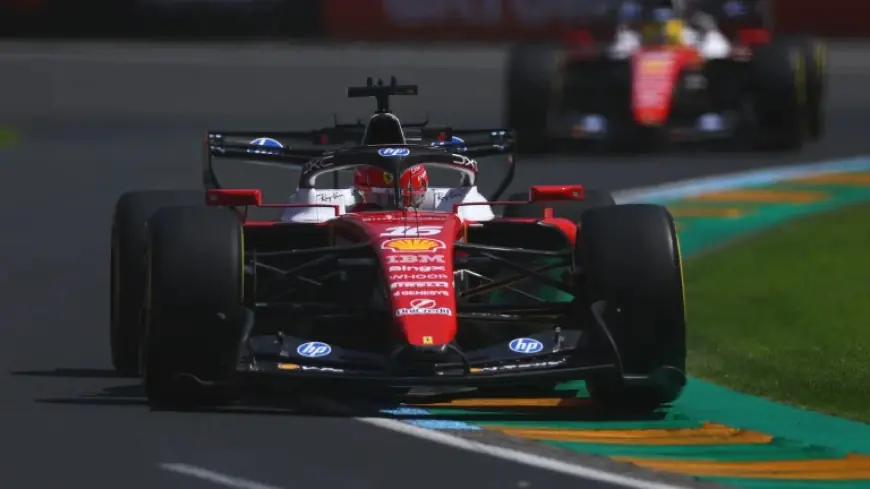
Mercedes claimed a one-two in Melbourne as George Russell underlined his championship credentials with a straightforward drive and Charles Leclerc finished 15. 5s down despite storming into the lead from fourth; f1tv. The result reveals that Ferrari’s opening-lap pace can create clear opportunities, but team decisions during the race have so far prevented those opportunities from being converted into victory.
Ferrari race starts in Melbourne
Charles Leclerc surged into the lead out of Turn 1 in Melbourne after starting fourth, and the SF-26’s smaller turbo is singled out in the context as the likely reason behind Ferrari’s lightning-fast race starts. The pattern suggests Ferrari’s hardware is delivering a clear first-lap advantage that can be decisive at the start, but pace alone does not guarantee a final result.
Mercedes one-two in Melbourne
Mercedes took victory with George Russell first and Kimi Antonelli second, while Lewis Hamilton vaulted from seventh on the grid (effectively P6 after Oscar Piastri’s pre-race accident) to third by the end of the opening lap and was described as very upbeat after the race. The figures point to Mercedes converting race management and in-race calls into sustained track position and a race-winning outcome despite others’ strong opening pace.
F1tv scrutiny of Ferrari strategy
Ferrari was one of only three cars — alongside Franco Colapinto’s Alpine — that missed the chance to pit under both early virtual safety cars, and Leclerc ended the race 15. 5s adrift in Melbourne. The pattern suggests those missed pit stops materially damaged Ferrari’s net race time; the context notes that effectively halving pit time under those early VSCs would have produced a markedly different gap to the leaders.
The next confirmed development in the context is the return of Ferrari’s ‘Macarena’ rear wing in 2026 Chinese GP FP1. If Ferrari addresses its pit-call execution in the races that follow, the data suggests the team’s proven opening-lap speed could more reliably translate into podiums and race wins.