Met Office vs. Local Impact: What Weather Glasgow Framing Reveals

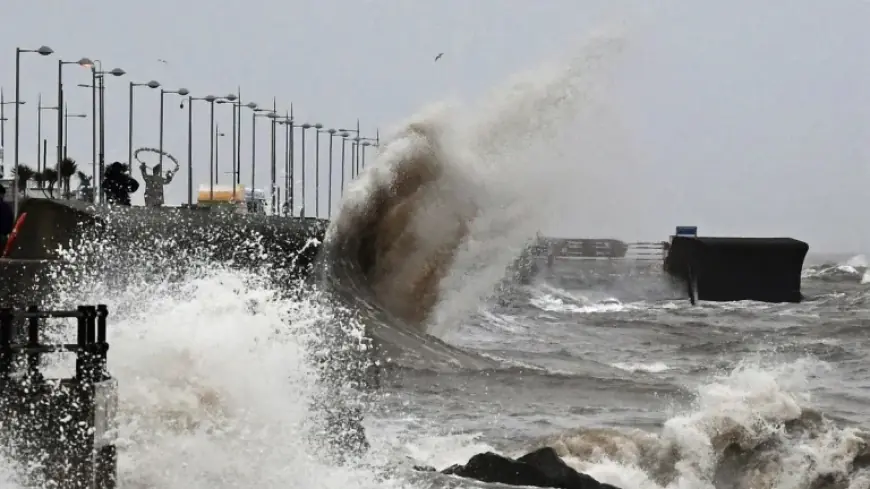
Met Office yellow wind warnings and documented local disruption across the North East, Cumbria and Merseyside form the two sides of this comparison. The question: do national warnings and their timing better predict where travel, events and services were disrupted — framed here under the banner Weather Glasgow?
Met Office: yellow warnings, gust forecasts and timing
The Met Office issued yellow wind warnings that cover large swathes of the UK, with one warning coming into force at 05: 00 GMT (12: 00 am ET) and remaining valid until 20: 00 GMT (3: 00 pm ET) across North Wales, northern England and parts of Scotland. Forecasters set widely expected gusts at 50–55mph, with coastal and downwind high ground seeing 60mph or even 70mph in places; gusts of up to and in excess of 70mph were recorded in northern and western Scotland on Wednesday morning and one warning expired at midday (12: 00 pm GMT, 7: 00 am ET). The national guidance flagged risks to ferries, flights and high-sided vehicles on bridges as likely to cause minor travel disruption into the afternoon.
North East and Cumbria: measured gusts, road closures and cancelled events
In the north-east of England and Cumbria, wind warnings were in force until 20: 00 GMT (3: 00 pm ET) as strong gusts produced tangible disruption. Hexham Racecourse abandoned a seven-race meeting after a morning inspection measured gusts of 50mph; roads were flooded and impassable in Cumbria, and routes such as the A66 between Bowes and Brough and the A19 Tees Viaduct were closed to high-sided vehicles. Local authorities recorded fallen trees blocking roads and cancelled Carlisle Market as a precaution, while multiple household waste recycling sites and tips were shut by councils in the area.
Merseyside and Weather Glasgow: predicted gusts and on-street incidents
Merseyside experienced strong winds during a yellow warning that covered Liverpool and surrounding areas, with the warning in place on Thursday, March 12 until 8: 00 pm (8: 00 pm GMT, 3: 00 pm ET). Forecast guidance there noted gusts up to 70mph in a few places, and the blustery conditions produced fallen trees, debris and localized closures. A bus service was diverted after a tree fell on Bowring Park Road, and a busy road in Old Swan was closed after strong winds dislodged a metal sheet from a roof; emergency crews attended an incident reported around 2: 30 pm (2: 30 pm local, 9: 30 am ET). Forecasts for the following day showed calmer conditions, with the highest gust predicted at 37mph.
| Area | Forecasted gusts | Observed disruption |
|---|---|---|
| Met Office warning footprint | 50–55mph widely; 60–70mph on coasts and hills; recorded 70mph+ in parts of Scotland | Advisories for ferry, flight delays and bridge restrictions for high-sided vehicles |
| North East & Cumbria | Regions covered by warnings until 20: 00 GMT (3: 00 pm ET) | Race meeting abandoned after 50mph gusts; flooded roads; tip closures and market cancelled |
| Merseyside | Warning in place on March 12 until 8: 00 pm (3: 00 pm ET); gusts up to 70mph in places | Fallen trees and debris; bus diversions and temporary road closures for unsafe structures |
One layer of the comparison is strictly factual: the Met Office set a broad warning footprint and specific timing, while local authorities and operators recorded concrete impacts on races, roads, waste sites and public transport. Another layer is procedural: warnings highlighted potential for ferry and flight delays and restrictions on high-sided vehicles, and those risks materialized regionally where infrastructure and events intersected with the strongest gusts.
Finding: national warnings provided a credible map of where violent gusts could occur, but actual disruption clustered along transport corridors, coastal points and event sites rather than matching the warning footprint uniformly. Analysis: the comparison shows that warnings set the upper bound of expected severity and timing, yet local conditions and vulnerabilities — racecourses, market sites, specific bridges and roadside trees — determined whether forecast risk became tangible disruption. The next confirmed event that will test this finding is the approaching weekend when another deep area of low pressure is due to pass to the south of Iceland with strong winds on its southern flank across the UK; if Met Office warnings again align with closures and cancellations in the same transport and event hotspots, the comparison suggests national warnings effectively flag where local preparedness needs to concentrate.