Shanghai International Circuit Readies Sprint Qualifying F1 with New Straight Mode

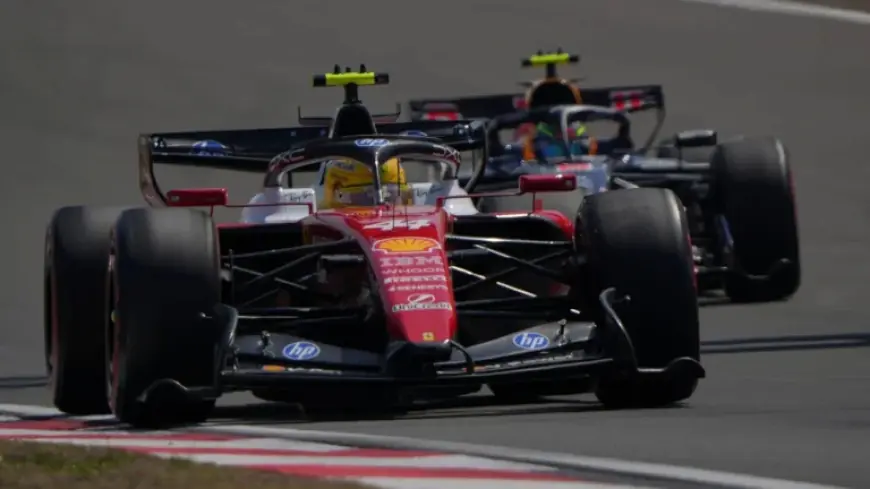
The Formula 1 season continues with Round 2 in China, where the first Sprint weekend will place a premium on setup and speed as teams prepare for sprint qualifying f1 at the Shanghai International Circuit. The event combines a resurfaced track that produced higher grip but tyre graining after the 2025 works with a 2026 aerodynamic change called Straight Mode that will be used automatically in dry zones.
Shanghai International Circuit: resurfacing, layout and session structure
The Shanghai International Circuit was resurfaced ahead of the 2025 event, a change that massively increased grip but also saw drivers struggle with graining on their tyres; the venue returned to the calendar in 2024 after a break between 2020 and 2023. The track features one of the longest straights on the calendar at 1. 2km and a twisty start sequence that leads into high g-force Turns 7 and 8, and organisers are offering only one practice session before sprint qualifying f1 this Sprint weekend.
Ferrari, Straight Mode and aerodynamic variables for the 2026 Chinese GP FP1
New for the 2026 season, Straight Mode changes aero balance by reducing drag both rear- and front-wing movement and will be automatically used on every lap in dry conditions in the designated zones; the 2026 Chinese GP FP1 also featured the return of Ferrari’s ‘Macarena’ rear wing. The circuit’s heavy braking zones, noted as similar to pre-season testing in Bahrain, and the technical nature of Shanghai will test teams’ ability to marry Straight Mode deployment with tyre life and braking performance.
Sprint Qualifying F1 at Shanghai International Circuit: Two conditional scenarios
Based on context facts, two clear conditional scenarios emerge for Sprint Qualifying F1 at the Shanghai International Circuit.
If the one-practice-session format ahead of sprint qualifying f1 continues and Straight Mode is automatically used on every dry lap, teams will face compressed time to validate low-drag front- and rear-wing compromises. That pattern—only one practice session on offer and compulsory Straight Mode in dry zones—will force set-up choices to be proven quickly, making FP1 data and any aerodynamic tests in that session disproportionately important.
Should the graining that followed the 2025 resurfacing persist into this Sprint weekend, tyre management will become a larger variable across short-format sessions and the Sprint itself. Given Shanghai’s long 1. 2km straight and high-speed corner sequences that stress the left-front tyre, continued graining would push teams to prioritise tyre preservation even as Straight Mode encourages lower drag and higher top speed.
Based on context data:
- Round 2 in China is a first Sprint weekend for the season.
- The Shanghai International Circuit was resurfaced ahead of the 2025 event and later returned to the calendar in 2024 after a 2020–2023 break.
- Straight Mode will be automatically used on every lap in dry conditions in designated zones.
FP1’s appearance of Ferrari’s ‘Macarena’ rear wing in 2026 Chinese GP FP1 serves as an early data point on how teams will test aero options under these constraints. For now, teams and drivers must balance the higher grip reported after resurfacing with the graining issues that followed, while adapting to Straight Mode’s automatic use.
Next confirmed milestone in the context is Sprint Qualifying itself at Round 2 in China, which will provide the first clear comparison of setups under the one-practice-plus-Straight Mode conditions. What the context does not resolve is how persistent the 2025 resurfacing’s graining will be during Sprint Qualifying and the Sprint race; Sprint Qualifying will supply the first measurable signal to resolve that question and show which teams turned FP1 adjustments into competitive advantage.