Big 12 Court change remains unclear after unsupported browser blocks access

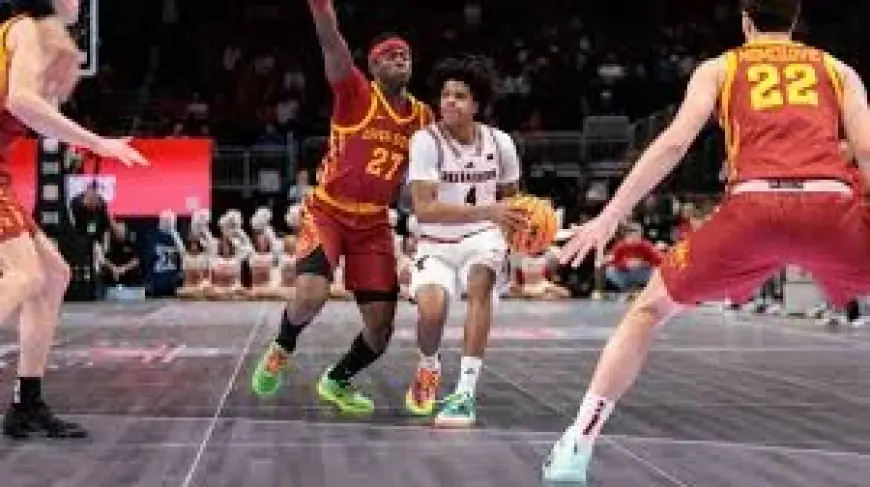
Readers searching for answers about the big 12 court instead run into a dead end: a notice that their browser is not supported. The page signals that the site was built to use newer technology and asks users to download a different browser for the best experience, but it provides no accessible reporting in the material available here.
cjonline. com and the story readers cannot reach
The only text provided is a technical message tied to cjonline. com, explaining that the site was designed to be “faster and easier to use” by taking advantage of the latest technology. In the same breath, it states that the current browser is not supported and directs readers to download one of several browsers to continue.
What is missing, in this context, is the very substance a reader might expect to find behind that gate: the details that would clarify what happened, who was affected, and what decisions followed. The headlines supplied alongside this prompt point to a specific controversy about the tournament playing surface. Yet the content made available here contains only the compatibility notice, and nothing about the big 12 court itself.
Big 12 Court headlines point to injuries and a floor change
Three headlines define the stakes and the direction of the broader coverage: “Texas Tech’s Anderson strains muscle on Big 12’s glass floor, ” “Big 12 to swap LED glass court for hardwood floor for rest of basketball tournament after players complain, ” and “Big 12 commish appears on after LED floor leads to injury. ”
Those lines sketch a sequence of events: an injury involving Texas Tech’s Anderson, player complaints, a decision to swap an LED glass court for a hardwood floor for the rest of the tournament, and a commissioner’s appearance on after an injury tied to the LED floor. However, within the strict limits of the material provided, there are no additional facts to confirm the setting, timing, or specifics behind those headlines—no direct account of how the injury occurred, no details of the complaints, and no description of what was said during the commissioner’s appearance.
The human reality: when access fails, accountability gets harder
The experience captured in the provided text is simple and frustrating: the moment a reader tries to learn more, the page stops them with a warning. The notice frames the barrier as a matter of user experience and modern technology, but in practice it keeps the public from the reporting that would explain the situation described by the headlines.
For now, the only confirmed information in this context is that the article content is not visible here because of a browser compatibility message. The headlines suggest there is a meaningful, player-centered story about an LED glass floor, an injury, and a tournament-wide change to hardwood. Still, without accessible reporting included in the provided material, those details remain out of reach in this account—leaving the big 12 court question hanging on a technical roadblock rather than an explanation.
Until the reporting itself is available in the provided text, the next concrete step described here is not a policy update or a tournament decision. It is the same instruction the page delivers: readers are told to use a supported browser to see what comes next.