Friday The 13th Finds New Life in Modern Greek Culture

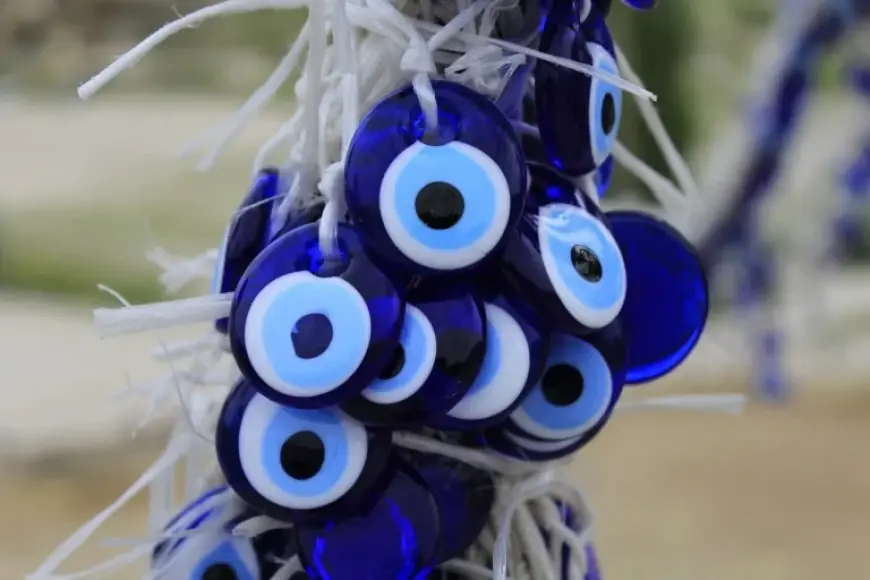
Anglo-Saxon cultural influence has pushed friday the 13th into the foreground of public attention in Greece, even though Greeks long treated Tuesday the 13th as the day of misfortune. That shift is visible alongside the rise of Black Friday as a consumer fixture and a catalogue of Greek superstitions— from the evil eye to ladders that invoke the Holy Trinity.
Friday The 13th in Greece
Media forms such as movies, television and the internet have carried Anglo-Saxon ideas that placed friday the 13th at the forefront for many Greeks, a culture that originally feared Tuesday the 13th. The pattern suggests cultural transmission—popular entertainment and online exposure have altered which calendar dates register as ominous for some people in Greece.
Black Friday has become a fixture in Greek consumer consciousness, and that commercial prominence reinforces attention on any Friday with cultural weight. The figures point to a specific mechanism: when a Friday is already centered in commerce, a Friday the 13th benefits from ready public recognition and discussion.
Greek Orthodox and Superstitions
One pervasive belief is the evil eye, called to mati in Greek, and many Greeks seek out a xematiastra to remove it; that reality shows how spiritual and social remedies remain active in daily life. The analysis indicates that Friday the 13th is being incorporated into an existing superstition ecosystem rather than replacing it outright.
Common practices include alarm at black cats, anxiety over broken mirrors that are said to bring seven years of bad luck, and fear of dried flowers or an old calendar from a previous year. The collection of these specifics demonstrates a cultural readiness to assign misfortune to objects and dates alike.
Kitchen and household omens persist: spilled salt is feared, placing bread upside down is seen as disrespectful to the Lord and may invite poverty, and dropping a spoon is said to mean hungry people will sit at your table. That set of customs suggests everyday actions remain a central register for luck and danger in Greek life.
For Greek Orthodox Christians, the ladder set against a wall forms a triangle and walking underneath it is treated as disrespect for the Holy Trinity. This detail shows how religious frameworks shape even mundane superstitions and how a date like Friday the 13th can interact with theological symbolism.
Whether friday the 13th ultimately displaces Tuesday the 13th in Greek popular belief remains an open question. If Anglo-Saxon media influence and consumer rituals such as Black Friday continue to spread, the data suggests friday the 13th could gain further prominence; if traditional practices tied to the evil eye and religious symbols persist stronger, Tuesday the 13th may remain the dominant day of misfortune in Greece.