Will Forte: SNL Nerves and Sunny Nights Spotlight

will forte says that stepping back into SNL’s studio still triggers a physical panic response after a 16-year break, with the actor describing the reaction as a “cellular memory” that activates whenever he walks through the doors. That lingering anxiety highlights how deeply the live, high‑pressure environment of SNL has marked him even as he moves into new projects like the Australia‑set series Sunny Nights.
Will Forte on SNL
Forte, who was a cast member and writer on SNL from 2002 to 2010, says each return produces an immediate physical panic response in his body, a detail he described as being “built into every cell of your body. ” The pattern suggests that the show’s routine—grinding through each week in a live format—created an enduring physiological imprint on performers who worked there during intense periods.
MacGruber and 50th Anniversary
During his SNL tenure Forte created recurring characters such as MacGruber and rose from featured player in the 28th season to repertory status in season 29, a span he now calls transformative; he used the 50th anniversary celebration in February 2025 to step back and acknowledge that legacy. The fact that he felt starstruck around legends like Bill Murray and Martin Short at that February 2025 event points to a long memory of the show’s prestige and to why returning can reawaken strong emotions.
Sunny Nights with D’Arcy Carden
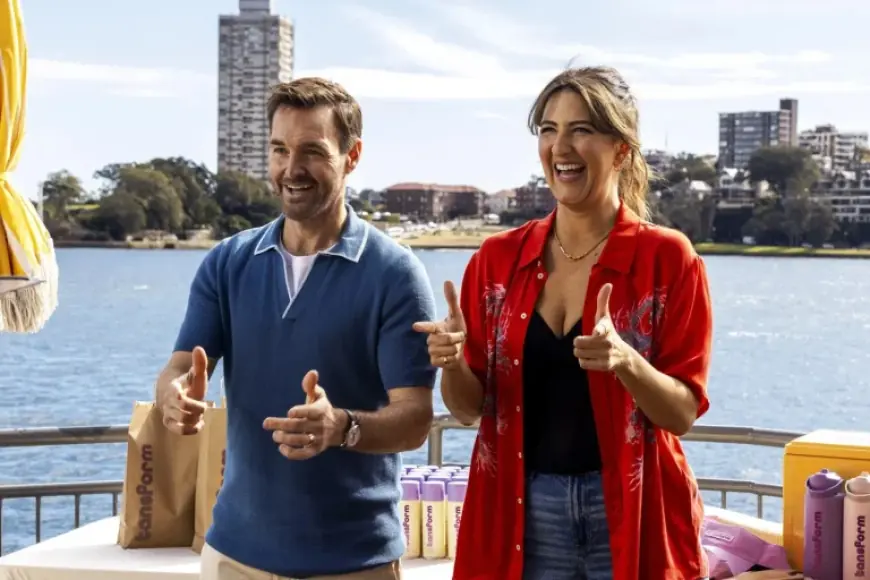
At the same time Forte co‑stars with D’Arcy Carden in Sunny Nights, a darkly comic, spray‑tan thriller that premiered on Australia’s Stan in December and has a Hulu airdate set for Wednesday, March 11. In the series he plays Martin Marvin, a Midwestern sibling who moves to Sydney to pitch a maqui‑berry spray‑tan product called Tansform alongside Carden’s Vicki; that new role places Forte in a very different performance context than live sketch work.
Sunny Nights, created by Nick Keetch and Ty Freer, leans into escalating criminality and broad physical set pieces—review language in the context describes it as violent, funny and energetic—so the show tests a different set of skills than SNL’s weekly sketch grind. The figures point to Forte shifting from the intense, time‑compressed pressure of live television to serialized, scripted stakes that still exploit his comic instincts but in a controlled production environment.
Forte also credits continuity and longtime colleagues behind the scenes at SNL for making returns easier socially, and he has noted meeting the new cast as a highlight of his visits. That detail suggests his nervousness coexists with genuine affection for the institution and with professional relationships that endure beyond his 2002–2010 run.
Yet Forte admits he remains shy and experienced starstruck moments even at large reunions, confessing he’d often been too nervous to introduce himself to idols; this personal reticence helps explain why the studio setting can still trigger strong physiological reactions even after years away.
For now, Forte continues to return to SNL for guest appearances and special sketches while also headlining a high‑profile new series opposite D’Arcy Carden. If those repeat guest appearances continue, the experience will provide a measurable chance to see whether the cellular panic response diminishes with more frequent, familiar re‑engagement.