Gen X nostalgia is shifting from celebration to re-evaluation

gen x culture touchstones are getting a second look, and the tone is changing depending on the medium. One current strand leans celebratory, arguing the generation had an unmatched music experience shaped by a wide, shared ecosystem of artists and formats. Another strand turns more analytical as Gen Xers rewatch Ferris Bueller’s Day Off with their Gen Z kids and find parts of it land differently than they remembered.
Gen X music memories center on breadth, MTV, and cross-genre overlap
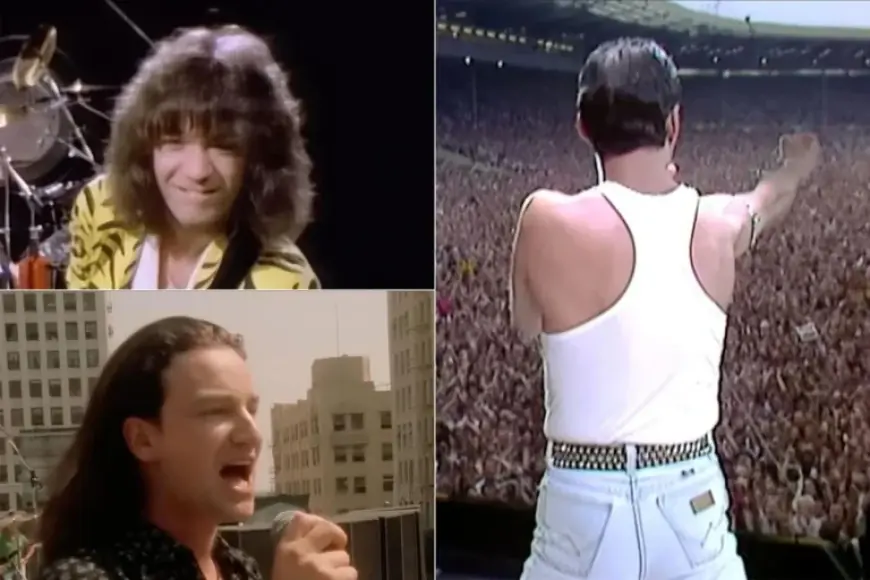
The pro-nostalgia case for Gen X’s music experience, as framed in the context, rests on how many eras and sounds were accessible in one lifetime of listening. The account describes early exposure through parents or older siblings, naming Led Zeppelin, Black Sabbath, Deep Purple, The Who, Eagles, Fleetwood Mac, and the Rolling Stones as music absorbed before “making our own musical decisions. ” It then points to a carried-over wave of acts that “continued to thrive” during formative years: Van Halen, Queen, Tom Petty, Bob Seger, Journey, The Police, and Heart.
That same account highlights what it calls a comparatively less fragmented environment, where “subgenres weren’t necessarily as prevalent” and music felt “more lumped together as a collective experience. ” MTV is singled out as a mechanism that provided a “visual introduction” across a spectrum of acts that could still “co-exist” in a shared consciousness. The emphasis on showmanship and technical skill is also part of the frame: charismatic lead singers, guitarists on magazine covers, and drummers and bassists recognized for “technical abilities, thunderous beats and killer low end. ”
Across that arc, the story outlines a sequence of shifts Gen X lived through rather than a single defining style: 1980s new wave, battle jackets for the NWOBHM, the explosion of 1980s hair metal, the evolution from underground college rock radio into 1990s alt-rock dominance, flannel for the grunge takeover, and the 1990s pop-punk revival. It adds an additional bridge forward, arguing that open-minded Gen Xers even embraced their kids’ fascination with later subgenres such as nu-metal, emo, screamo, metalcore, and “every new subgenre that popped up in the 2000s. ”
Ferris Bueller’s Day Off rewatching shows Gen X reacting to a new lens
The second major signal in the context comes from Gen Xers rewatching Ferris Bueller’s Day Off with their children and debating whether the movie changed, or they did. The film premiered in 1986 and is described as an epitome of Gen X pop culture. The rewatch trend is explicitly cross-generational: Gen Xers (defined in the context as those born between 1965 and 1980) are viewing it with their Gen Z kids.
In a Reddit community of Gen Xers, one member wrote that the movie “did not age well, ” describing discomfort with Ferris as a character despite still laughing at iconic lines and moments. The critique focuses on privilege and how the character treats others, listing school administrators, restaurant workers, younger kids at school, parents, and even his best friend. The poster also contrasts their own reaction with their children’s response, saying the kids “laughed a lot” while the adult viewer felt “uncomfortable with the overall message. ”
Other Gen Xers pushed back, suggesting the shift lies less in the film and more in the audience. One commenter argued it is “less that the movie aged poorly, it’s that we aged and see it from a totally different perspective, ” contrasting a teen desire to be carefree with an adult tendency to interpret consequences and character outcomes differently. Yet the discussion is not uniformly negative: some commenters still call the movie “cinema gold, ” while another insists the film “aged like wine. ” A separate thread of agreement emerges around Cameron as the most redeeming character, with one Gen Xer calling him the “actual protagonist” because he experiences “character growth and conflict. ”
Gen X signals a two-track trajectory: shared canon pride and values-based critique
Taken together, the context points toward Gen X nostalgia operating on two tracks at once. One track celebrates a shared canon and the conditions that helped make it feel collective: broad exposure through family, crossover success across decades, and MTV’s visual pipeline that reinforced common reference points. The other track applies a more values-based critique to a core 1980s cultural artifact, with Gen Xers actively debating privilege, empathy, and who a story positions as the hero.
If the current rewatch-and-discuss pattern continues… Gen X’s relationship with its own pop culture is likely to keep splitting into parallel conversations: one focused on preserving and reaffirming the “collective experience” of music across Led Zeppelin to 1990s alt-rock dominance, and another focused on reassessing narrative heroes like Ferris while elevating different figures such as Cameron. The context already shows that the same viewers can laugh at familiar scenes while simultaneously questioning the message, suggesting the debate can widen without fully displacing affection.
Should intergenerational viewing with Gen Z kids become the dominant setting… the friction described in the Ferris Bueller’s Day Off thread could become a more consistent feature of how Gen X revisits its canon. The context explicitly places the rewatch inside family viewing, where kids laugh and adults reconsider. That arrangement naturally produces side-by-side reactions and makes the “new lens” part of the event itself, rather than an individual, private reappraisal.
The next concrete signal in the context is continued, organized nostalgia packaging: the music-focused account points readers to a gallery and notes a list of the Best New Rock + Metal Act for each year of the 1980s. What the context does not resolve is how widespread the Ferris-style reassessment is beyond one Reddit community, or whether the celebratory music framing and the critical movie framing converge into a single dominant Gen X narrative. For now, the material on hand shows a generation confident about its music ecosystem while actively renegotiating how it talks about its most iconic screen stories.