Tcu Vs Kansas: Big 12 quarterfinal sets up a test of legs and poise

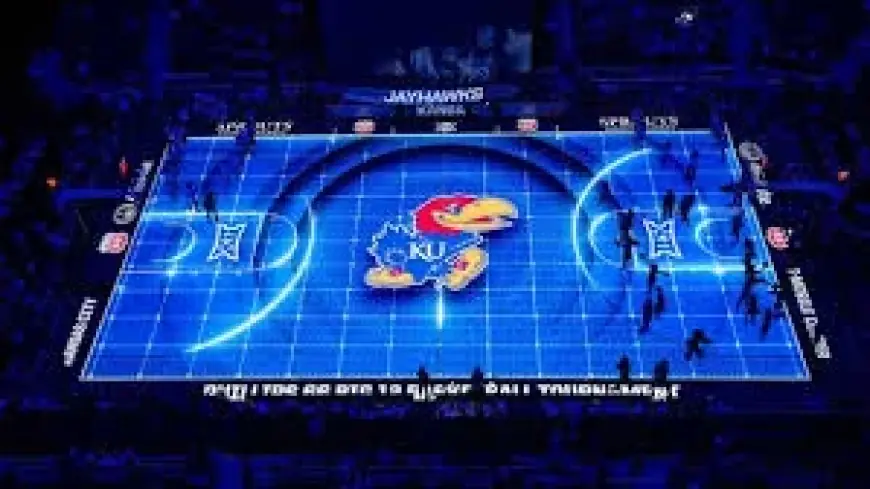
The tcu vs kansas matchup arrives with a clear split in circumstances: 6th-seeded TCU plays 3rd-seeded Kansas in the Big 12 quarterfinals, and TCU is doing it as a second game in 24 hours while Kansas comes in with extra rest. The pairing also reopens a recent storyline from Allen Fieldhouse, where Kansas needed a comeback to win, leaving TCU to weigh what it missed and what it can still change.
Tcu Vs Kansas rematch context
Tonight’s quarterfinal is not just a bracket line; it is a response to a previous meeting that ended with Kansas winning in Allen Fieldhouse only after what was described as a “miraculous comeback. ” That single detail matters because it frames the emotional and tactical baseline for both sides. For TCU, it implies the game once reached a point where a landmark result was within reach, and then slipped away in a way that still lingers as the kind of missed opportunity teams replay when the stakes rise.
The pattern suggests the rematch will test TCU’s composure as much as its execution. When a team has already seen itself close to a defining win, the next meeting can tilt in two directions: either a sharper edge born from frustration, or a tighter grip that makes the moments feel heavier. Kansas, meanwhile, enters with proof that it can survive pressure in this matchup, even if it required an extreme swing the last time around.
TCU Horned Frogs’ 24-hour turnaround
TCU’s scheduling reality is explicit: the Horned Frogs are playing a second game in 24 hours. That is a straightforward constraint with cascading effects, because the most immediate challenge in a tournament setting is not just preparation time, but how long a team can sustain defensive intensity, rebounding effort, and late-game decision-making when fatigue accumulates.
Kansas has the countervailing advantage: extra rest ahead of the quarterfinal. The figures point to a matchup where Kansas can reasonably expect fresher legs, which often shows up in the smaller battles—closing out possessions, staying in front of drives, and maintaining pace without forcing rushed shots. Still, rest does not guarantee control, and the earlier meeting’s comeback note implies Kansas had to solve something on the fly once before. If TCU “really get after it” as the setup suggests, Kansas’ edge may come from steadiness rather than explosiveness.
Kansas’ bracket stakes in “the big dance”
The quarterfinal also carries an explicit consequence beyond advancing: Kansas could find itself a 5 seed in “the big dance” if it loses. That possibility turns the tcu vs kansas result into more than a single-night outcome, because it attaches a downside that is measurable and immediate. A drop to a 5 seed would represent a shift in how Kansas is positioned for what follows, and it adds pressure that is different from simple elimination math.
That seeding hook also changes how each team can interpret risk. Kansas faces the prospect of the loss reshaping its next stage, which can incentivize an emphasis on avoiding mistakes and managing tempo, especially with the rest advantage in hand. TCU, by contrast, is invited to treat this as a chance to rewrite the script of that Allen Fieldhouse finish; a win would not erase the earlier collapse, but it would reframe it as a prelude rather than a defining moment.
No start time was provided, and no confirmed lineup details were included in the available information. What is clear is the set of forces pushing on the game: a previous comeback win for Kansas, a rest disparity created by TCU’s second game in 24 hours, and a specific seeding risk for Kansas tied to a loss. If that mix holds, the data suggests the quarterfinal will hinge on whether Kansas can translate rest into consistent control, and whether TCU can turn lingering regret into sustained urgency over 40 minutes.