Today Wordle Hints: March 13 #1728 vs March 12 #1727 patterns explained

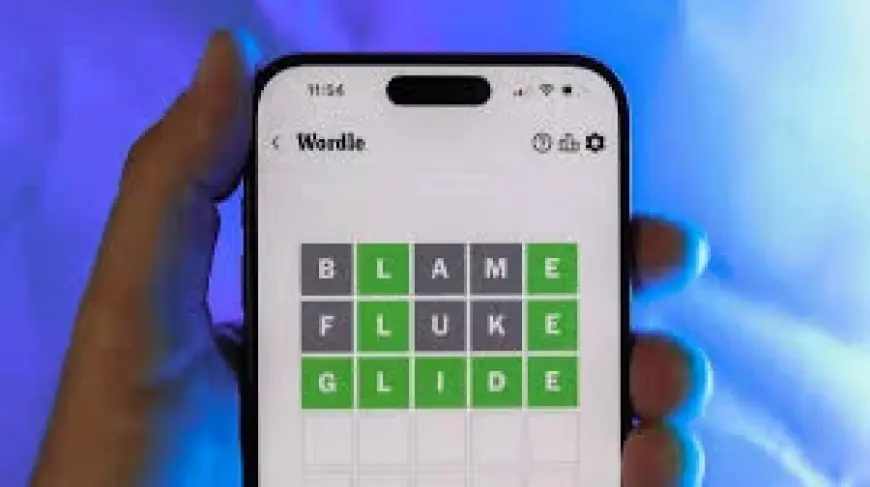
March 13’s Wordle puzzle, No. 1728, arrives with explicit clues while yesterday’s answer, March 12 No. 1727, was SMELL. This piece uses the today wordle hints to ask a specific question: how do March 13’s confirmed features — initial E, a repeated vowel, and a past-participle form — compare with March 12’s plain-word answer, and what does that reveal for solving strategy?
March 13 #1728 Wordle: confirmed clues and puzzle characteristics
For March 13, No. 1728, the confirmed clues list several concrete features. The puzzle begins with the letter E, contains one repeated letter, and has two vowels with one of those vowels appearing twice. The answer is also identified as the past participle of a verb meaning to consume food. Context notes that today’s Wordle puzzle is a tough one, even though the letters involved are described as fairly common.
Today Wordle Hints for March 13 #1728 and their solving implications
Using the today wordle hints changes the solver’s early moves in predictable ways. Analysis: because the answer begins with E and explicitly includes a repeated vowel, a solver can prioritize starter words that place E in the first position and then test vowel repetition on the second and third guesses. March 13’s past-participle status steers solvers toward verb forms and common past participles of consumption-related verbs, narrowing plausible endings. The presence of one repeated letter reduces the universe of candidates compared with an all-unique-letter answer, even as the puzzle’s toughness indicates those candidate letters still form a challenging combination.
March 12 #1727 SMELL compared with March 13 #1728
Yesterday’s answer, March 12 No. 1727, was SMELL, which provides the only confirmed point of direct contrast in the context. Where March 13 #1728 supplies several structural clues, the context gives no additional formal details about SMELL beyond its role as the prior day’s answer. Applying the same evaluative criteria — initial letter, vowel count and repetition, and grammatical form — exposes what is known and what is not: March 13 confirms an initial E, two vowels with one repeated, and a past participle form, while March 12’s confirmed fact is simply the answer word SMELL with no further pattern data in the provided context.
That difference matters. Analysis: comparing a fully clued entry like March 13 to a single-word record like March 12 highlights how much solver guidance comes from explicit pattern notes. March 13’s clues push strategy toward vowel testing and verb-form candidates; the sparse record for March 12 prevents a parallel, equally detailed strategic prescription from being drawn solely from the context.
Finding: placing March 13 #1728 alongside March 12 #1727 establishes that explicit morphological and letter-pattern clues — an initial E, a repeated vowel, and a past-participle form for March 13 — create a different solver environment than a bare prior answer such as SMELL. The next confirmed data point that will test this finding is the daily answers and hints list referenced in the available material; if that list soon records another entry with a past participle and repeated vowel, the comparison suggests solvers should prioritize initial-letter placement and vowel-repetition testing in early guesses.