Lufthansa Strike vs Last Walkout: Flights Cancelled, but Fewer Than Before

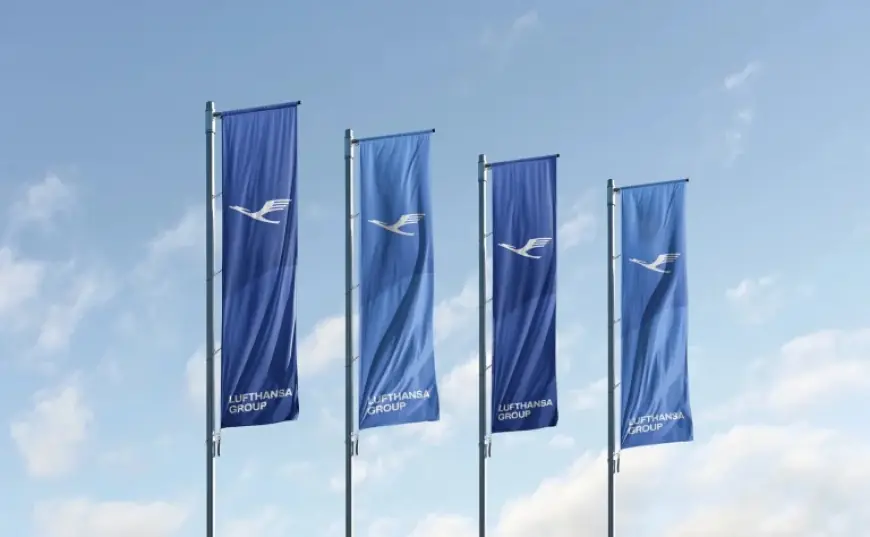
Lufthansa pilots have launched another two-day strike, prompting schedule changes and flights cancelled across parts of Europe. The airline says it kept more than half of its services running on the first day, describing the impact as milder than the last walkout. The key question now is how this strike’s disruption compares with the previous one—and what explains the different outcomes.
Lufthansa pilots’ strike: day-one operations and contingency measures
The current action spans two days and is expected to trigger many cancellations. On the first strike day, Lufthansa said more than 50% of scheduled flights still operated. A special schedule is being drawn up, and the company has launched an internal appeal to keep a minimum number of flights in the air.
Inside Germany, two group carriers—Discover Airlines and Lufthansa CityAirline—are set to operate their regular programs and take on additional flights where possible. That extra capacity is central to the company’s effort to blunt the strike’s impact and stabilize the timetable while the special schedule is finalized.
Vereinigung Cockpit vs Lufthansa Classic: the dispute and management stance
Michael Niggemann, who oversees Human Resources and Legal Affairs on Lufthansa’s Executive Board, criticized the renewed strike call from the Vereinigung Cockpit union. He described the escalation as incomprehensible and referenced geopolitical uncertainty linked to the war in Iran while passengers worldwide face disruption.
Niggemann pointed to retirement benefits as a flashpoint, saying Lufthansa Classic already offers a high level of company pension provision, further improved over the past two years through a significant increase in pensionable remuneration for pilots. He argued that Lufthansa Classic’s low margin leaves no scope for further increases and that strikes will not alter that reality. He also said pay increases have been offered to pilots at the subsidiary Lufthansa Cityline, framing additional escalation as unnecessary.
Instead of further strikes, Niggemann called for talks on modernization and the future size of the fleet—issues he said would directly shape pilots’ career prospects. While the union’s demands were not detailed here, the management message is clear: the company wants structural discussions rather than industrial action over compensation.
Flights Cancelled vs flights kept at Lufthansa: how this walkout compares
Lufthansa said it has limited the damage better than during the previous strike, with more than half of flights operating on day one this time. That is a material change in the balance between disruption and continuity, even as many flights cancelled still affect passengers. On the mitigation side, the planned special schedule and the deployment of Discover Airlines and Lufthansa CityAirline appear to have provided more resilience than before.
Analysis: Placing the two walkouts side by side reveals a shift from reactive scrambling to a more organized continuity plan. The airline’s own account—over 50% of services flown on day one and an improved outcome versus the last strike—suggests the backup capacity and planning cadence are starting to bite. Yet, the labor dispute’s core—pensions and pay structures across Lufthansa Classic and adjacent carriers—remains unresolved, meaning operational gains do not equal labor peace.
The comparison also highlights where both episodes align: cancellations, disrupted itineraries, and the need to rework schedules at short notice. Where they diverge is the degree of preserved service. This time, the combination of a special schedule and intra-group lift appears to have kept more aircraft moving, even if the overall travel experience remains strained.
The finding: This strike is disruptive but measurably less so than the last one by the airline’s own yardstick. The next tests are immediate: publication of the special schedule and the second day of the strike. If Lufthansa sustains an above-50% operation rate through day two, the comparison suggests its strike playbook has improved, even as the underlying dispute over pensions and pay continues.