Iran Women’s Football Team Secured Under High Surveillance in Kuala Lumpur

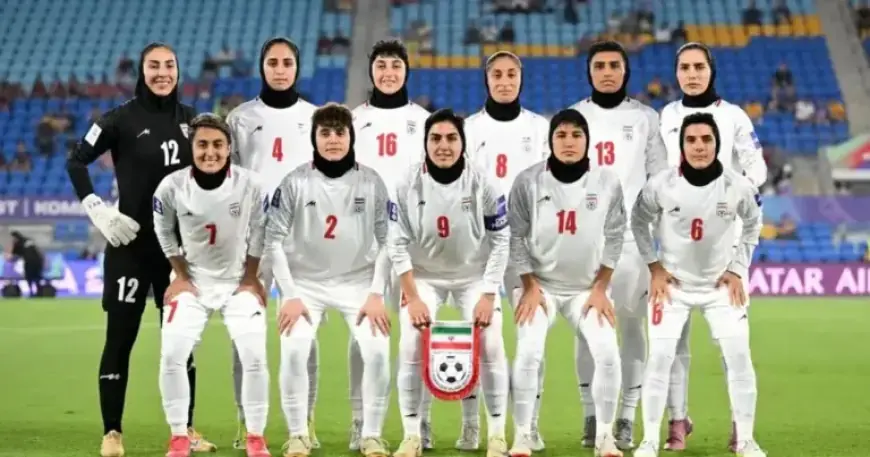
The Iran Women’s Football Team found themselves in a tumultuous situation during the AFC Asian Cup held in Australia. Under intense surveillance in Kuala Lumpur, several players made a courageous decision that changed their destinies. After refusing to sing the national anthem during a match against South Korea, they faced backlash from the Iranian government.
The Dangers of Defection
The players experienced severe threats when Iranian media labeled them as “wartime traitors.” This accusation carries a potentially fatal penalty in Iran. Raha Pourbakhsh, a sports reporter, highlighted the dangers athletes face when trying to defect. Many players felt they were being monitored closely, fearing that their phones were tapped and that security officials were embedded with the team.
Financial Barriers and Family Threats
Before traveling abroad, athletes are required to submit substantial financial guarantees to Iranian authorities. These requirements, which can be as high as 10 billion Tomans (approximately $67,000), aim to prevent defections. Pourbakhsh reported that the safety of players’ families was threatened, creating constant fear and anxiety among the athletes. Some felt like hostages, burdened with the responsibility of ensuring their families’ safety.
Raising Awareness
As tensions heightened, Pourbakhsh took action. She alerted international media to the risks faced by the players, particularly after the Iranian state called for punitive measures against them. She shared videos of the threats with outlets like CNN and Reuters. The coverage garnered significant attention, prompting discussions about the situation on Australian soil.
Australian Response to Threats
In response to the escalating crisis, Australian authorities became involved. The Australian Federal Police were present at the team hotel to ensure player safety. Despite attempts by Iranian officials to regain control, including Mehdi Taj, who was denied a visa due to ties with the Islamic Revolutionary Guard Corps, the situation remained chaotic.
Moments of Chaos and Escape
After the team’s third match, confusion erupted. Some players seized the opportunity to escape, resulting in pandemonium among their Iranian handlers. Activists cornered a security official and encouraged the players to flee. Amid the disarray, several athletes managed to slip away and reach safety.
Emotional Departure
The scenes as the team prepared to leave Australia were heart-wrenching. Fans gathered outside the hotel, displaying signs that read “Save Our Girls,” fearing for the players’ safety if they returned to Iran. Emotional scenes unfolded as players signaled their distress, with one player nearly forced onto a team bus. Many expressed their desire to stay, fearing for their lives and families back home.
A New Beginning in Australia
In the end, seven players remained in Australia, seeking protection and a chance to rebuild their lives. Their story has resonated with many, leading to a GoFundMe campaign for their support. The Brisbane Roar Football Club extended an open invitation to the players, expressing admiration for their resilience. They emphasized that the football community in Queensland offers a welcoming environment devoid of politics.
- Players faced persecution for refusing to sing the national anthem.
- Security officials monitored the team during the tournament.
- Financial guarantees for travel are substantial and hinder defections.
- Seven players have sought safety in Australia.
- Support from the Brisbane Roar FC emphasizes community solidarity.
The journey of the Iran Women’s Football Team serves as a poignant reminder of the challenges faced by athletes under oppressive regimes. Their bravery and resilience have captured hearts and sparked critical conversations worldwide.