Crystal Palace Vs Aek Larnaca rematch sets up a test of Palace’s finishing and intensity

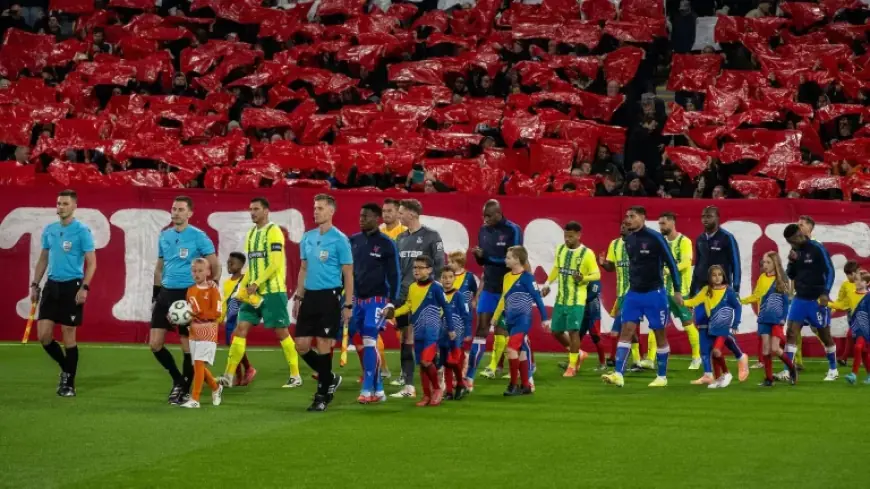
crystal palace vs aek larnaca returns to Selhurst Park with Crystal Palace hosting AEK Larnaca in the first leg of a UEFA Conference League round of 16 tie on Thursday. Palace are trying to respond to a surprise 1-0 home defeat to the Cypriot team in the competition’s league phase, a result shaped by missed chances and a costly mistake.
The immediate signal from the rematch is not tactical novelty but standards: Palace have already seen the exact problems that can decide this matchup, and the two-leg format raises the stakes for translating possession and chances into goals while avoiding self-inflicted damage.
Crystal Palace and AEK Larnaca meet again after the 23rd October loss
The clubs last met on 23rd October, when Palace struggled to penetrate Larnaca’s low block and paid for wastefulness in front of goal. Oliver Glasner described the feeling as “a little bit of deja vu, ” framing a pattern he says has appeared “in many games” where chances are created but not converted.
That earlier game contained a stark statistical imbalance. Palace had 15 shots and an expected goals figure of 1. 76, while Larnaca produced 0. 2 xG from four shots. Yet Palace managed just one shot on target from those 15 efforts, and the visitors ended with more shots on target, two to one. The finishing gap, not shot volume, defined the outcome.
One error also proved decisive. Jaydee Canvot’s poor pass under pressure was intercepted and Riad Bajic scored early in the second half, shooting into the top of Dean Henderson’s net for the only goal of the game. Palace’s combination of profligacy and a self-inflicted defensive moment left them chasing a match they otherwise controlled, including 68 per cent of the ball.
Oliver Glasner’s cues: low-block problems, passive play, and the pressing signal
Glasner’s post-match comments after the October defeat laid out the immediate lever he wants pulled: chance creation must translate into goals. He pointed to the 15-shot output but also the lack of accuracy, saying, “We had 15 shots and just one was on target. ” His solution was bluntly framed in volume terms: if Palace need five clear chances and do not score, they must create “seven, eight or nine. ”
Still, the context around that match shows finishing was only part of what failed. Palace’s play was described as too passive in the autumn, with limited aggression out of possession and nobody prepared to run at the Larnaca defence. Off-the-ball movement and passing were also “too limited and slow, ” which matters against a low block because the defending team is inviting patience and waiting for mistakes.
One of the clearer signals in the current development is the emphasis on winning the ball back in advanced areas. When Palace lost possession last time, it was infrequent because of that 68 per cent share, yet they did not “harry and chase enough” to regain it. The context offers one near-miss example when they did: Jean-Philippe Mateta headed a Daniel Munoz cross against the crossbar after Palace managed a high regain.
A newer reference point also appears. January signing Evann Guessand “showed” in the 3-1 Premier League win against Tottenham Hotspur last Thursday what can happen when Palace force turnovers high up the pitch through aggressive pressing. That match is used in the context as a practical demonstration of the intensity Palace want to bring into this tie.
Crystal Palace Vs Aek Larnaca: two-leg pressure builds around the first goal
With a quarter-finals place at stake, the first leg at Selhurst Park becomes the control point the context keeps returning to. Palace can dominate the ball and still lose if they repeat October’s combination: slow circulation, few runners, limited pressing to sustain attacks, and one mistake under pressure.
For now, the clearest directional indicator is the value of scoring first. The context states that if Palace can score first at Selhurst “tomorrow, ” it would put them in an excellent position in the tie because it would force Larnaca to come at them, likely opening more space. That would also create “a greater opportunity” to attack in transitional situations where Palace “thrive, ” shifting the game away from the low-block puzzle that frustrated them on 23rd October.
Based on context data:
- October meeting: Palace 15 shots, 1 on target, 1. 76 xG; Larnaca 4 shots, 2 on target, 0. 2 xG
- Possession in October meeting: Palace 68 per cent
If the October pattern continues… crystal palace vs aek larnaca risks turning into another night where Palace create enough to win but fail to land the decisive actions: testing the goalkeeper more than once, capitalizing on the volume of chances, and avoiding the kind of under-pressure pass that led directly to Bajic’s goal past Henderson. In that scenario, the two-leg format offers less margin for a single error because the first leg would again set a chase.
Should Palace score first at Selhurst… the context suggests the tie could tilt toward the conditions Palace prefer: Larnaca having to attack more, leaving space that Palace can exploit in transition, and allowing the home side’s aggressive pressing to matter more, as shown by Guessand’s example in the 3-1 win against Tottenham last Thursday. A lead would also “settle nerves” in a team described as fragile, even as confidence and momentum have “started to creep back of late. ”
The next concrete signal in the context is the first-leg kickoff on Thursday, followed by next Thursday’s second leg. What the context does not resolve is which personnel will be available and at what level, beyond noting there has been “changed personnel since October’s game” and that Mateta is expected to return to the squad for the first time since a 3-1 league loss to Chelsea, with the date cut off. The direction of travel is clear anyway: this rematch will be decided less by unfamiliarity and more by whether Palace turn control into goals and sustain attacks with sharper movement and higher-intensity defending.