Former Naughty Dog Artist Vows to Keep Creating, Shuns Live-Service Games

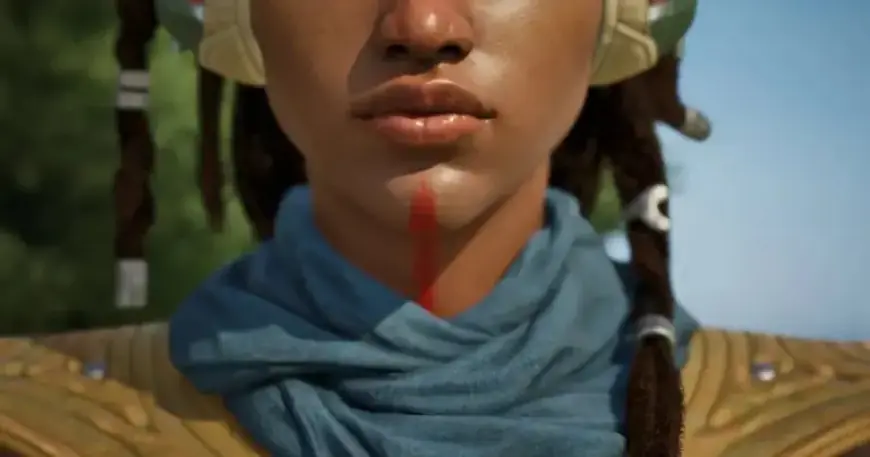
A well-known former artist from Naughty Dog has announced a decisive shift in his career focus. Del Walker, who has contributed to notable games such as The Last of Us Part II and Jedi Survivor, is stepping away from live-service games altogether. His decision comes on the heels of the closure of Highguard, a game that debuted in January but struggled to maintain its player base.
Background on Del Walker
Walker has earned recognition for his artistic skills in the gaming industry. His involvement in diverse projects showcases his versatility and creativity. Notable titles he has worked on include:
- The Last of Us Part II
- Suicide Squad
- Halo Wars 2
- Star Wars: Jedi Survivor
Highguard: A Brief Overview
Highguard aimed to introduce players to an engaging world of Wardens and their magical companions. It was officially revealed during The Game Awards 2025, generating excitement among fans. Upon its release, it initially attracted a significant player base.
Despite early interest, Highguard faced several challenges:
- Complaints regarding map size
- Discontent with the 3v3 game format
- Lack of funding
Despite efforts to enhance the game through updates and a permanent 5v5 mode, player numbers dwindled, leading to its eventual shutdown. Highguard officially went offline on March 12, soon after a last patch was implemented.
Walker’s Future Plans
After the closure of Highguard, Walker has made it clear he will not work on live-service games again. He expressed his commitment to representing diverse characters in gaming but emphasized that he wants to avoid projects that may not endure.
“Games that can disappear won’t get my energy anymore,” he stated boldly. Walker’s dedication to his craft highlights his desire to create long-lasting contributions rather than temporary experiences.
Industry Context
Highguard is among several high-profile live-service games that have faced shutdowns recently. Another notable example includes Sony’s sci-fi shooter Concord, which ceased operations just two weeks after its launch. These closures raise questions about the sustainability of live-service models in the gaming industry.
Conclusion
Del Walker’s decision to step away from live-service games reflects a broader industry trend amid ongoing challenges in player retention and funding. His future projects will aim to celebrate diversity in character representation, ensuring a lasting impact within the gaming community.