Sugar Land Postal Worker Arrested in Mail Theft Case as Investigators Examine Check Fraud Reports

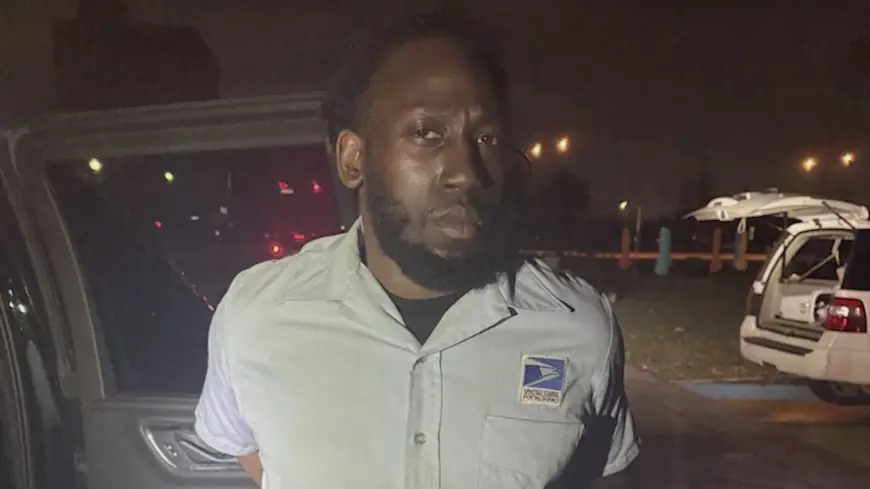
A U.S. Postal Service employee in Sugar Land is facing a mail theft charge after police said he was found with more than 200 pieces of mail, including dozens of envelopes containing checks that investigators believe could have been used in forgery schemes.
The arrest has quickly turned into a broader public-interest story in the Houston area because investigators are now looking at whether the worker deliberately targeted mail that appeared to contain checks. That possibility matters far beyond one criminal case, touching on a growing concern around stolen mail, altered checks and emptied bank accounts.
Police identified the employee as 32-year-old Jeland Mouton. He was arrested Monday night near the post office on Matlage Way in Sugar Land.
Arrest Followed Complaints About Forged Checks
The case emerged after Sugar Land police said they received multiple reports involving forged checks. In a joint investigation with postal inspector general agents, officers identified a postal employee as a suspect and then conducted surveillance that led to the arrest.
Investigators said Mouton was stopped as he was leaving work and was found with 226 pieces of mail in his personal vehicle. The mail was addressed to roughly 50 different people. Police said all of it was unopened, but 66 envelopes contained checks.
That detail has become the central issue in the investigation. Authorities are now examining whether those envelopes were singled out because they appeared to hold negotiable financial documents that could later be altered or stolen.
Why the Case Has Drawn Wider Attention
Mail theft cases often attract immediate attention, but this one carries extra weight because of the alleged scale and the kind of documents involved.
Check fraud can begin with a relatively simple theft and quickly expand into a larger financial crime. Once a check is taken, criminals may attempt to “wash” it by removing ink, changing the payee name, increasing the dollar amount or rerouting the funds into another account. For victims, the damage can move fast, especially when the stolen checks are tied to mortgage payments, utilities, rent or small-business bills.
That broader risk is one reason the Sugar Land arrest is resonating beyond Fort Bend County. It also comes at a time when concerns about mail theft and financial fraud tied to the postal system have remained a persistent issue nationally.
One Victim Said His Account Was Drained
Investigators have already linked the case to at least one person who believes his mailed checks were stolen and altered.
A Sugar Land-area resident told local television he mailed two bill-payment checks from the Grants Lake Boulevard post office in October and later found that his bank account had been emptied. He said the original checks, written for modest amounts, appeared to have been changed before they cleared, leaving him thousands of dollars in the hole before his bank reimbursed the loss.
That account has become part of the public face of the case because it captures the direct financial harm that can follow a single piece of stolen mail.
USPS Put Employee on Non-Duty Status
The Postal Service has confirmed that Mouton is employed by USPS and said he has been placed in non-duty status. The agency has not publicly discussed personnel details beyond that.
The criminal case also drew added scrutiny after local reporting noted that court records show prior Harris County cases involving theft and aggravated robbery. It remains unclear what, if any, relevance that history will have in the current prosecution.
For now, the immediate case centers on the mail found during the stop and the allegations tied to the stolen envelopes.
What Residents Are Being Told to Do Next
With the investigation ongoing, police are urging residents to closely monitor bank accounts and look for unauthorized transactions if they regularly send payments by mail.
Authorities have also recommended using gel pens on checks, folding checks inside a separate sheet of paper so they are less visible through an envelope, and using secure online or direct bill-pay options when possible.
The next phase of the case will likely focus on how many victims are ultimately identified and whether prosecutors allege a wider check-fraud pattern. Until then, the Sugar Land postal worker case stands as a stark reminder of how quickly routine mail can turn into a financial crime investigation.