Queen Ants Kenya seized at JKIA exposes trafficking network

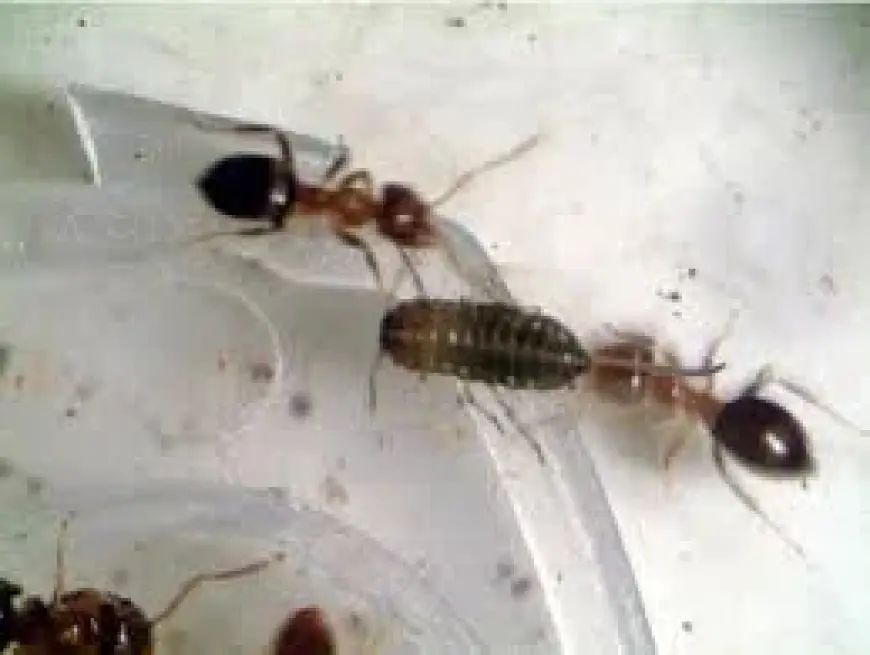
Zhang Kequn was arrested at Jomo Kenyatta International Airport after security staff found 1, 948 garden ants packed in specialised test tubes and a further 300 live ants concealed in rolls of tissue paper in his luggage. The haul, described in court as more than 2, 000 live garden ants and linked to an ant‑trafficking network broken up last year, highlights commercial demand driving queen ants kenya exports to exotic pet markets in Europe and Asia.
Queen Ants Kenya seizure details
Prosecutor Allen Mulama told the court that within Zhang’s personal luggage investigators found 1, 948 garden ants in specialised test tubes and a further 300 live ants concealed in three rolls of tissue paper. Prosecutors asked the court for permission to forensically examine Zhang’s phone and laptop to trace contacts and routes tied to the consignment. The figures point to deliberate concealment and supply‑chain activity rather than casual collecting, suggesting the seizure fits a pattern of coordinated export aimed at pet markets in Europe and Asia.
Zhang Kequn court and detention
Court documents say Zhang has yet to respond to the accusation and that prosecutors were allowed to detain him for five days so detectives could expand their probe. Investigators have linked him to an ant‑trafficking network that was broken up in Kenya last year and say he apparently escaped the country last year using a different passport. The pattern suggests authorities are now pursuing not only couriers but suspected organisers who can be identified through electronic device forensics and cross‑jurisdictional inquiries.
Kenya Wildlife Service warnings
The Kenya Wildlife Service warned last year of a growing demand for garden ants—scientifically known as Messor cephalotes—in Europe and Asia, where collectors keep them as pets, and described last May’s prosecutions as a landmark case. Last May a Kenyan court sentenced four men—two Belgians, a Vietnamese and a Kenyan—to one year in prison or a fine of $7, 700 for trying to smuggle thousands of live queen ants; the KWS said the seized ants were giant African harvester ants and warned that their removal could disrupt soil health and biodiversity. That enforcement history and the KWS ecological warnings indicate why wildlife authorities treat garden‑ant trafficking as a conservation and legal priority rather than a trivial hobbyist matter.
Prosecutors were allowed to detain Zhang for five days to enable detectives to conduct further investigations; investigators have said more arrests are expected as they widen the probe into other Kenyan towns where ant harvesting was suspected to be ongoing. If forensic examination of the seized devices yields communication links to collectors or exporters, the data suggests detectives could move quickly to charge additional participants in the trafficking network.