“Exploring Antigone: A Classic Play from High School Days”

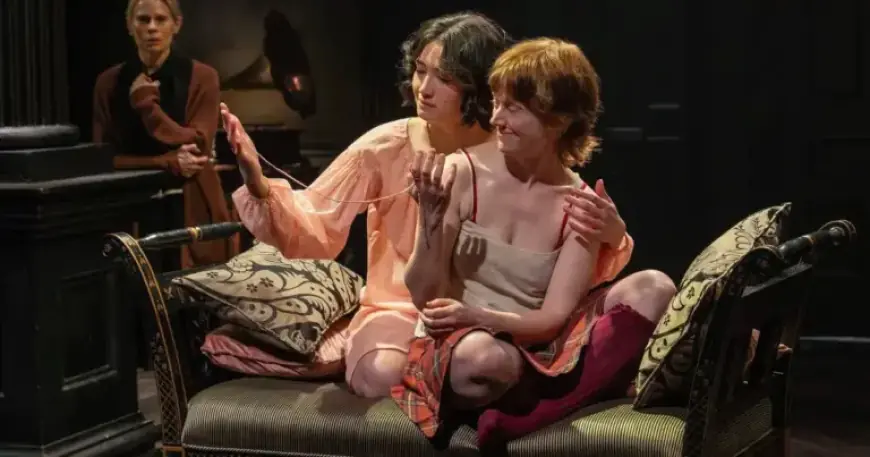
The classic play “Antigone” has inspired countless interpretations through the ages. Its themes resonate deeply within contemporary societal constructs, especially regarding the autonomy of women and the conflicts between personal conviction and state laws. Recently, Anna Ziegler’s modern adaptation of “Antigone” has garnered attention for addressing these timeless issues with a fresh perspective.
Overview of Ziegler’s Adaptation
Directed by Tyne Rafaeli, Ziegler’s “Antigone” tells the story of Dicey, portrayed by Celia Keenan-Bolger. Dicey navigates her own struggles while grappling with the legacy of the titular character, Antigone. Throughout the play, Dicey reveals her feelings of being overshadowed by Antigone’s boldness and defiance.
Key Themes and Modern Relevance
- Female Autonomy: Dicey realizes she is pregnant, reflecting the challenges faced by women in contemporary society.
- Conflict with Authority: Antigone’s struggle against the state resonates with ongoing debates about personal freedom and state control.
- Reinterpretation of Classical Ideas: The adaptation critiques traditional views of motherhood and societal expectations.
Character Dynamics
Dicey’s interactions take her on a journey where past and present intertwine. She encounters a teenager on a plane who forces her to reevaluate Antigone’s story, suggesting that it focuses more on the brother, Polynices, than on Antigone herself. This moment highlights the ongoing dialogue about male and female narratives in literature.
Performance Highlights
Susannah Perkins plays Antigone, bringing an energizing presence to the character. This new portrayal emphasizes Antigone’s assertiveness and independence, diverging from earlier representations. Perkins’ performance includes relationships that are personally and politically charged, notably through Antigone’s decision to undergo an abortion, transforming the character’s “crime” into a profound statement on bodily autonomy.
Critique of Power Structures
The adaptation also revisits the traditional roles of Antigone and Creon. Ziegler shifts the dynamics, showcasing Creon’s struggle between his responsibilities as a ruler and the harsh realities imposed on women. Their exchanges examine societal constructs that dictate women’s roles, provoking discussions about justice and individual rights.
Theatrical Presentation
Ziegler’s script combines contemporary language with lyrical moments, enhancing the emotional weight of the story. The portrayal of physicality is crucial, culminating in an intimate scene where Antigone acknowledges her body and the implications of its ownership. This defiance resonates strongly in today’s discourse about bodily rights.
Conclusion
Anna Ziegler’s adaptation of “Antigone” serves as an invigorating exploration of classic themes through a modern lens. By intertwining personal narratives with broader social critiques, the play invites audiences to reflect on the ongoing struggles for autonomy and justice. This rendition, performed at the Public Theater, runs until April 5 and is an essential watch for both classic literature enthusiasts and those interested in contemporary issues.