Great Western Railway glitch creates ‘golden tickets’ and points to tighter controls

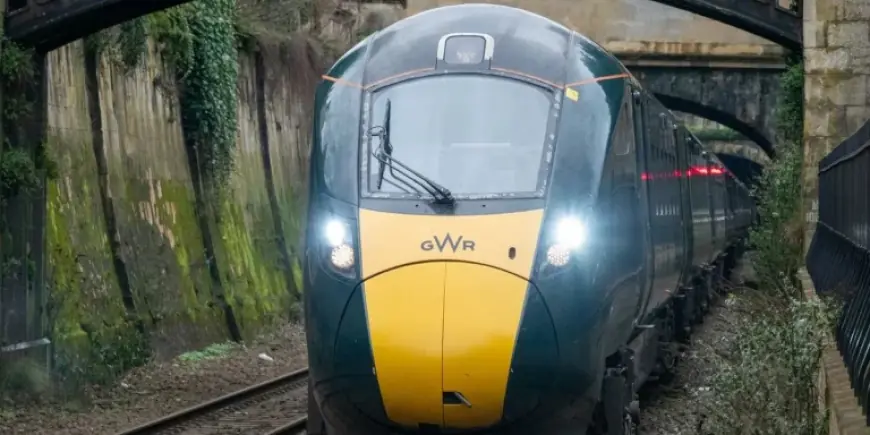
Great Western Railway closed a loophole that let passengers generate digital seat reservations which automatic barriers accepted as tickets. That confirmed fix signals a direction toward software patches and operational checks after a switch to a new provider created scannable, unpaid reservations now understood to be patched as of March 11 (ET).
How Great Western Railway ‘golden tickets’ bypassed station barriers
A software error allowed digital seat reservations to be accepted at automatic ticket barriers, a failure that let passengers create free seat reservations without buying a ticket. Great Western Railway allowed those reservations, which were intended for customers on long-haul tickets, and the reservations could be scanned at any ticket barrier in the country. A journalist took trips from Tiverton Parkway in Devon to Wigan North Western in Greater Manchester and could have travelled 537 miles without paying, while the railway’s service area spans from Cornwall to London.
Scenario A: If SilverRail reservation displays continue to be accepted at barriers
If the reservation display that appears at barrier scans continues to read as an anytime single ticket and is accepted by crews, the same acceptance pattern could repeat. An anonymous train guard said the display shows as an anytime single ticket and is “recommended to be accepted by train crew, ” and the guard added a crew would only spot the issue if they manually stopped and checked the reservation. The switch to the new ticket software provider, SilverRail, on February 24 (ET) created the error that enabled the ‘golden tickets, ‘ and a journalist was able to travel over 500 miles in first class by exploiting that behaviour.
Scenario B: If GWR and SilverRail maintain the March 11 (ET) patch and staff checks
If the patch applied as of March 11 (ET) holds and frontline staff follow guidance to manually verify reservations, the loophole could be closed in practice. Great western railway was first made aware of the software bug a week before the patch and senior railway staff were described as confused when the loophole was revealed. SilverRail said the error was a “top priority” to fix, and the combination of a vendor patch plus crew scrutiny—since a manual check would reveal a reservation rather than a ticket—would limit further unpaid journeys.
GWR did not disclose how many journeys had been made through the loophole, and that omission highlights what the context does not resolve: the total scale of exploitation across the network. The next confirmed signal from the context is whether GWR will disclose how many journeys passed through the loophole; that disclosure would clarify the extent of the exposure and the urgency of any additional controls.