Pokémon Pokopia Sells Over 2.2 Million Units in Just Four Days

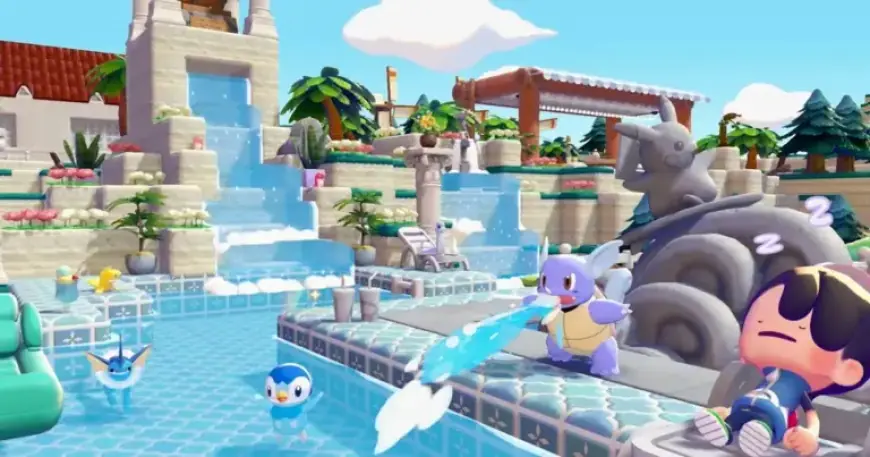
Pokémon Pokopia has achieved remarkable success, selling over 2.2 million units globally within just four days of its release. This record-breaking performance has boosted Nintendo’s stock price significantly.
Nintendo Stock Surge After Pokémon Pokopia Launch
In the wake of Pokopia’s debut, Nintendo saw its share price surge by as much as 10.5%. This marks the company’s most substantial increase since April 2025. According to reports from Bloomberg and VGC, Nintendo’s shares had previously peaked on November 6 at ¥14,105 ($89.09) before declining to ¥8,350 ($52.74) by February 13.
After the launch on Thursday, the stock price rebounded, reaching ¥9,120 ($57.60) by the following Tuesday and climbing to ¥10,075 ($63.65) by Wednesday. The shares closed at ¥9,932 ($62.74) that day.
Pokémon Pokopia Stock and Availability Issues
Despite the excitement surrounding Pokopia, physical editions of the game, particularly the Switch 2 exclusive Game-Key Card, have been in short supply in both the United States and the United Kingdom. Major retailers such as Amazon increased the price from $69.99 to $79.99 and have reported a temporary lack of stock. Other UK retailers like Currys, Smyths Toys, and My Nintendo Store are also experiencing shortages.
Critical Reception
Critics have responded positively to Pokémon Pokopia, stating that it revitalizes the franchise by drawing inspiration from sandbox titles such as Dragon Quest, Animal Crossing, Minecraft, and Viva Piñata. This favorable reception has likely contributed to the game’s rapid sales growth.
Challenges Ahead for Nintendo
Despite the success of Pokopia, concerns remain regarding Nintendo’s stock performance. The shares had previously fallen over 40% from their November peak due to worries about rising memory prices. Nintendo President Shuntaro Furukawa addressed these issues, stating the company is working to secure stable supplies of memory components. He acknowledged that an extended rise in memory costs could impact hardware profitability and hinted at possible future price increases for the Switch 2.