Josh Sweat to Packers vs. Bears: What two trade pitches reveal

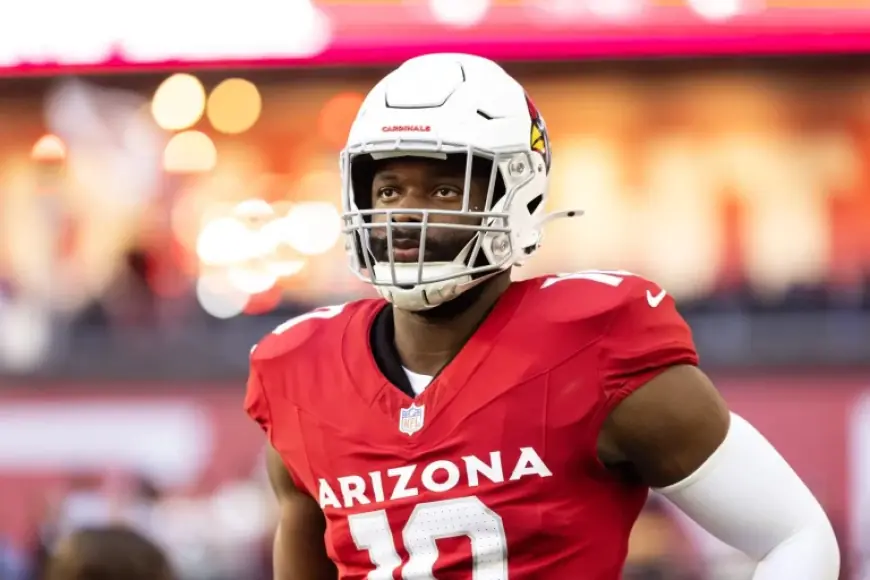
Two teams have surfaced in trade chatter around Arizona edge rusher josh sweat: the Green Bay Packers, who are described as interested in acquiring him, and the Chicago Bears, who are framed as a more realistic landing spot if they pivot away from Maxx Crosby. Put side by side, the question is not simply who wants him, but what each argument says about timing, cost, and the logic driving a deal.
Green Bay Packers and Josh Sweat: the Gannon link and the March 20 deadline
In the Packers-centered thread, interest in josh sweat is tied to a broader reunion theme. Green Bay signed free agent defensive tackle Javon Hargrave to a two-year deal after he had been released by the Minnesota Vikings, reuniting him with Jonathan Gannon, who coached Hargrave with the Philadelphia Eagles. Hargrave posted 18. 5 total sacks in two years with Gannon as defensive coordinator in Philadelphia.
That same Eagles window becomes the key parallel used to frame Josh Sweat. In Gannon’s two years with the Eagles, Josh Sweat recorded 7. 5 and 11 sacks, matching Hargrave exactly in both seasons. The Packers are then described as being among the teams interested in trading for Sweat, after he reportedly requested a trade when the Cardinals fired Gannon from the head coaching position. The Packers were also mentioned as having potential interest in him last offseason, before he signed with Arizona.
The Packers pitch is also the only one that lays out a hard timing and cash trigger. If Arizona wants to move Sweat, the stated preference would be to do it prior to March 20, when his contract has an option bonus of $7. 2 million due. A team acquiring him before that date would owe that option bonus, plus just under $10 million in base salary and $1. 1 million in other bonuses, totaling $18. 1 million in compensation. The same framing adds that a new team would probably restructure his contract to reduce his cap hit to some extent.
Green Bay’s football logic is described in roster terms: adding Sweat would allow the Packers to ease Micah Parsons back into the lineup during his recovery from a torn ACL. Sweat is also characterized as a quality run defender, and Gannon is described as knowing how to employ him. In three seasons playing for Gannon, Sweat posted his highest, second-highest, and fourth-highest single-season sack totals. Last fall in Arizona, he started every game and posted career highs with 12 sacks and four forced fumbles.
Chicago Bears and Josh Sweat: a Crosby fallback framed as cap-friendly
The Bears-centered thread starts elsewhere, with Maxx Crosby. Crosby is described as being back on the market after a trade to the Baltimore Ravens was voided for a failed physical. Chicago is described as having been involved at some capacity and making an offer that “didn’t quite get it done, ” then getting “a second chance” with fewer suitors. The same framing lists other moves around the league: Baltimore signed Trey Hendrickson, Buffalo signed Bradley Chubb, and Dallas traded for Rashan Gary.
Against that backdrop, Josh Sweat is presented as an alternative if the Bears are not willing to meet a price described as two first-round picks for Crosby. Here, Sweat is described as a former Pro Bowler and Super Bowl champion from Philadelphia who signed with the Arizona Cardinals last spring and responded with a career-best 12 sacks. The argument leans heavily on affordability: Sweat is described as counting $16 million against the cap this season and $23. 6 million in 2027 and 2028, which is framed as more palatable than the $35 million per year Crosby would bring from Las Vegas.
The Bears fit case is also a roster construction pitch. Sweat is described as having size and length Dennis Allen covets, and as the dynamic threat the Bears need opposite Montez Sweat. On trade mechanics, the same thread offers a suggested range: compensation would “likely” take a third- or fourth-round pick to facilitate a deal, characterized as being in the sweet spot for Ryan Poles. It also leans on team-direction assumptions for Arizona, describing the Cardinals as entering a rebuilding phase after firing their head coach and having no clear quarterback options.
Packers vs. Bears: the same player, but different clocks and cost stories
Both storylines share a core factual spine: Josh Sweat is tied to Jonathan Gannon, he had a career-high 12 sacks and four forced fumbles last fall while starting every game, and he reportedly asked for a trade after Gannon was fired. Yet the comparisons diverge sharply on the two levers that most often decide whether a trade happens: timing and money.
| Comparison point | Packers framing | Bears framing |
|---|---|---|
| Main rationale | Reunion logic tied to Jonathan Gannon and a defensive fit | Fallback option if Maxx Crosby cost stays too high |
| Timing pressure | Trade preferred before March 20 option bonus | No specific deadline emphasized |
| Near-term cash outlined | $18. 1 million total compensation if acquired before March 20 | Cap framing: $16 million this season; $23. 6 million in 2027 and 2028 |
| Roster benefit named | Helps ease Micah Parsons back during ACL recovery | Pairs opposite Montez Sweat; aligns with Dennis Allen preferences |
| Trade-cost discussion | Restructure mentioned; no pick cost specified | Third- or fourth-round pick suggested |
Analysis: Put plainly, Green Bay’s case reads like a deadline-driven, contract-structure story: it names March 20 and spells out what an acquiring team would owe before that date, while also highlighting a specific roster-management goal tied to Micah Parsons. Chicago’s case reads like a market-arbitrage story: it sets Sweat next to Crosby and argues that, relative to the two first-round picks and $35 million per year attached to Crosby, Sweat offers a more manageable cap profile and potentially cheaper trade compensation.
That divergence reveals one clear finding. The Packers angle depends on Arizona’s willingness to act before March 20 and on a team’s comfort taking on the immediate $18. 1 million compensation and then restructuring. The Bears angle depends less on a calendar trigger and more on whether Chicago decides the Crosby path is too expensive in both picks and pay, then treats Sweat as the alternative with a “palatable” contract and a presumed lower acquisition cost.
The next confirmed test of which logic matters more is March 20, when the $7. 2 million option bonus becomes due. If the Cardinals maintain an intention to move josh sweat before that bonus date, the comparison suggests the Packers-style deadline framing will drive the trade conversation more than the Bears-style leverage framing against Crosby.