Oscars Battle Relevance Amid Cultural Decline

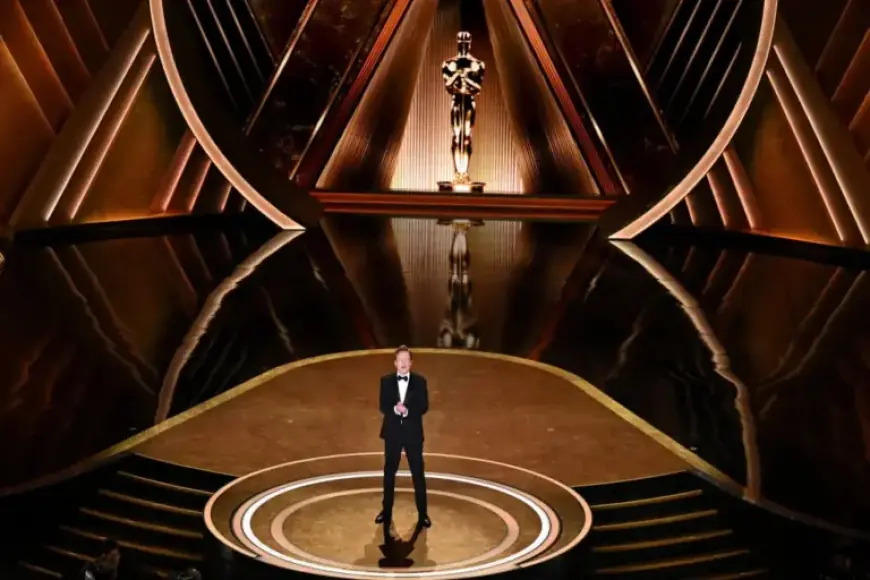
The Academy Awards face an ongoing struggle to maintain cultural relevance as evolving media landscapes challenge traditional viewing habits. With the rise of streaming platforms, social media, and ever-shifting audience preferences, the Oscars find themselves adapting to a transformed entertainment environment.
Oscars and Cultural Reflection
Historically, the Oscars have served as a cultural time capsule. Films like “Platoon” (1986) and “The Hurt Locker” (2009) highlighted the realities of war, while projects such as “Wall Street” (1987) and “The Big Short” (2015) explored themes of greed. These narratives have positioned the Oscars as a mirror reflecting societal issues and interests.
Declining Viewership Trends
Recent statistics show alarming trends in Oscar viewership. The ceremony attracted less than 20 million viewers from 2021 to 2025, marking a significant decline from past decades when viewership often exceeded 50 million. This downturn reflects broader changes in how audiences consume media.
Streaming Statistics
- In 2025, U.S. audiences spent 16.7 trillion minutes streaming content.
- Young adult viewers increasingly gravitate toward personalized digital experiences.
The Academy faces intense competition not only from rival broadcasts but also from an entire digital ecosystem. The shift to diverse media consumption—such as gaming streams on platforms like YouTube and Twitch—has drawn attention away from traditional awards shows.
Impact of Social Media
The rise of social media has transformed the way audiences engage with celebrities. Fans now have constant access to stars, diminishing the allure of award shows that were once the sole venue for celebrity sightings. This shift in accessibility has significantly contributed to the Oscars’ declining cultural dominance.
Youth Engagement
Approximately 6.7 million adult Americans who engage with social media are more likely to be influenced by online creators. These viewers are active across multiple streaming platforms, highlighting a clear shift from traditional media influences.
YouTube Migration and Challenges
In a bid to attract younger viewers, the Academy Awards will move to YouTube in 2029. This strategy aims to increase global accessibility and adapt to modern viewing behaviors. However, challenges remain. Even with YouTube’s significant financial investment in the ceremony, live event production remains a complex hurdle.
For instance, a recent NFL game on YouTube attracted 17.3 million viewers—still lower than traditional television averages. This demonstrates that merely switching platforms does not guarantee an uptick in audience numbers.
Cultural Shifts and Future Prospects
The Oscars must navigate a landscape characterized by fragmented media consumption, evolving audience preferences, and a loss of the once unifying monoculture. The films nominated now often reflect minimal connection to broader cultural conversations.
As the Academy Awards approach a digital future, they face the reality of no longer setting the cultural agenda. The nearly century-old institution now finds itself striving to adapt and keep pace with the rapid changes that define today’s entertainment landscape.