Investors: Stop Searching for Market Bottom During Wartime

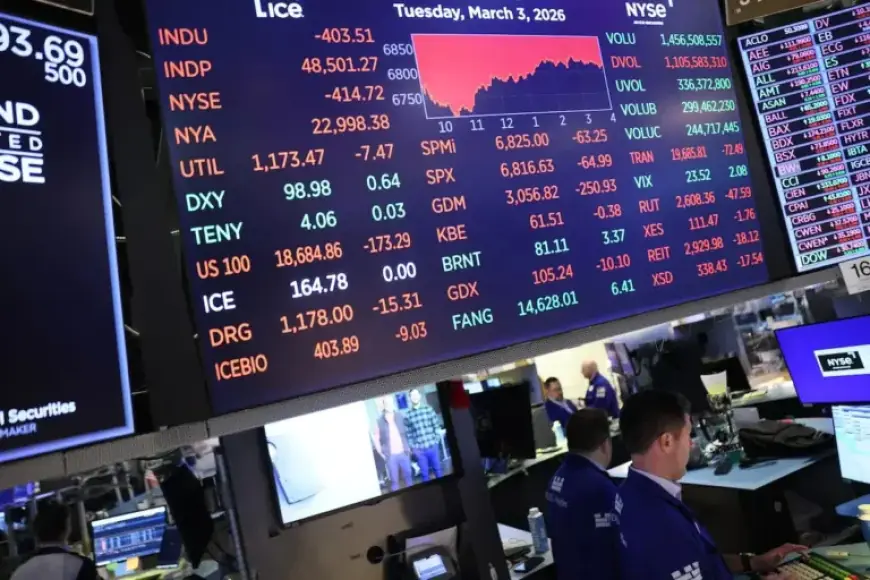
The recent escalation in geopolitical tensions, particularly the U.S. and Israeli attacks on Iran, has significantly impacted global markets. This conflict, which began on February 28, led to fluctuations in oil prices and affected investor sentiment. Benchmark crude prices soared to nearly $120 per barrel before experiencing a sharp drop.
Market Response to Geopolitical Events
The chaos surrounding the conflict has brought historical volatility back to the financial markets. U.S. stock volatility has risen to levels not seen in over ten months, while traditional safe havens like gold and U.S. Treasuries have also faced a shift in demand.
Current Market Conditions
- The S&P 500 and Canadian S&P/TSX Composite Index were approximately 3 to 4 percent below recent highs as of Wednesday.
- Market analysts suggest that further declines may occur, influenced by high energy prices and uncertainties in the Middle East.
- A survey by S&P Global reported U.S. investor risk appetite is at its lowest since September 2025.
Investment Strategies During Market Volatility
Advisors emphasize that timing the market during periods of geopolitical unrest is challenging. Mark Lotocky, a financial planner, suggests investors should focus on deploying cash rather than attempting to pinpoint market lows. He notes that historical data does not support the idea of waiting before investing.
Consistency Over Market Timing
Dan Bortolotti, a portfolio manager, stresses the importance of adhering to a systematic investment approach. He asserts that consistent investing is more beneficial than frequently adjusting strategies based on market fluctuations. It is crucial for investors to avoid overreacting to market volatility.
Rebalancing Investment Portfolios
Significant shifts in asset values present opportunities for portfolio rebalancing. Investors can align their asset allocations with established targets through careful adjustments. Market experts suggest limiting rebalancing to once a year, as frequent changes may not yield advantages.
Guidelines for Rebalancing
- Set a threshold for when to rebalance, typically around five percentage points.
- Regular contributions to investment accounts can naturally keep portfolios aligned with target allocations.
- Consider waiting to rebalance until asset weights shift significantly from predetermined thresholds.
In conclusion, as conflict in the Middle East unfolds and market conditions remain unpredictable, adhering to an automated and disciplined investment strategy is vital. The aim should not be to chase maximum returns, but to manage risk effectively.
Ultimately, investors are encouraged to “set it and forget it.” This approach allows individuals to enjoy life while maintaining a stable investment strategy during turbulent times. For more insights on navigating financial markets during crises, visit Filmogaz.com.