Donald Trump’s Waiver Talk and the Jones Act’s Toll on Energy Prices

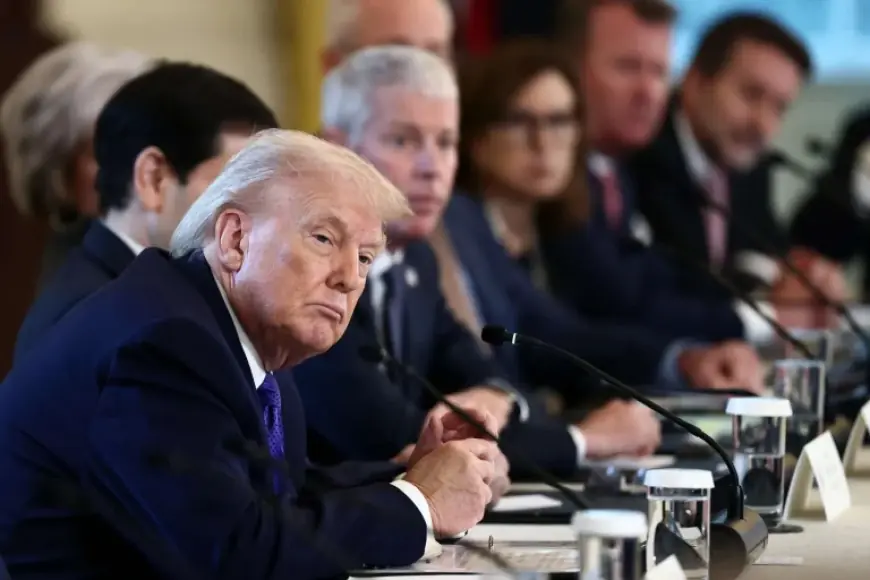
President Donald Trump is weighing a temporary suspension of the jones act as oil and gas prices climb after the recent escalation with Iran and disruptions through the Strait of Hormuz. The move is presented as a short-term fix for rising costs; critics in think tanks and local authorities say the long-term answer is repeal or broad reform.
Alaska shipments and the jones act bottleneck
The Merchant Marine Act of 1920 sets the rule that cargo moved between U. S. ports must be carried on U. S. -built, -owned and -crewed vessels. That requirement shapes how oil pumped in Alaska reaches the mainland, because only a small subset of vessels qualify to move that cargo. As a result, officials and analysts say transporting domestic oil and natural gas can be more difficult and more expensive for Americans.
U. S. capacity is narrow. In 2024 there were 92 Jones Act–compliant ships that could carry oceangoing cargo, while 185 ships were U. S. -flagged that year overall. Ninety-three of those flagged vessels were foreign-built and therefore cannot move cargo between U. S. ports. Shipbuilding costs also matter: those vessels can cost up to five times more than equivalent foreign-built ships, a point raised by policy analysts examining shipyard trends.
Donald Trump considers a Jones Act waiver in response
Faced with higher energy prices and a squeezed shipping market, Donald Trump has been considering options that include intervening in oil futures markets, waiving some federal taxes and lifting Jones Act requirements. Presidents can and have suspended enforcement in crises. For example, after Hurricane Fiona in 2022 a waiver allowed a tanker carrying 300, 000 gallons of diesel to dock in Puerto Rico, and after Hurricane Maria in 2017 a waiver lasted 10 days.
Brent crude briefly surged to $119. 50 per barrel on Monday, reflecting the market disruption tied to the closure of the Strait of Hormuz in recent fighting. That spike — and continued volatility in gasoline prices — is the immediate pressure driving talk of temporary relief measures for shipping rules.
Puerto Rico precedent and Cato Institute analysis
Puerto Rico has become a frequent example in the debate. The island’s post-storm waivers show that short-term suspensions are possible, but they also underline the deeper question some analysts raise: why keep a law that limits domestic shipping options when the domestic fleet has shrunk? The Cato Institute has noted that the law’s stated goal was to ensure shipbuilding capacity and a merchant marine ready in emergencies, but U. S. shipyards have declined for decades.
Other organizations have tallied the composition of the fleet. Oil tankers accounted for 55 of the 92 Jones Act ships in one count, and a 2014 task force concluded that the Jones Act was a major reason Hawaii depends heavily on foreign oil because domestic transport on Jones Act tankers is costly. Those details feed calls from some quarters for repeal or substantive reform, and there is legislation pending in Congress that would change the law’s restrictions.
For now, Donald Trump is weighing a waiver as a quick response to the energy shock, and the next confirmed development in the record is movement on legislation in Congress that would reform the law. The argument for repeal is framed in concrete terms here: fewer qualified ships, higher costs for domestic transport, and a sequence of short-term waivers after hurricanes that illustrate both the law’s rigidity and the ways presidents have loosened it in crisis.